Summary
The United States military has carried out airstrikes against Iran for the 10th night in a row. The goal is to reopen the Strait of Hormuz, a key waterway for global oil shipments. The fighting has led to more American deaths and attacks on U.S. allies. At the same time, there are small signs of hope for peace, as Iran's interior minister traveled to Pakistan for talks.
Main Impact
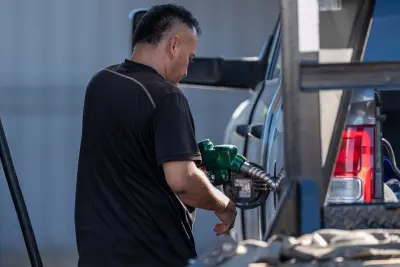
The ongoing U.S. airstrikes are part of a push to stop Iran from blocking the Strait of Hormuz. This waterway is vital for moving oil around the world. The conflict has already pushed oil prices higher, with Brent crude trading above $88 a barrel and U.S. gasoline averaging $4 a gallon. The fighting has also spread to other areas, with Iran launching attacks on Kuwait, Jordan, and Bahrain. A new threat emerged when Iran-backed Houthi rebels in Yemen said they would block Saudi shipping in the Red Sea, which could further disrupt global energy supplies.
Key Details
What Happened
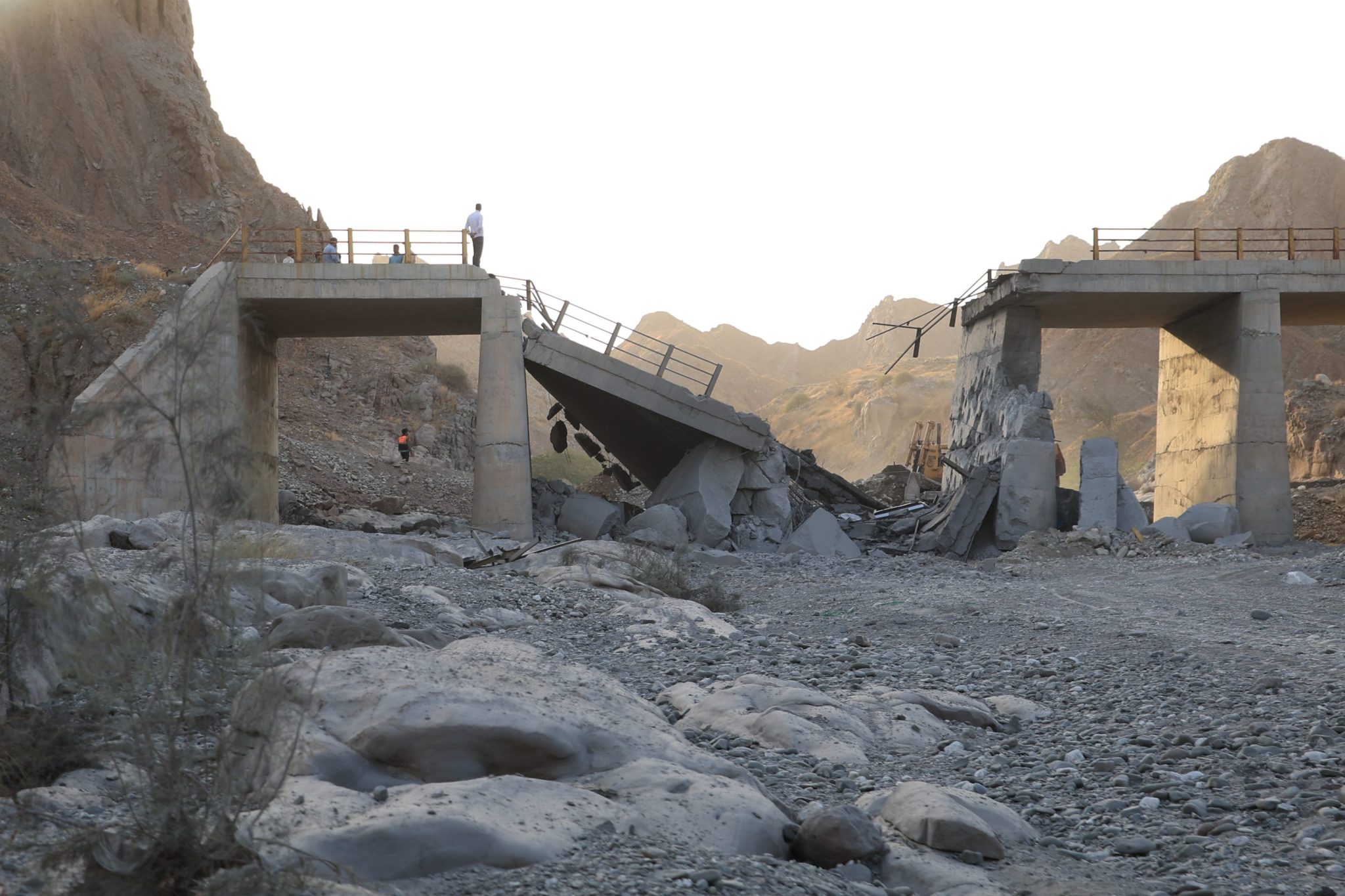
The U.S. military said the latest strikes targeted Iranian military command centers, air defense systems, coastal surveillance sites, and missile and drone launch sites. The strikes also hit maritime capabilities and communication networks. Last week, the U.S. bombed bridges and a tower at an Iranian port. Iran's state-run news agency reported that at least one person was killed near the city of Tabriz, which is believed to house underground missile bases.
Important Numbers and Facts
Since the war began on February 28, 17 U.S. service members have been killed. Two American soldiers died in attacks in Jordan, and another was killed in Iraq during the controlled explosion of a downed Iranian drone. Iran says at least 50 people have been killed and 517 wounded in the latest U.S. strikes. The British military reported that two ships were attacked in the Strait of Hormuz, with one catching fire and being abandoned by its crew. The U.S. has also reimposed a naval blockade on Iranian ports, redirecting seven ships and disabling one.
Background and Context
The Strait of Hormuz is a narrow waterway between Iran and Oman. Before the war, about one-fifth of the world's oil supplies passed through it. The conflict started after an interim peace deal signed last month fell apart. Both sides have since targeted each other's military sites and civilian infrastructure. The U.S. has threatened to hit Iran's power stations and bridges to force Tehran to reopen the strait. Meanwhile, Iran has attacked U.S. allies in the region, including Kuwait, Jordan, and Bahrain, which hosts the U.S. Navy's 5th Fleet.
Public or Industry Reaction
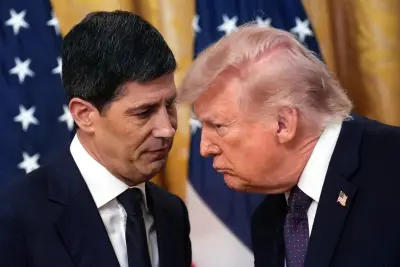
The escalation has pushed oil prices higher, affecting consumers worldwide. In the U.S., gasoline prices have climbed to an average of $4 a gallon, putting pressure on Americans' wallets ahead of midterm elections. President Donald Trump warned on social media that "Every time Iran kills an American Soldier they will pay for that killing many times over!" He planned to attend a ceremony at Dover Air Force Base for the return of a service member's remains. Bahrain's Foreign Ministry condemned Iranian drone strikes targeting the country's air traffic systems, saying they endanger civilians. There was no immediate response from Saudi Arabia to the Houthi threat.
What This Means Going Forward
The conflict shows no signs of slowing down, with both sides continuing to attack military and civilian targets. The Houthi threat to block Saudi shipping in the Red Sea could create a new crisis for global energy markets. However, there are glimmers of hope on the diplomatic front. Iran's interior minister traveled to Pakistan for talks, and Pakistan's interior minister expressed optimism about finding a solution. U.S. Secretary of State Marco Rubio said the U.S. is still open to negotiating with Iran, but only if the talks are serious. The next steps will depend on whether both sides are willing to return to the negotiating table or continue the cycle of violence.
Final Take
The U.S. and Iran are locked in a dangerous cycle of attacks and retaliation that threatens global energy supplies and regional stability. While diplomatic efforts are underway, the path to peace remains uncertain. The coming days will be critical in determining whether the conflict escalates further or if a new ceasefire can be reached.
Frequently Asked Questions
Why is the Strait of Hormuz important?
The Strait of Hormuz is a narrow waterway between Iran and Oman. Before the war, about one-fifth of the world's oil supplies passed through it. Blocking the strait can disrupt global energy markets and push up oil prices.
What are the Houthi rebels threatening to do?
The Houthi rebels in Yemen, who are backed by Iran, have announced a maritime embargo against Saudi Arabia. They plan to block shipping between the Red Sea and the Gulf of Aden, which could disrupt an alternate route for oil exports.
Is there any hope for peace?
Yes, there are small signs of hope. Iran's interior minister traveled to Pakistan for talks, and Pakistan's interior minister expressed optimism. U.S. Secretary of State Marco Rubio also said the U.S. is open to negotiating with Iran, but only if the talks are serious.