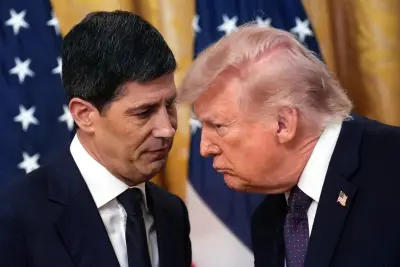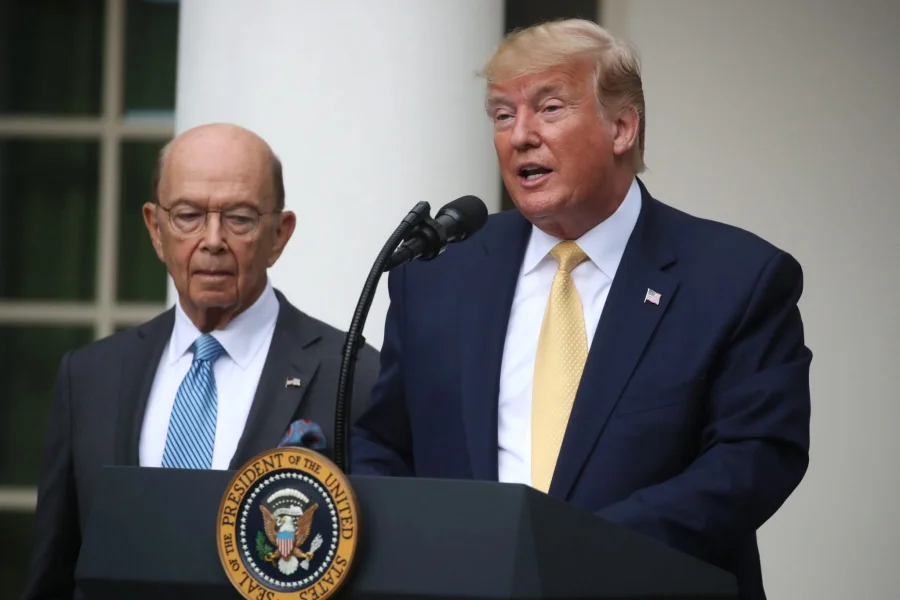
President Donald Trump is trapped in a political no-win scenario over Iran, and the clock is ticking toward the midterm elections. That’s the blunt assessment from his own former commerce secretary, Wilbur Ross.
The Catch-22 That Could Define Trump’s Second Term
Speaking exclusively to Fortune, Ross described a conflict that has not gone "fantastically well" for either the United States or Iran. Trump, who had hoped to negotiate a final deal over the strategic Strait of Hormuz, has been unable to reach one. Meanwhile, Iran’s military and economic infrastructure have been reduced to rubble.
But the real battle, Ross suggests, is political—and it’s being fought on a timeline both sides understand: the midterms.
Why the Midterm Clock Changes Everything for Trump
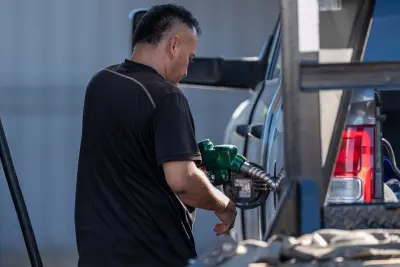
For Trump, the Middle East conflict needs to reach a palatable point for voters before November. If it drags on, the economic consequences—particularly rising inflation—could become a central campaign issue. Voters angry about higher prices at the pump and in grocery stores may punish the president and his party at the ballot box.
For Iran, the strategy is the opposite: make life difficult for the Oval Office and wait out the president, hoping he loses some of his political firepower after the midterms. It’s a high-stakes game of endurance.
The Impossible Choice: Inflation Fury vs. Weakness on the World Stage
Ross’s analysis frames Trump’s dilemma as a classic catch-22. If he continues the conflict, he risks a voter backlash over inflation. If he withdraws, he looks weak—a label that could haunt him in future negotiations with other adversaries, including China and Russia.
Either option carries significant political risk. There is no clean exit.
Who Is Affected by This Standoff
American consumers are already feeling the pinch. A prolonged conflict in the Strait of Hormuz—a critical chokepoint for global oil shipments—drives up energy prices, which in turn fuels broader inflation. For Iranian civilians, the destruction of economic infrastructure means a deepening humanitarian crisis, though that aspect has received less attention in U.S. political discourse.
What Wilbur Ross Actually Said
Ross, who served as commerce secretary during Trump’s first term, did not mince words. He described the conflict as a "war" that is not going well for either side. He pointed to the midterm elections as the key variable shaping both U.S. and Iranian strategy. His comments carry weight because of his insider perspective on Trump’s decision-making process.
Why This Conflict Has Stalled
Trump had campaigned on ending foreign entanglements, but the Iran situation has proven more intractable than anticipated. Negotiations over the Strait of Hormuz—a vital waterway for oil tankers—have broken down repeatedly. Iran’s leadership, facing its own domestic pressures, has shown little willingness to compromise.
Confirmed Facts vs What Remains Unclear
Confirmed: Wilbur Ross made these statements to Fortune. The U.S.-Iran conflict has caused significant damage to Iranian infrastructure. The midterm elections are a key factor in both sides’ calculations.
Unclear: The exact status of any ongoing negotiations. Whether Trump has a specific timeline for withdrawal or escalation. The full extent of economic damage to Iran.
Risks and Balanced View
Critics of Ross’s analysis might argue that Trump could still find a diplomatic off-ramp before November, or that inflation concerns are overstated. Others point out that appearing weak on Iran could embolden other adversaries. The reality is that both options carry real political costs, and there is no obvious third way.
Wider Pattern: The Midterm Curse of Foreign Conflicts
This is not the first time a U.S. president has faced a foreign policy dilemma tied to an election calendar. From Vietnam to Iraq, the midterms have often forced difficult choices: escalate and risk domestic backlash, or de-escalate and risk appearing weak. Trump’s Iran problem fits a long historical pattern.
What Voters and Investors Should Watch For
For voters, the key indicator will be any shift in Trump’s rhetoric or policy on Iran in the coming weeks. A sudden push for negotiations could signal a desire to de-escalate before November. For investors, oil prices and inflation data will be the most immediate barometers of how the conflict is affecting the economy.
What Could Happen Next
If Trump chooses to escalate, expect higher oil prices and sharper inflation. If he withdraws, expect criticism from hawks and potential emboldening of Iran. The most likely scenario, according to Ross’s framing, is a messy middle: continued low-level conflict that neither side can win, with both hoping the other blinks first after the midterms.
Our Take
Wilbur Ross’s assessment is a rare moment of candor from a former insider. It reveals a president trapped by his own campaign promises and the brutal logic of the electoral calendar. The Iran conflict is no longer just a military or diplomatic problem—it is a political time bomb. And the midterms are the countdown.
Frequently Asked Questions
What is the catch-22 Trump faces on Iran?
According to former Commerce Secretary Wilbur Ross, Trump must either continue the conflict and risk voter anger over inflation, or withdraw and appear weak on the global stage. Both options carry significant political risk ahead of the midterm elections.
Why are the midterms important for the Iran conflict?
The midterm elections create a deadline for Trump to reach a politically acceptable outcome. Iran is betting it can wait out the president and hope he loses political power after November.
What did Wilbur Ross say about the U.S.-Iran situation?
Ross told Fortune that the conflict is not going well for either side, and that both the U.S. and Iran are aware of the midterm timeline. He described Trump’s dilemma as a no-win scenario.
How does the Iran conflict affect American consumers?
The conflict threatens oil shipments through the Strait of Hormuz, which can drive up energy prices and contribute to broader inflation. This could become a major political issue in the midterm elections.