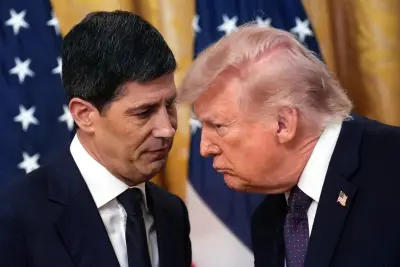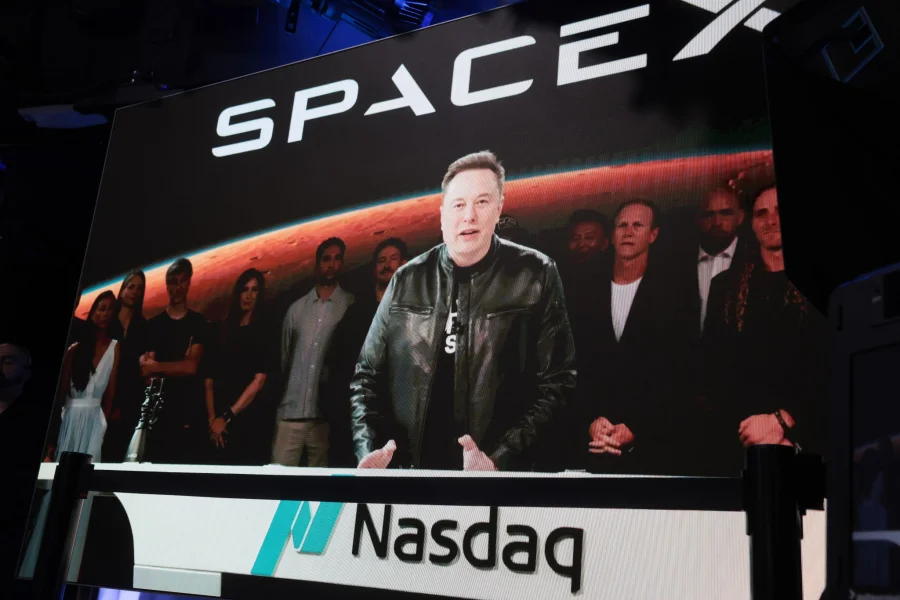
On Tesla’s Q2 earnings call on July 22, an analyst asked Elon Musk the question that has quietly dominated boardroom chatter: Is SpaceX planning to buy Tesla? Musk’s reply—part evasion, part endorsement—has only deepened the mystery. “We can’t talk about combining companies on an earnings call. It’s got to be done with the appropriate process,” he said. Then he promptly outlined why a union might make sense.
The synergy Musk dared to describe
Musk pointed to the “Digital Optimus” humanoid office worker project as one example of growing overlap. The robot, he said, is powered by the Grok AI chatbot—a SpaceX–Tesla joint venture. He noted collaborations “on so many fronts,” including battery tech for Starship and autonomous driving algorithms for Mars rovers. The message was clear: separation is inefficient.
Why the window may already be closing
Regulatory scrutiny is the biggest barrier. Any acquisition of Tesla—a public company—by SpaceX, which is private but heavily tied to Pentagon contracts, would trigger reviews from the SEC, FTC, and possibly CFIUS. Tesla’s market capitalisation, at roughly $750 billion, dwarfs SpaceX’s estimated $150–200 billion valuation. A stock swap or leveraged buyout would require financing that may no longer be viable given rising interest rates and tighter antitrust enforcement under the current administration.
What stakeholders are watching
Tesla shareholders worry about dilution and corporate governance. SpaceX investors—including funds like Fidelity and a16z—fear being saddled with Tesla’s cyclical automotive earnings. “The governance structures of the two companies are fundamentally different,” said a corporate lawyer who advised on previous Musk deals. “Musk controls them both, but minority holders have very different rights.”
Musk’s cryptic answer does not kill the deal—yet
By refusing to deny the plan, Musk has kept the door ajar. Securities lawyers note that the SEC prohibits “material, non-public information” about mergers being disclosed selectively on earnings calls. “His answer was legally correct but strategically revealing,” said a former SEC attorney. “He could have said ‘no.’ He didn’t.”
Confirmed Facts vs What Remains Unclear
Confirmed: Musk was asked about SpaceX buying Tesla; he did not deny it; he listed synergies. The call was public.
Unclear: Whether any formal talks have occurred; whether SpaceX has financing; whether Tesla’s board has been consulted. No SEC filing exists. All speculation comes from analysts interpreting Musk’s words.
The strategic logic—and the risks
Combining Tesla’s battery expertise, AI talent, and manufacturing capacity with SpaceX’s space infrastructure and Starlink revenue could create an unprecedented vertical monopoly. Yet the regulatory costs and time delays may outweigh the benefits. “The longer Musk waits, the more regulators will prepare,” said a merger arbitrage specialist. “If he wanted to move, the right window was 2024.”
Wider pattern of Musk-controlled tie-ups
Musk has long blurred lines between his companies—sharing engineers, patents, and even office space. The SpaceX–Tesla alliance mirrors his integration of Twitter (now X) with xAI. Analysts see a pattern: Musk prefers informal control over formal mergers, partly to avoid regulatory pushback.
What investors and employees should do now
Tesla shareholders should monitor for any 13D filings or board resolutions. SpaceX employees with equity should understand that a merger could change their stock’s liquidity timeline. For now, no action is required—but transparency is unlikely until Musk is forced to disclose.
Future outlook: deal or no deal?
Most analysts give a merger less than a 30% chance. The combination is plausible but not probable. Expect more hints in coming earnings calls, but any formal move would require months of legal and financial preparation. By then, the window—already narrow—may have closed.
Our Take
Musk’s carefully calibrated non-denial is the story. He knows that a formal deal is nearly impossible under current conditions, but his tease keeps both companies in the spotlight and tests public and regulatory appetite. This is not a merger announcement—it is a negotiation tactic played out in public. The real question is whether he has already missed the moment when such a deal could be done quietly.
Frequently Asked Questions
Is SpaceX planning to buy Tesla?
Elon Musk did not confirm or deny this when asked on Tesla’s Q2 earnings call. He stated that combining companies cannot be discussed on an earnings call, then praised synergies between the two. No formal plan has been announced.
Why would SpaceX want to buy Tesla?
Musk cited overlapping technologies: Tesla’s batteries, AI, and manufacturing could boost SpaceX’s Starship and Starlink operations. The Digital Optimus robot (Grok-powered) is a joint venture example.
What are the main obstacles to a SpaceX-Tesla merger?
Regulatory hurdles (SEC, FTC, CFIUS), valuation mismatch (Tesla is much larger than SpaceX), and governance differences. Minority shareholders in both companies could also resist.
Could a merger still happen in 2025?
Possible but unlikely. Most analysts assign under 30% probability. The window is narrowing due to regulatory attention and financial complexity.