The phone rang on June 12, and financial advisor Jeff Barnett knew exactly what his client wanted. SpaceX had just gone public at a staggering $2 trillion valuation. Had Barnett bought any shares for the portfolio? The answer was no—SpaceX didn’t come close to the client’s preset criteria on valuation and governance.
The client listened. Then came the question that sums up the mood of this summer’s market: “Can we just buy 10 shares?”
Barnett got it done. He likens it to buying a lottery ticket when the jackpot hits $1 billion. You know the odds are slim, but a small bet buys a share of the buzz—and scratches that deep-down what-if itch—without jeopardizing your portfolio.
The Fear That’s Driving the Market Right Now
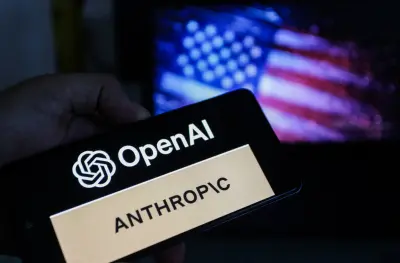
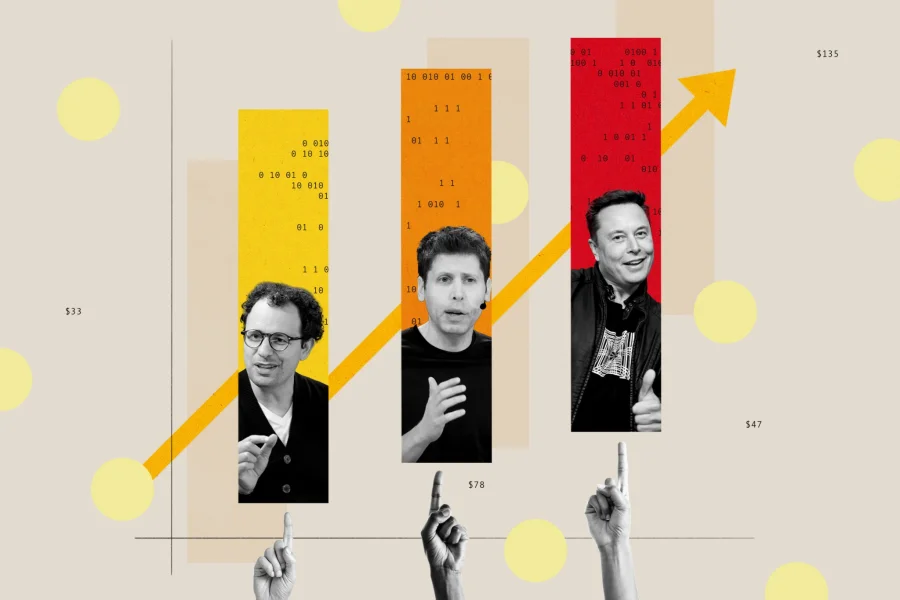
The fear of missing an on-ramp to the next generation of world-changing companies is the most expensive force in the market this summer. Investors are calling a new trio the “Magnificent Three”: SpaceX, Anthropic, and eventually OpenAI.
SpaceX’s debut has already proven that the appetite for high-risk, high-reward bets is enormous. Now, attention is shifting to the AI frontier. Anthropic, the AI safety company behind Claude, and OpenAI, the creator of ChatGPT, are widely seen as the next candidates for trillion-dollar valuations.
Why Anthropic and OpenAI Are on Every Investor’s Radar
Anthropic has raised billions from investors including Google and Salesforce, positioning itself as a safer, more ethical alternative in the AI race. OpenAI, meanwhile, has already transformed the tech landscape with ChatGPT and is reportedly targeting a valuation north of $1 trillion in its next funding round.
For retail investors, the problem is access. Both companies remain private, and their shares are not easily available on public markets. But the buzz is real, and the FOMO is palpable.
The Human Side of FOMO: What Investors Are Really Feeling
Barnett’s client is not alone. Across the country, investors are wrestling with the same question: How do I get in on the next big thing without making a reckless bet?
The emotional pull is powerful. Watching SpaceX soar while sitting on the sidelines feels like missing a generational opportunity. But market experts warn that chasing hype without a strategy is a recipe for regret.
What Market Experts Are Saying About the Next Trillion-Dollar IPO
Financial advisors are urging caution. The key, they say, is to treat these bets as lottery tickets—not core portfolio holdings. Allocate only a small, risk-tolerant portion of capital to high-growth private companies or pre-IPO opportunities.
“You don’t want to bet the farm on a single company, no matter how exciting it seems,” one advisor noted. “The goal is to participate in the upside without exposing yourself to catastrophic loss.”
How to Play the Next Trillion-Dollar IPO: A Practical Guide
For investors eyeing Anthropic or OpenAI, experts recommend a few strategies:
- Use pre-IPO platforms like EquityZen or Forge Global to access private shares, but be prepared for high fees and illiquidity.
- Invest in venture capital funds or ETFs that hold stakes in AI startups, such as the ARK Innovation ETF.
- Set a strict allocation limit—no more than 5% of your portfolio for high-risk bets.
- Ignore the noise. The next trillion-dollar IPO may not happen for years, and many hyped companies fail to deliver.
Confirmed Facts vs What Remains Unclear
Confirmed: SpaceX went public on June 12 at a $2 trillion valuation. Financial advisor Jeff Barnett confirmed a client requested and purchased 10 shares despite the company not meeting preset criteria. Investors are now focusing on Anthropic and OpenAI as the next potential trillion-dollar IPOs.
Unclear: The exact timeline for Anthropic or OpenAI’s public debut. Whether retail investors will have meaningful access to shares. The actual valuation these companies will command at IPO.
Risks and Balanced View
Not everyone is bullish. Critics argue that the hype around AI companies is overblown, and that valuations are disconnected from fundamentals. Anthropic and OpenAI face regulatory scrutiny, competition, and the risk that AI adoption slows down.
“The Magnificent Three could just as easily become the Magnificent Zero if the AI bubble bursts,” one analyst warned. Investors should be prepared for volatility and the possibility of total loss.
Wider Trend: The Rise of the Hype-Driven IPO
SpaceX’s debut is part of a broader pattern: companies with massive brand recognition and transformative technology are commanding unprecedented valuations. From Tesla to Nvidia, the market has shown it is willing to pay a premium for a piece of the future. But history also shows that early hype doesn’t always translate into long-term returns.
Practical Reader Guidance: What Should You Do Now?
If you’re tempted to chase the next trillion-dollar IPO, start by asking yourself: Can I afford to lose this money? If the answer is no, don’t invest. If yes, limit your exposure to a small, speculative allocation. Focus on building a diversified portfolio first, and treat high-risk bets as a bonus—not a foundation.
Future Outlook: What Could Happen Next
Anthropic and OpenAI are both expected to go public within the next 2–5 years, barring regulatory hurdles or market downturns. Their IPOs could rival or even surpass SpaceX’s debut in terms of investor frenzy. But the path is uncertain, and patience will be key.
Our Take
SpaceX’s $2 trillion debut is a reminder that the market’s appetite for transformative companies is insatiable. But it’s also a warning: FOMO is a powerful, expensive emotion. The smartest play for most investors is not to chase the next big thing, but to build a disciplined strategy that allows for small, calculated bets on the future—without betting the house.
Frequently Asked Questions
How can I invest in Anthropic or OpenAI before they go public?
Retail investors can access private shares through pre-IPO platforms like EquityZen or Forge Global, or invest in venture capital funds that hold stakes in these companies. However, these options come with high fees, illiquidity, and no guarantee of returns.
What is the “Magnificent Three” in investing?
The term refers to SpaceX, Anthropic, and OpenAI—three private companies that investors believe could become trillion-dollar public companies. They represent the next generation of transformative technology in space and AI.
Is it risky to invest in pre-IPO companies like Anthropic?
Yes. Pre-IPO investments are highly speculative, illiquid, and carry the risk of total loss. Experts recommend allocating no more than 5% of your portfolio to such bets and treating them as lottery tickets rather than core holdings.
What should I do if I’m feeling FOMO about the next big IPO?
Pause and assess your financial goals. If you have a diversified portfolio and can afford to lose a small amount, consider a tiny speculative bet. Otherwise, focus on long-term, low-cost index funds and avoid making emotional decisions based on hype.