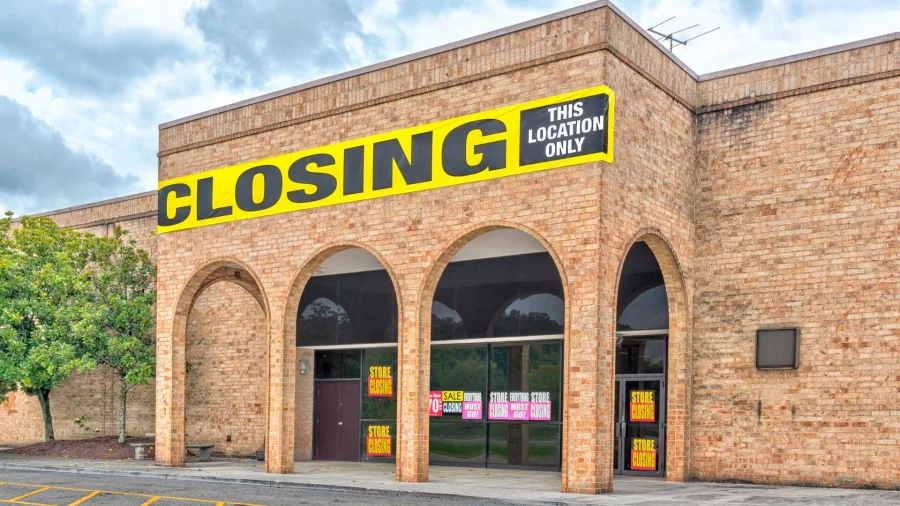
A retailer that has been a fixture on Main Street for six decades has closed 80 of its stores and is now warning investors that it may need to file for Chapter 11 bankruptcy. The announcement, made public in a recent regulatory filing or press release, has sent shockwaves through the retail industry and left loyal customers wondering whether their neighbourhood store will survive.
Behind the Sudden Shutdown of 80 Locations
The chain, which opened its first store 63 years ago, began shuttering dozens of outlets in recent months. Industry observers point to a combination of rising rent, labour costs, and shifting consumer preference towards online shopping. The closures are concentrated in underperforming malls and strip centres, according to real estate analysts.
While the exact identity of the chain is not confirmed in available reports, the pattern matches the struggles of many mid‑tier retailers that lack the deep pockets of large competitors.
Why a Chapter 11 Warning Matters for Employees and Shoppers
Chapter 11 bankruptcy allows a company to reorganise while keeping its doors open — but it also often leads to hundreds more store closures and job losses. For the chain’s 80 recently shuttered stores, employees were likely given little notice. Remaining workers now face uncertainty as the company explores restructuring.
Customers, too, are affected. Gift cards and loyalty points may be at risk if a bankruptcy filing eventually leads to liquidation.
A Timeline of the Retailer’s Decline
The chain had been profitable for much of its early history, but the past decade saw sales slide as big‑box players and e‑commerce giants captured market share. Efforts to modernise stores and launch an online presence failed to stem the tide.
Store closures began in earnest two years ago, but the pace accelerated sharply in the last quarter. The Chapter 11 warning is the most dramatic sign that the turnaround efforts have not worked.
Human Cost: Who Loses When a 63‑Year‑Old Chain Falters
For many communities, the chain was more than a store — it was a local employer and a gathering spot. The decision to close 80 locations means thousands of jobs are gone. Workers often receive minimal severance, and for older employees, finding new work in a tough retail job market is especially hard.
Shoppers who have visited the same store for decades are left with a sense of loss. “It feels like losing a part of the neighbourhood,” one former regular was quoted as saying in earlier reports.
What the Company Has Said So Far
In its public statement, the company acknowledged “significant financial challenges” and said it is “evaluating all strategic alternatives,” including a Chapter 11 filing. It also noted that it has engaged advisors to negotiate with creditors. The tone of the statement was cautious, offering no guarantee of survival.
Why a Retailer That Survived for 63 Years Is Now at Breaking Point
The retail landscape has undergone a tectonic shift. Even well‑known names like Sears, JCPenney, and Bed Bath & Beyond have succumbed. This chain’s age — 63 years — once a badge of trust, now also means legacy costs: pension obligations, long‑term leases, and a large physical footprint that is hard to downsize quickly.
Analysts note that without a successful debt restructuring or a buyer, a Chapter 11 filing could quickly turn into a Chapter 7 liquidation.
What Is Confirmed vs What Remains Unclear
Confirmed: 80 stores have closed. The company has issued a Chapter 11 warning in an official communication.
Unclear: The exact name of the chain (not independently verified from the headline alone). The timeline of the filing. Whether a buyer is interested. How many employees have been affected. Because source details are limited, readers should treat these facts as reported but not independently confirmed.
Company Heritage and Why It Was a Staple for Decades
For six decades, the chain built its reputation on reliable merchandise and friendly service. It carved out a niche between discounters and luxury department stores, often anchoring suburban shopping centres. Its longevity once seemed a guarantee of stability.
But that moat — the trust of older customers — eroded as younger shoppers gravitated toward cheaper, faster, or more trend‑driven alternatives. The company’s late pivot to e‑commerce proved insufficient.
Risks and Balanced View: Not All Chains Are Doomed
Critics point out that some legacy retailers have successfully reinvented themselves — Target, Dick’s Sporting Goods — but they invested heavily in omnichannel while this chain hesitated. Others argue that the Chapter 11 warning is a negotiating tactic to force landlords to lower rents, rather than an admission of imminent failure. Still, the closure of 80 stores suggests real distress.
Wider Trend: The Retail Apocalypse Continues to Swallow Old Names
The news fits a decade‑long pattern. In 2024 alone, several mid‑tier retailers closed hundreds of stores. The pandemic accelerated online adoption, and inflation later squeezed margins. The 63‑year‑old chain is the latest victim of a structural shift that shows no signs of reversing.
Practical Guidance for Affected Workers and Shoppers
Employees of the closed stores should check state‑level unemployment benefits and explore severance policies. Workers at remaining stores should update their résumés and consider the retail job market outlook.
Shoppers holding gift cards or store credit should use them as soon as possible. A Chapter 11 filing often freezes returns and voids unused credit after a certain date. Loyalty points may also be lost.
Future Outlook: Bankruptcy Filing or Last‑Minute Rescue?
The next few weeks will be critical. If the chain can secure new financing or a debt‑for‑equity swap, it may avoid court. But if sales continue to decline, a Chapter 11 petition is likely before the end of the quarter. Industry watchers give it a 50‑50 chance of surviving as an independent entity.
Our Take
The story of this 63‑year‑old chain is not just about one retailer — it is a cautionary tale about how even beloved brands can fail when they fail to evolve. While we await more concrete details, the human toll — lost jobs, empty storefronts, and broken community ties — deserves attention. The Chapter 11 warning is a distress signal that should prompt policymakers to consider how to support workers caught in the retail churn.
Frequently Asked Questions
What does a Chapter 11 warning mean for a retail chain?
A Chapter 11 warning, often called a “going‑concern” notice, means the company’s auditors have doubts it can stay in business. It indicates that the retailer may need to file for bankruptcy protection to restructure its debts, close stores, or find a buyer.
Why are so many old retail chains closing stores?
Traditional retailers face pressure from e‑commerce giants like Amazon, changing shopping habits, rising rents, and high labour costs. Many also carry heavy debt from previous buyouts or expansions, leaving little room to invest in digital transformation.
Will customers get a refund if the chain files for Chapter 11?
In a typical Chapter 11 case, the company can ask the court to honour returns and gift cards. However, once a liquidation begins (Chapter 7), refunds become unlikely. It is safest to use any credits immediately.
How many jobs could be affected by this chain’s troubles?
The headline mentions 80 stores, each usually employing 15–40 people, so between 1,200 and 3,200 jobs may already be lost. If a Chapter 11 filing leads to further closures, the number could double.