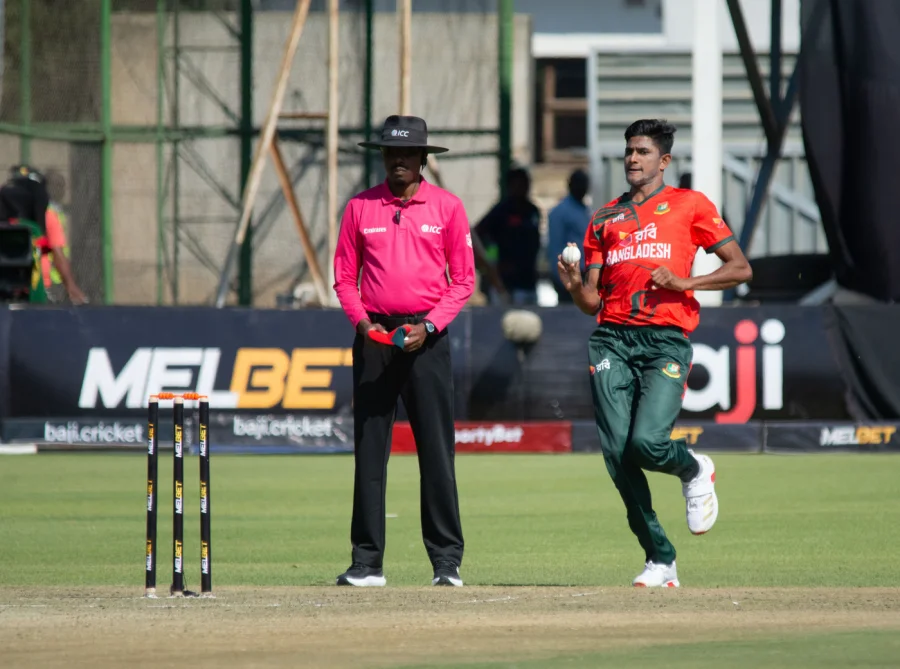
The injury curse has struck Bangladesh once again. Just as the team prepared for a high-stakes tour of Australia, chief selector Gazi Ashraf Hossain Bashar confirmed that pacer Rana will not be part of the squad — a setback he described as “unfortunate”. The side strain has sidelined a key bowling option, leaving the management scrambling for a replacement.
Why Rana’s absence hurts Bangladesh’s pace plans
Rana had been seen as a vital component of Bangladesh’s pace attack, especially on Australian pitches that demand speed and movement. His injury now forces the team to rejig its bowling combination. Bashar, speaking to reporters, said the team had been “extra cautious” with workload management, but injuries remain an occupational hazard, particularly for fast bowlers.
Bashar’s honest admission on fast-bowling fragility
“It’s hard to keep fast bowlers free of injuries,” Bashar remarked. He stressed that even the most careful planning cannot eliminate the risk of side strains and stress-related injuries. The selector’s words reflect a wider problem in Bangladesh cricket: a perennial battle between nurturing pace talent and managing their physical durability.
The context: Bangladesh’s injury record on overseas tours
This is not the first time Bangladesh has lost a pace bowler mid-preparation. Previous tours to South Africa, New Zealand and England have also seen key quicks break down. The recurring pattern raises questions about fitness protocols, bowling loads, and the surface conditions at home that may not fully prepare bowlers for the bounce and pace of Australian tracks.
What this means for the tour
Without Rana, Bangladesh’s pace resources look thinner. The burden will fall on senior bowlers and uncapped replacements. Captain Najmul Hossain Shanto and coach Chandika Hathurusinghe will have to rethink their bowling rotation. For fans, it is a familiar feeling of hope tempered by injury heartbreak — a narrative that has shadowed Bangladesh cricket for years.
Bashar’s response to the setback
While declining to name a replacement immediately, Bashar assured that the selection panel is working on options. He reiterated that the team management had done everything possible to prevent injuries, but “side strains are unpredictable”. The Bangladesh Cricket Board (BCB) is expected to announce a substitute in the coming days.
Analysis: A deeper look at fast-bowler injury patterns
Medical experts say side strains are common among pacers due to the repetitive high-impact action and the torque applied on the torso. Even with ample rest, the risk remains. Bashar’s regret is not just about Rana — it reflects a systemic challenge that teams worldwide face. For Bangladesh, where fast-bowling stocks are limited, every injury hurts more.
Confirmed facts vs what remains unclear
Confirmed: Rana has a side strain; Bashar confirmed he will miss the Australia tour; the team was “extra cautious”; Bashar called it “unfortunate”.
Unclear: The exact grade of the injury; Rana’s timeline for recovery; the name of the replacement; whether Rana was carrying a pre-existing niggle.
Risks and balanced view
Some critics argue that Bangladesh’s injury management is reactive rather than preventive. Others point out that fast bowlers globally suffer similar fates, and no amount of caution can eliminate biomechanical wear and tear. The debate underscores the trade-off between pushing bowlers to perform vs conserving them for longevity.
Wider trend in Bangladesh cricket
Bangladesh’s struggle to keep its pacers fit is part of a broader story. From Mustafizur Rahman’s shoulder issues to Taskin Ahmed’s recurring niggles, the team has rarely enjoyed a full-strength pace attack for consecutive series. This pattern reduces the team’s competitiveness abroad and forces over-reliance on spinners.
Practical guidance for players and fans
For young fast bowlers in Bangladesh, Rana’s case is a reminder to focus on core strength, proper warm-ups, and honest communication with physios. Fans should temper expectations about quick returns from injury — rushing a bowler back often leads to breakdowns. The BCB may also need to invest in bio-mechanical screening and specialised fast-bowling coaches.
Future outlook
Rana’s recovery will determine his availability for subsequent series. The Australia tour itself may see Bangladesh’s pace attack experimenting with newcomers. If the replacement performs well, it could uncover a new talent. But the immediate optics are disappointing — a team already considered underdogs losing a key weapon before a ball is bowled.
Our Take
Bashar’s regret is genuine, but it also reveals a hard truth: Bangladesh has not yet cracked the code on fast-bowler durability. Rana’s absence is not an isolated case — it is a symptom of a deeper structural issue. Until the board combines modern sports science with better domestic pitch preparation, similar disappointments will keep repeating. The Australia tour will now test not just the team’s skill, but its depth and resilience.
Frequently Asked Questions
Why is Rana missing the Australia tour?
Rana suffered a side strain that has ruled him out of the tour. Bangladesh chief selector Bashar confirmed the injury was “unfortunate” despite the team being “extra cautious” with bowler fitness.
Who is Rana in Bangladesh cricket?
Rana is a fast bowler (full name not specified in the statement) who was expected to be part of the pace attack for the Australia tour. No further details were provided by the selector.
How long will Rana be out?
No timeline has been announced. The BCB is yet to issue a medical update on the severity of the side strain or the expected recovery period.
Will Bangladesh replace Rana in the squad?
Yes, Bashar indicated that a replacement will be named soon. The board is evaluating options among domestic pacers.