The Tasalli
Select Language
search
BREAKING NEWS
Business Aug 13, 2026 · min read

Philippines Energy Emergency Demands More Energy Now

When the Strait of Hormuz shut in February, the Philippines discovered just how fragile its energy lifeline really is. A country dependent on the Gulf for 98% o...

Admin

The Tasalli

Philippines Energy Emergency Demands More Energy Now
728 x 90 Header Slot

TL;DR — Quick Summary

The Philippines — which imports 98% of its oil from the Gulf — declared a nationwide energy emergency on March 24 after the U.S.-Iran war shut the Strait of Hormuz. Prime Infra CEO Guillaume Lucci says the fix is "more energy of all sorts," not renewables alone. His message: reliability and affordability can't wait for decarbonization.

Key Facts
Main Update
Prime Infra CEO Guillaume Lucci told Fortune the Philippines needs "more energy of all sorts" to secure supply after the crisis.
Impact
The archipelagic nation imports 98% of its oil from the Gulf, leaving it dangerously exposed when the Strait of Hormuz was shuttered in February.
Official Response
A nationwide energy emergency was declared on March 24; full details of the proclamation remain limited in available reporting.
Current Status
Fuel supply and affordability pressures continue as the conflict disrupts Gulf oil flows.
What Next
Expect policy focus on fuel diversification, faster power project approvals and a pragmatic energy mix, Lucci's argument suggests.
When the Strait of Hormuz shut in February, the Philippines discovered just how fragile its energy lifeline really is. A country dependent on the Gulf for 98% of its oil suddenly faced the nightmare scenario energy planners had warned about for years. Now, with a nationwide energy emergency declared on March 24, the debate over how the Philippines powers itself has moved from boardrooms to every household's electricity bill.
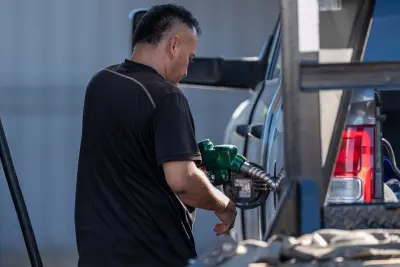

"More energy of all sorts": Lucci's blunt prescription

Guillaume Lucci, CEO of Filipino infrastructure firm Prime Infra, is unsparing about what comes next. "What we need is more energy of all sorts, not only more renewable energy," he told Fortune at the firm's headquarters in Pasay City, Manila. "We don't see energy reliability and affordability as being decoupled from decarbonization, but for now, we need a bit of everything." The engineer-turned-corporate executive's message is clear: the Philippines cannot afford ideological purity in its energy mix while supply is at risk.

Why the Gulf shock hit the Philippines harder than most

The Philippines' dependence on Gulf oil is not a statistic — it's a structural vulnerability. With 98% of its oil imports coming from the region, the archipelago had no cushion when the U.S.-Iran war broke out in February and halting oil flows from the Gulf. Island nations face a second disadvantage: diversifying fuel sources takes time and costly logistics. There are no pipelines from neighbors, no overland routes, no quick alternatives when a chokepoint closes.

The March 24 emergency: what actually changed

On March 24, the government declared a nationwide energy emergency. The move followed weeks of supply disruption and rising fuel costs triggered by the February conflict. The proclamation signaled a shift: energy supply is now being treated as a national-security issue, not merely an economic one. The full scope of emergency measures and their duration, however, remain unclear from available reporting.

What a mixed-energy strategy means for Filipino households and businesses

For ordinary Filipinos, the stakes are immediate — fuel prices, electricity costs, transport affordability. For manufacturers and logistics firms, energy costs are a direct competitive handicap. Lucci's argument reframes the debate in practical terms: who pays when energy policy falls out of step with reality? A pragmatic mix, he suggests, offers the fastest route back to stable supply — and that matters more than any single technology preference right now.

What Lucci's comments mean for Philippine energy policy

Lucci is not an activist or an

Written by

Admin