New York City apartment hunters have long learned to look past flattering camera angles and carefully staged rooms. Now, they may also have to question whether the photos they see are entirely fake — created or altered by artificial intelligence.
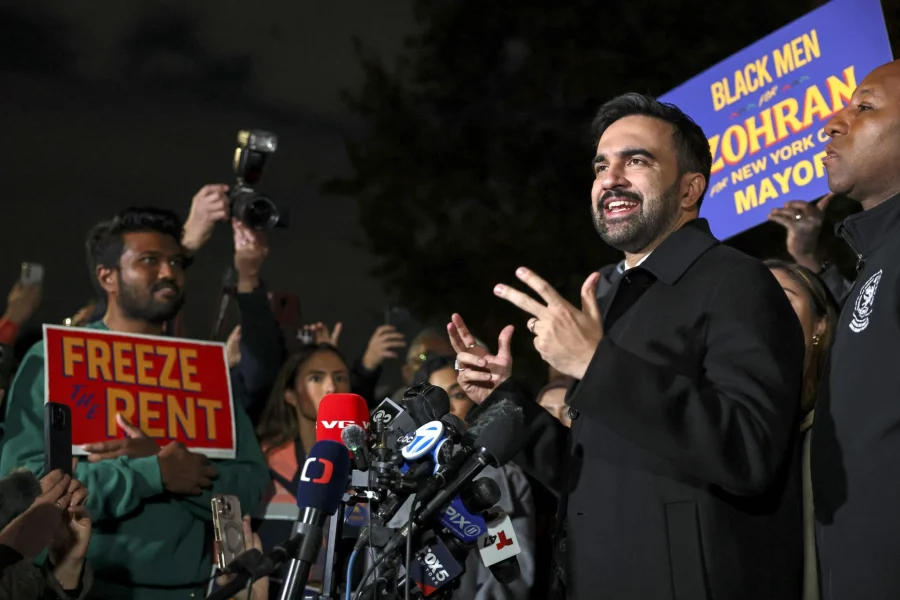
Mayor Zohran Mamdani on July 16 proposed a rule that would require landlords, brokers, and online listing platforms to clearly disclose when rental listing photos or videos have been generated or digitally altered using AI or other digital tools.
Why the crackdown on ‘housefishing’ and ‘real estate slop’
“You shouldn’t have to worry whether or not the apartment you’re viewing online is real,” Mamdani said while announcing the proposal at Manhattan’s Tenement Museum. “After all, it’s called StreetEasy, not StreetHard.”
The mayor’s quip underscores a growing frustration among renters who encounter listings that look nothing like the actual unit. The practice, dubbed “housefishing” — a play on catfishing — involves using heavily edited or AI-generated images to lure prospective tenants. Critics call the broader trend “real estate slop,” referring to low-quality, misleading content flooding listing platforms.
What the new rule would require
Under the proposal, any rental listing photo or video that has been created or significantly altered using AI or digital editing tools must carry a clear disclosure. The rule would apply to landlords, real estate brokers, and major online platforms like StreetEasy, Zillow, and others operating in the city.
The disclosure would need to be visible and unambiguous, allowing renters to immediately know if the images they are viewing have been manipulated. The exact format — such as a watermark, label, or pop-up — has not yet been specified.
How apartment hunting has changed
For years, renters have learned to mentally subtract the effects of wide-angle lenses, professional lighting, and furniture staging. But AI tools now allow sellers to generate entirely new rooms, remove clutter, change wall colors, or even add windows and views that don’t exist.
“It’s one thing to use a fisheye lens to make a room look bigger. It’s another to generate a kitchen that doesn’t exist,” said a housing advocate familiar with the proposal, speaking on condition of anonymity because they were not authorized to comment publicly.
The Rental Ripoff Report: 23 tenant protections
The photo disclosure rule is part of a broader package called the Rental Ripoff Report, which includes 23 tenant-protection initiatives. While the full details of the report have not been released, the package is expected to address other common complaints such as hidden fees, bait-and-switch listings, and misleading amenity claims.
Mamdani’s office said the report was developed after months of consultation with tenant advocacy groups, legal aid organizations, and housing experts.
What remains unclear about the proposal
Several details have not yet been finalized. The city has not specified what qualifies as “significant” alteration versus minor touch-ups like brightness or contrast adjustments. It also remains unclear how the rule would be enforced, what penalties violators would face, and whether it would apply retroactively to existing listings.
Officials said the proposal is still in its early stages and will undergo public comment and legislative review before becoming law.
Risks and concerns from industry
Real estate industry groups have not yet formally responded to the proposal, but some brokers have privately expressed concern that overly broad rules could penalize legitimate uses of digital tools, such as removing temporary clutter or correcting lighting for clarity.
Others worry that the rule could slow down listing processes or create confusion about what constitutes an acceptable edit. “There’s a difference between making a photo look its best and fabricating a reality,” one broker said.
Wider trend: AI deception in consumer markets
The NYC proposal reflects a growing regulatory push against AI-generated deception across multiple sectors. From real estate to travel to e-commerce, regulators are grappling with how to ensure consumers can trust what they see online.
In 2024, the Federal Trade Commission warned about AI-generated product images in online shopping. Similar concerns have emerged in the vacation rental market, where AI-enhanced photos have led to disappointed guests.
What renters should do now
Until the rule takes effect, renters are advised to:
- Request video calls or in-person tours before signing a lease.
- Cross-reference photos with Google Street View or building floor plans.
- Ask brokers directly if images have been altered or AI-generated.
- Report suspicious listings to the city’s Department of Housing Preservation and Development.
Future outlook
If passed, New York City would become one of the first major U.S. cities to mandate AI disclosure in rental listings. The move could set a precedent for other cities grappling with similar issues. However, the proposal faces a long legislative path, and enforcement mechanisms will be critical to its effectiveness.
Our Take
The Mamdani proposal is a sensible response to a problem that has quietly eroded trust in the rental market. While the rule won’t eliminate all deceptive practices, it gives renters a critical tool: the ability to know when they are being shown a fantasy rather than a reality. The real test will be in enforcement and in defining the line between enhancement and deception. For now, the message is clear — if it looks too good to be true, it might be AI.
Frequently Asked Questions
What is ‘housefishing’ in real estate?
Housefishing is a term for deceptive rental listings where photos are heavily edited, staged, or AI-generated to make an apartment look far better than it actually is. It’s a play on “catfishing,” where someone uses a fake online identity.
What does the NYC rental photo disclosure rule require?
The proposed rule would require landlords, brokers, and listing platforms to clearly disclose when rental photos or videos have been created or significantly altered using AI or digital editing tools. The disclosure must be visible to renters before they view the listing.
When will the rule take effect?
The proposal is still in its early stages. It must go through public comment and legislative review before becoming law. No timeline has been announced.
Will the rule apply to platforms like StreetEasy?
Yes. The rule would apply to all online listing platforms operating in New York City, including StreetEasy, Zillow, and others, as well as individual landlords and brokers.