Summary
Olympic legend Sir Mo Farah has shared a powerful message for young people who feel discouraged by today’s tough job market. Many members of Gen Z are currently struggling with unemployment and fear that technology like AI will make it even harder to find work. Farah, who won four Olympic gold medals, says that while life can be unfair, individuals must take charge of their own futures. He shared his own traumatic past as a victim of child trafficking to show that it is possible to succeed even when the odds are against you.
Main Impact
The main impact of Farah’s message is a call for personal responsibility and mental strength. He argues that while young people cannot control the global economy or the rise of robots in the workplace, they can control their own effort and how they react to failure. By sharing his story, he aims to shift the conversation from feeling like a victim to finding ways to move forward. His advice suggests that success is not about having a perfect start, but about how hard a person is willing to work and learn every single day.
Key Details
What Happened
During a recent talk at a major tech event, Mo Farah spoke openly about his difficult childhood. He revealed that he was not born with the name Mo Farah. His birth name was Hussein Abdi Kahin, and he grew up in Somaliland. After his father died in a war, he was separated from his family. At just nine years old, a woman he did not know took him to the United Kingdom using fake papers. Once there, he was forced to work as a domestic servant, doing chores like cooking, cleaning, and caring for children. He was a child trafficking victim who had no control over his life at the time.
His life changed when he finally told a physical education teacher at school about his situation. The teacher helped him get away from his captors, assisted him in getting British citizenship, and encouraged his talent for running. By the time he was 14, he was already running for England. He eventually became the most successful track athlete in the history of the British Olympic team.
Important Numbers and Facts
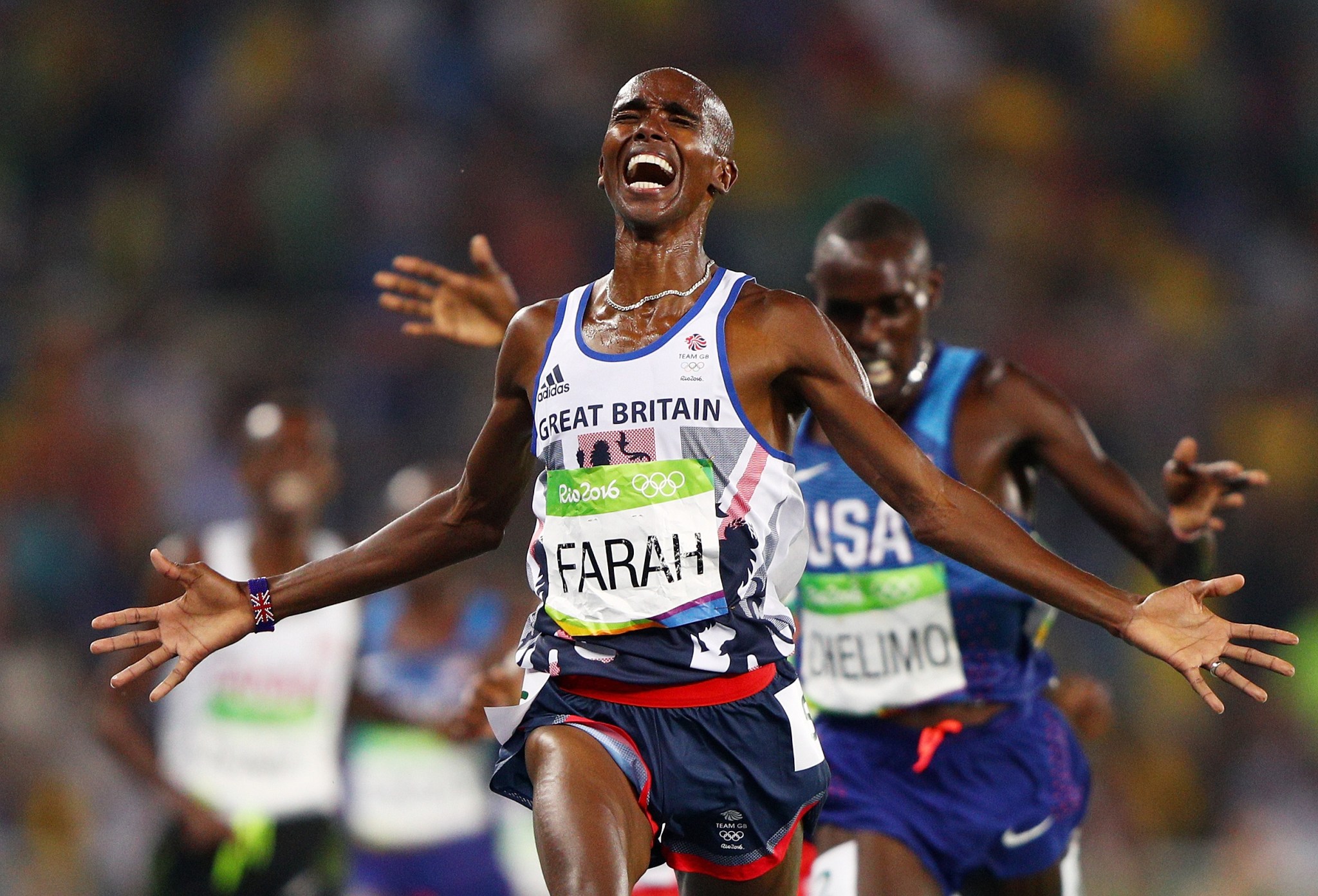
Farah’s career is filled with massive achievements that contrast sharply with his early life. He has won four Olympic gold medals in long-distance running. He is well-known for winning both the 5,000-meter and 10,000-meter races at two different Olympic Games. Despite these wins, he reminds people that he started with nothing. He was brought to the UK illegally at age nine and had to overcome extreme poverty and forced labor before he ever stepped onto a professional running track.
Background and Context
This message comes at a time when many young people, often called Gen Z, feel very worried about their careers. Millions of young adults are currently not in school and do not have jobs. Many are also anxious about the housing market and the high cost of living. On top of these issues, experts warn that artificial intelligence might take away many entry-level jobs that young people usually take to start their careers. Because of these factors, many feel that the world is working against them. Farah’s story provides a different perspective by showing that even more extreme obstacles can be overcome with the right mindset.
Public or Industry Reaction
Farah’s "no-nonsense" approach is seen as a form of tough love. While some career experts focus on changing the system to help young workers, Farah focuses on changing the individual. His comments have sparked a conversation about resilience. Some people find his story deeply inspiring, while others note that not everyone has a mentor like the teacher who helped Farah. However, his main point remains popular: focusing on what you can change is more productive than worrying about what you cannot change.
What This Means Going Forward
For young people looking for work, Farah suggests focusing on "micro-moments." This means looking at the very small parts of life that you can influence. For example, you cannot force a company to hire you, but you can control how many jobs you apply for or how much time you spend learning a new skill. He also warns against using bad news as an excuse to give up or make poor choices. He believes that learning to handle emotions after a failure is a key part of becoming successful. Instead of hiding from a mistake, he says people should have the courage to admit why they failed and try a different way next time.
Final Take
Mo Farah’s journey from a trafficked child to a world champion is a reminder that a person's beginning does not have to define their end. His advice to Gen Z is simple: believe in yourself, keep learning, and focus your energy on the things you can actually change. While the world may be difficult and the job market may be scary, he insists that staying disciplined and refusing to give up is the only way to build a better life.
Frequently Asked Questions
Why did Mo Farah share his story about being trafficked?
He shared his story to inspire young people who feel like they have no hope. He wanted to show that even if you have a very bad start in life, you can still achieve great things if you work hard and don't give up.
What is Farah's main advice for unemployed young people?
His main advice is to focus on what you can control. He says you should keep trying your best every day, be willing to learn new things, and manage your emotions when things go wrong.
How did Mo Farah get his start in running?
A physical education teacher at his school noticed his talent. The teacher helped him escape his situation as a domestic servant and supported his training, which eventually led him to compete for England at age 14.