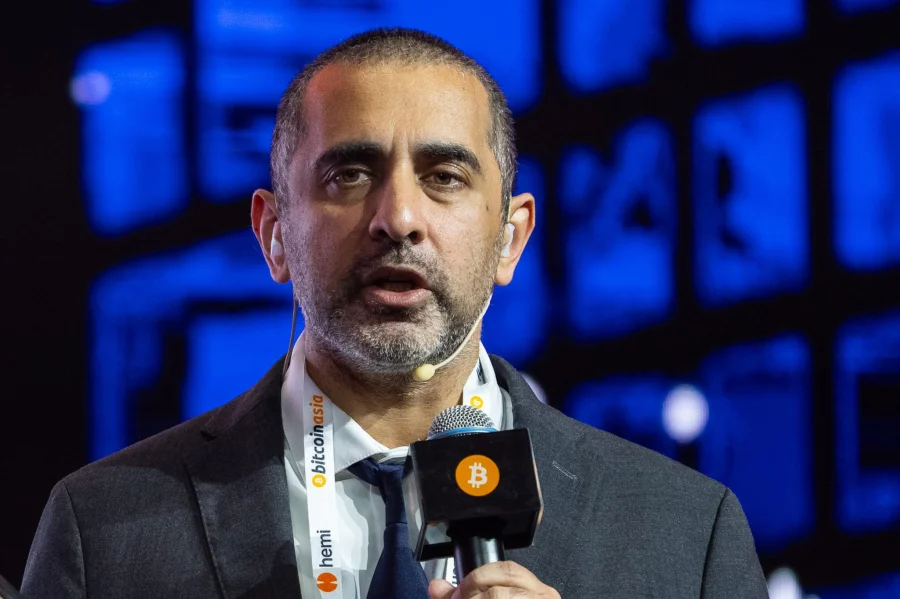
For years, Balaji Srinivasan’s Network School operated quietly in Malaysia, a nomadic education community for crypto enthusiasts and techno-optimists. Then a single, deliberately vague social media video blew the cover—and within days, the school was shut down. The next morning, its founder was in Central Asia, signing a deal with Kazakhstan.
How a viral video undid a ‘quiet’ tech commune in Malaysia
Srinivasan, the former chief technology officer of Coinbase, had set up his Network School in a largely uncompleted complex just across the strait from Singapore. The location was meant to be low-profile. But a video that carefully avoided naming the exact spot still attracted enough online attention to trigger a regulatory crackdown. On July 21, Malaysian authorities ordered the school to close.
Why Kazakhstan moved fast to become the next host
Barely 24 hours after the shutdown, Srinivasan was in Kazakhstan signing a memorandum of understanding. “Our new campus will become a haven for global techno-optimists,” he said. For Kazakhstan, the deal is part of a broader strategy to build a reputation as a tech-friendly destination, especially for crypto and blockchain projects that face increasing scrutiny elsewhere.
The brief timeline of Network School’s migration
The school had operated in Malaysia without incident until that video went viral. The exact nature of the regulatory concerns—whether visa violations, educational licensing, or something else—has not been publicly detailed by Malaysian authorities. What is clear is the speed of the relocation: closed on a Thursday, signed with a new host on Friday.
Who is affected by this nomadic education model
Students, instructors, and staff associated with Network School are now uprooted to a new continent. The community is built around intensive, in-person learning of technology, economics, and “network state” philosophy. For participants, the sudden move means adjusting to a very different environment in Central Asia.
What Malaysia’s crackdown signals for similar projects
Malaysia has been cautious about unregulated educational setups, especially those linked to cryptocurrency. The Network School episode suggests that even low-key operations can attract attention in an era of heightened digital surveillance. It may also discourage other nomadic tech communities from choosing Southeast Asia.
Kazakhstan’s techno-optimist pitch: opportunity or risk?
Kazakhstan has been actively courting crypto miners and blockchain projects since 2022, offering cheap energy and relaxed regulations. But the country also faced a major internet shutdown during the January 2022 unrest and has a history of political instability. The bet is that the government’s current openness outweighs these risks for Srinivasan’s community.
Confirmed facts vs what remains unclear about the deal
Confirmed: The school was closed on July 21; an MOU was signed with Kazakhstan on July 22. Unclear: The exact violations cited by Malaysia; the location and timeline for the Kazakhstan campus; whether any legal action is pending against Srinivasan in Malaysia. This article labels all additional speculation.
Why this project matters beyond the headlines
Network School is a test case for “network state” ideas—communities that operate across borders with their own governance and education. Whether such models can survive regulatory scrutiny remains an open question. Kazakhstan is betting that welcoming them will bring global talent and investment.
What participants and observers should know now
Students should verify visa requirements for Kazakhstan and check travel advisories. Investors watching the project should note that MOUs are non-binding; the actual campus may take months to materialize. Readers following the story should treat the Kazakhstan announcement as an intent, not a done deal.
Future outlook for Network School in Central Asia
If the Kazakhstan campus succeeds, it could become a model for other nomadic tech communities. If it faces similar regulatory friction, Srinivasan will likely search for yet another host. The pattern underscores a growing tension between borderless digital communities and nation-state borders.
Our Take
The speed of the relocation—one day—is the most remarkable detail. It shows how prepared Srinivasan was for this contingency. It also shows how aggressively Kazakhstan is positioning itself as a safe haven for techno-optimist projects. But both sides are taking risks: Malaysia proved that a viral moment can end a project overnight, and Kazakhstan’s long-term stability is uncertain. For now, the story is a reminder that even the most visionary tech communities cannot outrun geopolitics.
Frequently Asked Questions
Why was Balaji Srinivasan’s school banned in Malaysia?
Malaysian authorities closed the Network School on July 21 after a social media video drew public attention to its existence. The specific legal grounds—whether related to visa compliance, educational licensing, or cryptocurrency activities—have not been publicly confirmed by Malaysian officials.
What is Network School?
Network School is a nomadic education community founded by Balaji Srinivasan, former CTO of Coinbase. It brings together technologists and entrepreneurs for intensive, in-person learning focused on technology, economics, and the philosophy of “network states.”
How fast did it relocate to Kazakhstan?
Within 24 hours of the Malaysia shutdown on July 21, Srinivasan signed a memorandum of understanding with Kazakhstan authorities on July 22 to establish a new campus.
Is the Kazakhstan campus already open?
No. The MOU is a preliminary agreement. The actual campus location, opening date, and operational details have not been announced. It remains a stated intention, not an operational facility.