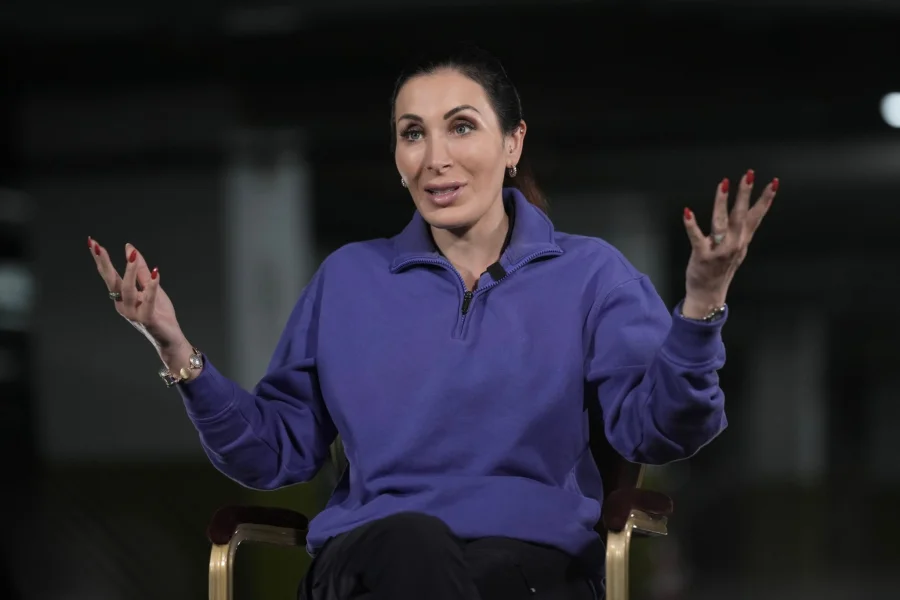
Laura Loomer has spent years building a career on conspiracy theories, from birtherism to QAnon-adjacent claims. But after traveling to Ukraine and witnessing the devastation of Russia’s war firsthand, the prominent Donald Trump ally now says she was “bamboozled” by Russian propaganda — and is warning that right-wing podcasters spreading disinformation represent a national security threat to the United States.
‘Bamboozled’ by Moscow: Loomer’s reversal on Ukraine
In an interview with The Associated Press from Kyiv, Loomer acknowledged that she had fallen for falsehoods about the war. “You don’t need to listen to a podcaster and let them influence your opinion about a country,” she said. The admission marks a stunning about-face for a figure who has long amplified anti-Ukraine narratives and criticized U.S. aid to Kyiv.
From conspiracy theorist to frontline witness
Loomer’s journey to Ukraine took her close to the front line in the east, where she saw the destruction wrought by Russian forces. The experience, she said, forced her to confront the misinformation she had helped spread. “I was bamboozled,” she told the AP, using a term that suggests both embarrassment and a desire to set the record straight.
Why this matters: The reach of Russian disinformation in the American right
Loomer’s admission highlights a broader problem — the effectiveness of Moscow’s propaganda machine in shaping conservative opinion. With millions of followers on social media and close ties to Trump, Loomer’s influence means her reversal could ripple across right-wing circles. But it also underscores how easily even those who claim to be “truth seekers” can be manipulated.
Podcasters as a national security threat
Loomer didn’t stop at admitting her own error. She explicitly called out podcasters and online influencers for spreading Russian talking points. “That is a national security threat,” she said, urging Americans to verify facts instead of relying on partisan commentators. Her phrasing echoes concerns from U.S. intelligence agencies about foreign interference in domestic discourse.
Context: Loomer’s history with conspiracy theories
Loomer rose to prominence by pushing the false “birther” claim about Barack Obama and later spreading conspiracy theories about the 2020 election, COVID-19 vaccines, and the January 6 Capitol attack. Her shift on Ukraine is notable but will likely be met with skepticism from both critics and former followers.
Confirmed facts vs what remains unclear
What is confirmed: Loomer traveled to Ukraine, spoke to the AP, and admitted being deceived by Russian propaganda. She also warned about podcaster misinformation. What remains unclear: whether her admission will lead to genuine change in her content or broader impact on conservative media. Loomer has not said which specific falsehoods she now rejects, nor has she apologized for spreading them.
Risks and balanced view
Skeptics note Loomer’s history of sensationalism and question the sincerity of her reversal. Some critics argue she may be seeking attention or repositioning herself ahead of potential shifts in GOP foreign policy. Others point out that her warning about podcasters could be self-serving, as she herself has been a podcaster. Still, the admission is significant — even if partial — because it validates intelligence assessments that Russian propaganda has penetrated the American right.
Wider pattern: The fight against foreign disinformation
Loomer’s case mirrors broader concerns about social media amplification of foreign narratives. U.S. officials have repeatedly warned that Russia, China, and Iran use American influencers to spread division. Her admission adds a high-profile example of how disinformation can be ingested and then regurgitated by trusted voices.
What conservatives should take away
For conservative audiences, Loomer’s message is direct: question your sources, verify claims, and be wary of partisan influencers who may be unknowingly serving foreign interests. Her own journey suggests that seeing reality on the ground can break the spell of propaganda.
Future outlook
It remains to be seen whether Loomer will face backlash from her base or influence other right-wing figures. The episode could accelerate a broader reckoning within conservative media about Russian disinformation — or be dismissed as an outlier. What is certain is that the national security implications of podcaster-driven misinformation are now being acknowledged by an unlikely voice.
Our Take
Laura Loomer’s admission is a rare moment of accountability from someone who has profited from spreading falsehoods. Whether it represents genuine change or a tactical pivot is debatable. But it serves as a powerful reminder that disinformation can ensnare even its most vocal promoters — and that the consequences for national security are real. The story deserves attention not because Loomer is credible, but because her confession echoes what intelligence officials have been saying for years: Russian propaganda is winning in the American right.
Frequently Asked Questions
What exactly did Laura Loomer admit?
Loomer told the Associated Press that she was “bamboozled” by Russian propaganda about the Ukraine war after visiting the country and seeing the damage firsthand. She also called right-wing podcaster misinformation a national security threat.
Is Laura Loomer still a Trump ally?
Yes, Loomer remains a close ally of Donald Trump. Her admission about Russian propaganda has not been repudiated by Trump’s team, and she continues to be active in conservative circles.
Why does Loomer’s admission matter?
Loomer has a large following and has pushed many conspiracy theories. Her admission validates concerns that Russian disinformation is influencing American conservatives — and shows that even influential spreaders can be deceived.
What does Loomer say about podcasters now?
She warns that podcasters spreading misinformation are a national security threat and urges people not to let any podcaster influence their opinion without checking facts themselves.