Iran's business establishment is now saying openly what months of economic pressure have made painfully clear: the American blockade is hurting more than any recent war did — and dodging it, one of Tehran's most influential trade voices warns, would be a catastrophic mistake.
Top trade leader's blunt warning to Tehran
Majidreza Hariri, head of the Iran-China Joint Chamber of Commerce, told Iran's Khabar Online outlet that "the consequences of the blockade far outweigh those of a direct war." It is a strikingly candid admission from a man whose job is to keep commerce moving with Iran's biggest economic partner.
Why this admission carries unusual weight
Hariri is not a political figure issuing slogans. He represents the commercial class that deals directly with China — the primary buyer of Iranian oil and a key supplier of goods. When such a figure publicly says the blockade outweighs war, it signals that Iran's economic pain has moved beyond what business leaders consider manageable.
Shortages worse than the 40-day war
The chamber chief reportedly said the economic crisis and shortages ravaging Iran under the blockade are more severe than during the 40-day war earlier this year. That comparison is striking: in his assessment, the wartime economy was in better shape than the blocked one is today.
What ordinary Iranians are living through
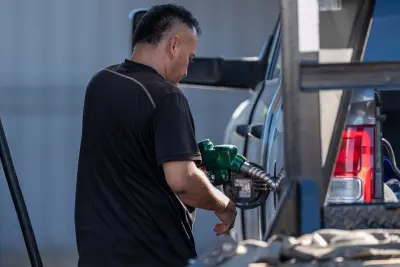
Shortages mean empty shelves, rising prices and businesses fighting to survive. For families, the blockade is not an abstraction — it is the climbing cost of basic goods and the uncertainty creeping into daily life. Hariri's words give a name to that lived reality.
End the blockade 'one way or another'
Hariri did not leave the question open. He argued that Iran must find a way to end the blockade — whether through negotiations, pleading, threats, or even renewing war against the United States. The most dangerous path, he said, is trying to evade it: the "worst thing that could happen."
Why evasion is the 'worst thing that could happen'
The logic is strategic. Sanctioned economies often try to smuggle goods, route shipments through third countries, or lean on informal networks. But against a naval blockade, evasion invites tighter enforcement, deeper isolation and potentially harsher retaliation. Hariri's warning suggests the cost of circumvention could outweigh even the pain of the blockade itself.
Washington's pivot from missiles to economic pressure
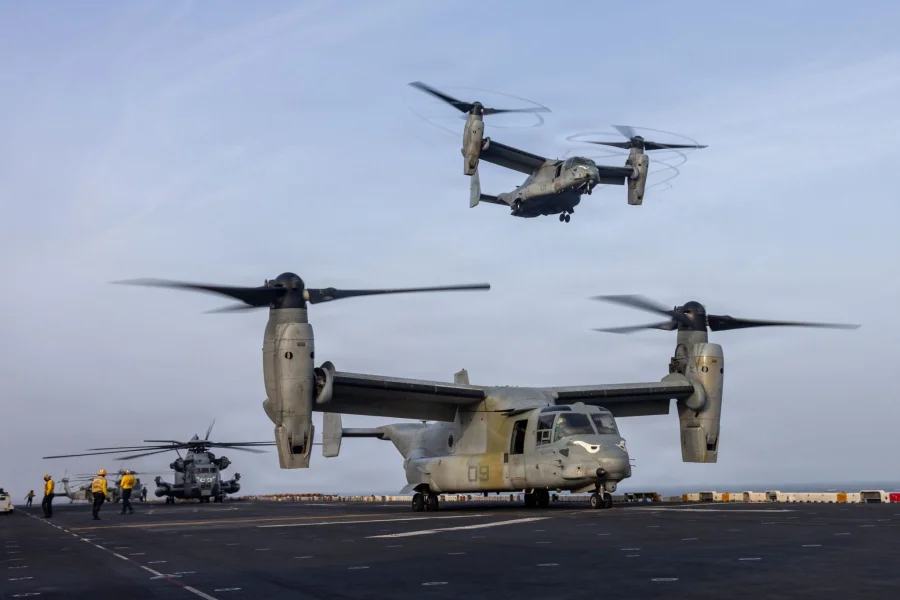
The backdrop, according to the original story, is a White House doubling down on economic pressure as military options dwindle. President Donald Trump's approach treats the blockade as a sharper tool than direct force — a calculation that, by Hariri's own account, is now inflicting real damage.
What is confirmed — and what remains unclear
Confirmed: Hariri made these remarks to Khabar Online, and his comparison of blockade damage to war damage is accurately reported here. Unclear: what new enforcement measures Washington may introduce next, and whether Tehran's leadership will follow Hariri's advice or choose escalation. This report is based on the original story alone; independent verification was not available at the time of writing.
Two paths for Tehran — and the risks of each
Negotiation could mean concessions Iran has long resisted. Threats or renewed war carry obvious military dangers. Pleading risks appearing weak. Meanwhile, economic pressure is unlikely to ease soon. Hariri has named the problem clearly; the harder question is which route his government will actually take.
Economic warfare is becoming the new frontline
This episode reflects a broader shift in great-power conflict: blockades, sanctions and trade restrictions are increasingly replacing airstrikes as the weapon of first resort. For Iran, that means the battlefield is now the port, the bank and the supply chain — not just the missile silo.
What businesses and observers should watch
For companies with exposure to Iran-linked trade, the message is to prepare for prolonged disruption rather than a quick diplomatic fix. For observers, the signal to track is whether Tehran moves toward talks — or, as Hariri hinted, considers riskier options out of desperation.
What happens next
If Tehran listens to its business community, diplomatic channels may quietly reopen despite public rhetoric. If it does not, the blockade could tighten further, deepening the economic crisis. The "worst thing" warning suggests Iran's leadership now faces a genuine moment of strategic reckoning.