Summary
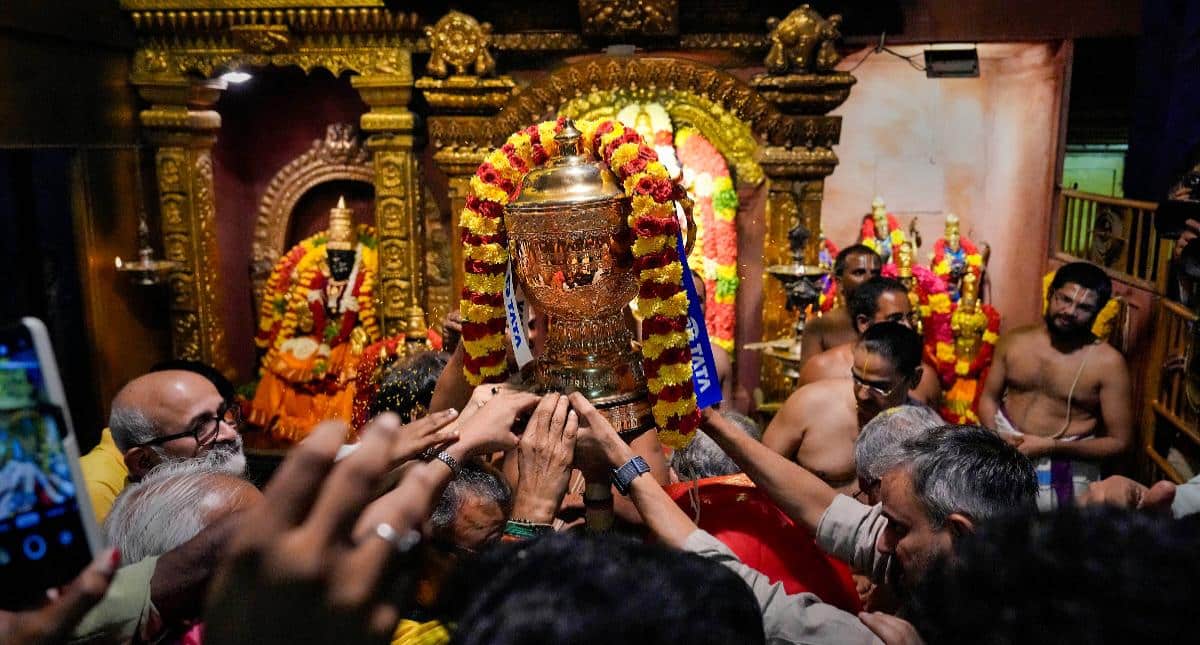
The Indian Premier League (IPL) is getting ready for its 19th season in 2026. This massive cricket event is expected to begin in late March or early April. Teams like the Chennai Super Kings and Lucknow Super Giants have already started their training camps to prepare for the competition. Since it began in 2008, the IPL has changed from a new idea into the most successful cricket league in the world. It combined sports with big business and entertainment, making it a global favorite for millions of fans.
Main Impact
The arrival of the IPL changed the world of cricket forever. Before this league started, most cricket matches were played between national teams. The IPL introduced a new way of doing things by creating teams based in specific cities. These teams are owned by private companies and famous individuals. This shift brought a huge amount of money into the sport, which helped improve stadiums and training facilities. It also gave players from different countries the chance to play together on the same team. This helped players learn from each other and improved the quality of cricket globally. Today, the IPL is a major part of the global sports economy and has inspired many other countries to start their own leagues.
Key Details
What Happened
The idea for the IPL came from Lalit Modi, who was a high-ranking official at the Board of Control for Cricket in India (BCCI). In 2007, India won the first-ever T20 World Cup, and the popularity of the short version of the game exploded. Modi saw an opportunity to create a professional league that would be fast and exciting. He wanted to mix the thrill of cricket with the glamour of the movie industry and the power of big business. To make this happen, he needed the support of the BCCI president at the time, Sharad Pawar. Pawar gave the project the official approval it needed to move forward. They decided to sell team rights to the highest bidders, which led to the creation of the original eight franchises.
Important Numbers and Facts
The very first IPL season took place in 2008. At that time, there were only eight teams competing for the trophy. The Rajasthan Royals won that first tournament, proving that even teams without the biggest stars could succeed with good teamwork. Over the years, the league has grown significantly. It now features ten teams instead of eight. The 2026 season will be the 19th edition of the tournament. The league has become so valuable that the rights to broadcast the matches are now worth billions of dollars. This makes the IPL one of the most valuable sports leagues in the world, sitting alongside famous leagues like the NFL in the United States.
Background and Context
To understand why the IPL was such a big deal, you have to look at what was happening in 2007. At that time, a private group had started another league called the Indian Cricket League (ICL). The BCCI did not approve of this league and wanted to create its own official version. The success of the Indian national team in the T20 World Cup gave them the perfect timing. They used the excitement of that victory to launch the IPL. The goal was to create a league that was better organized and more professional than anything seen before. They introduced the "player auction," where teams bid money to sign players. This was a brand-new concept in cricket and made the sport feel more like a professional business.
Public or Industry Reaction
When the IPL was first announced, not everyone was sure it would work. Some traditional cricket fans and experts were worried that the short T20 format would make players lose their skills for longer matches. They feared that the focus on money and entertainment would hurt the spirit of the game. However, the reaction from the general public was incredibly positive. Fans loved the fast pace of the games, which only lasted about three hours. The stadiums were full, and millions of people watched on television. Advertisers and big companies were also very excited because they saw a new way to reach a massive audience. Very quickly, the doubts disappeared as the league became a huge success.
What This Means Going Forward
As we look toward the 2026 season, the IPL continues to grow. The fact that teams are already training months in advance shows how competitive the league has become. Every year, the technology used in the matches gets better, and the fan experience improves. The league is also helping to find new talent. Many young players who were unknown have become international stars because of their performance in the IPL. In the future, we can expect the league to expand even more, perhaps by playing matches in different countries or adding more teams. The financial strength of the IPL means it will remain the most important tournament in the cricket calendar for a long time.
Final Take
The IPL is much more than just a series of cricket matches. It is a massive cultural event that brings people together through sport and entertainment. From its difficult beginnings as a risky idea to its current status as a global leader, the league has shown how innovation can change a traditional sport. As the 2026 season approaches, the excitement proves that the IPL is still the heart of modern cricket.
Frequently Asked Questions
When did the first IPL season take place?
The first season of the Indian Premier League was held in 2008 with eight original teams.
Who was the person who first proposed the IPL?
Lalit Modi, who was the vice-president of the BCCI at the time, is credited with coming up with the idea for the league.
Which team won the very first IPL trophy?
The Rajasthan Royals won the inaugural IPL title in 2008 by defeating the Chennai Super Kings in the final.