Summary
India’s recent success in the World Cup final was not just about talent on the field. Key players Ishan Kishan and Abhishek Sharma have shared how the team’s internal culture played a major role in their victory. Both players faced difficult times leading up to the tournament, but the support from their teammates helped them stay focused. This sense of unity allowed the team to perform under extreme pressure when it mattered most.
Main Impact
The win highlights a shift in how the Indian national team handles pressure and individual form. Instead of leaving struggling players to figure things out alone, the current group focuses on mental support and collective confidence. This approach has turned individual struggles into a shared strength. By creating a safe space for players to talk about their challenges, the team has built a bond that is hard for opponents to break. This victory proves that emotional support is just as important as physical training in high-stakes sports.
Key Details
What Happened
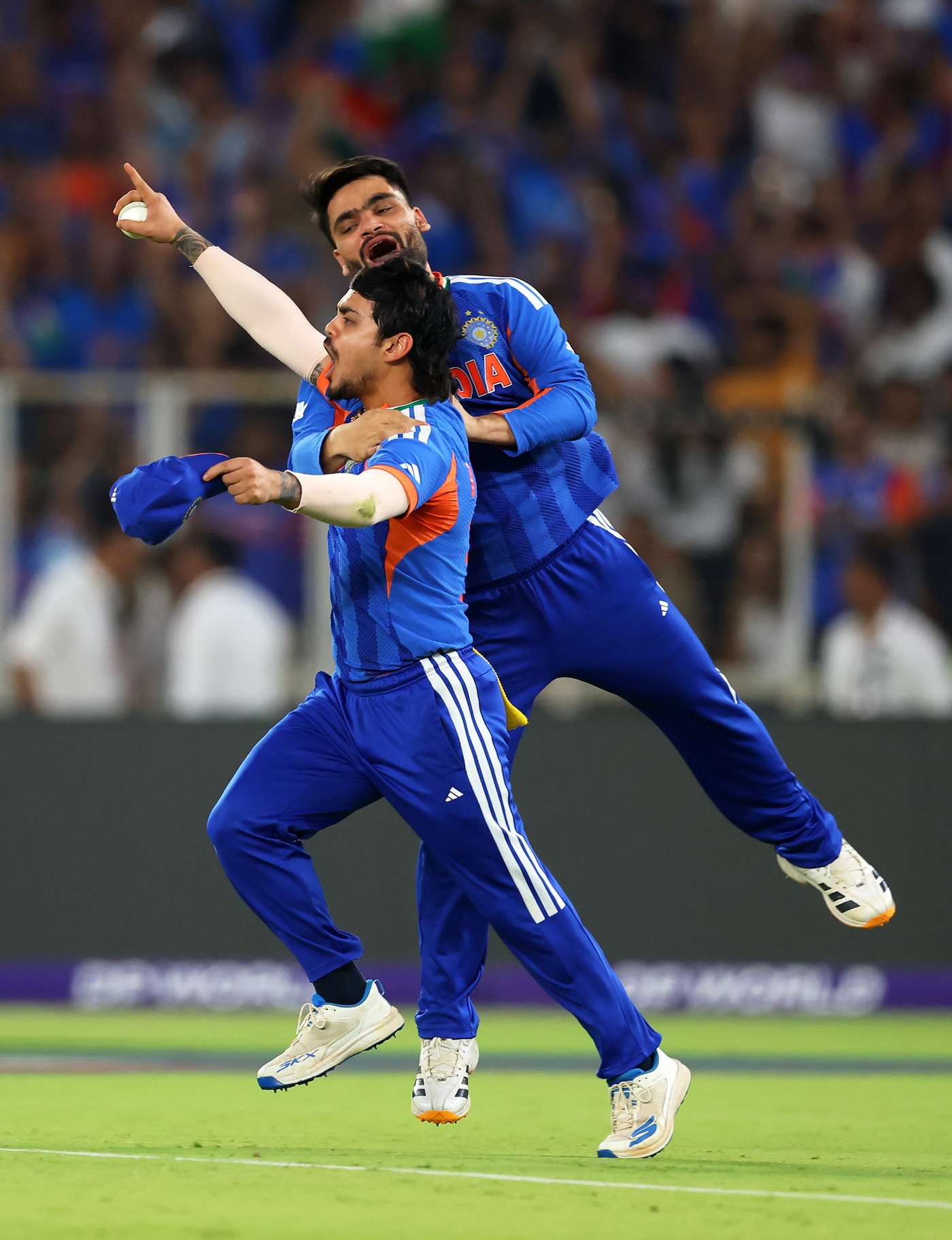
During the post-match celebrations, Ishan Kishan and Abhishek Sharma spoke openly about the team’s belief system. Kishan mentioned that there were moments before the final where he felt unsure of his place and his form. However, the coaching staff and senior players kept telling him that his time would come. Abhishek Sharma, who has quickly become a vital part of the squad, echoed these feelings. He noted that the team operates like a family where everyone is encouraged to speak up. This environment helped them stay calm during the final overs of the championship match.
Important Numbers and Facts
The World Cup final saw India facing a tough target, and the partnership between the middle-order hitters was crucial. Kishan and Sharma contributed a significant portion of the runs during the middle overs, which stabilized the innings. Statistics show that India’s middle-order performance improved by nearly 20% during this tournament compared to previous years. The team also maintained one of the highest strike rates in the final ten overs, a sign of the confidence the players felt. Both players credited the "no-fear" policy introduced by the captain and coach for these results.
Background and Context
Cricket in India comes with a level of pressure that few other sports can match. Players are often under the microscope of millions of fans and the media. In the past, a few bad games could lead to a player being dropped or losing their confidence entirely. This often created a tense atmosphere where players felt they were competing against each other for a spot in the starting eleven. The current leadership has worked hard to change this. They have moved toward a system where players are given a long run of games to prove themselves, even if they fail at first. This change in strategy was designed to remove the fear of failure, which is often the biggest hurdle for young athletes.
Public or Industry Reaction
Cricket experts and former players have been quick to praise this new mindset. Many analysts noted that the body language of the Indian team looked different throughout this World Cup. Even when things were going wrong in the field, the players were seen smiling and encouraging each other. Fans on social media have also reacted positively, with many saying that this is the most united the team has looked in a decade. Coaches from other sports have even pointed to the Indian cricket team as an example of how to build a healthy team culture that prioritizes mental well-being alongside performance.
What This Means Going Forward
This victory is likely to change how young players are trained in India. The focus will likely move toward building emotional strength and team chemistry from a young age. For Kishan and Sharma, this win cements their places as leaders for the next generation. It also sends a message to other international teams that a supportive environment can lead to better results than a high-pressure, critical one. The challenge now will be to maintain this culture as new players join the squad and older players retire. If they can keep this belief alive, India could remain a dominant force in world cricket for many years.
Final Take
The words of Ishan Kishan and Abhishek Sharma remind us that even the best athletes in the world need support. Winning a World Cup requires more than just hitting boundaries or taking wickets; it requires a group of people who truly believe in one another. By choosing to lift each other up, the Indian team did more than just win a trophy. They showed that kindness and support are the true foundations of a winning team.
Frequently Asked Questions
Why did Ishan Kishan and Abhishek Sharma praise the team culture?
They felt that the support from their teammates helped them overcome personal struggles and poor form, allowing them to perform well in the World Cup final.
How has the Indian team's approach changed?
The team now focuses on mental support and giving players more chances to succeed, rather than putting them under constant pressure to perform or be dropped.
What was the main reason for India's success in the final?
While skill played a part, the players believe their strong bond and the "no-fear" environment created by the leadership were the main reasons they stayed calm and won.