The next caffeine war is not being fought over a latte. It is moving to the drive-thru, where McDonald's and Starbucks are betting that energy drinks — not just coffee — will pull customers back in the afternoon hours when foot traffic dips. The shift is quietly reshaping fast-food menus, and it reflects a bigger change in how, when and why people consume caffeine.
Why fast food chains see a new caffeine opportunity
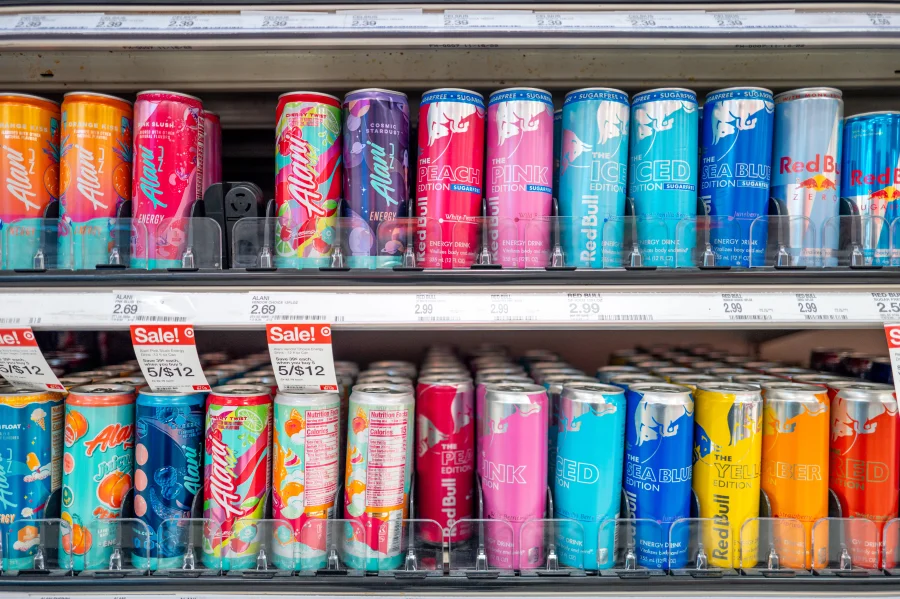
Energy drinks have evolved from a niche gym-shelf product into a mainstream category with premium price points and loyal, repeat buyers. For restaurant chains, the math is simple: beverages carry some of the highest margins on a menu, and an ice-filled caffeinated drink costs relatively little to produce.
More importantly, fast food chains lose momentum after the breakfast rush. Energy drinks and caffeinated cold beverages are being positioned to win the mid-afternoon "slump" customer — someone who already finished their morning coffee but wants another lift.
What McDonald's and Starbucks are actually doing
McDonald's has publicly tested the concept through CosMc's, a small-format spinoff opened in Illinois in late 2023, reportedly devoted to specialty cold drinks and caffeinated lemonades aimed at younger customers. The company has described it as a learning lab for beverage-led ideas.
Starbucks, meanwhile, has pushed well beyond coffee with its cold beverage lineup and canned energy drinks sold in retail stores, giving the brand a presence in the energy aisle without abandoning its café identity.
Exact sales figures and expansion plans were not available in the source material provided for this story, so these details should be read as publicly reported context rather than fresh verification.
Who is driving the demand
The customer profile matters. Younger consumers — Gen Z in particular — are known for favoring customizable, visually interesting cold drinks over traditional hot coffee. Energy drinks fit that preference, and they carry a social-media-friendly appeal that chains are eager to leverage.
Industry watchers also point to a broader shift: cold beverages have been growing faster than hot coffee across quick-service restaurants for years, even as coffee remains the anchor. Energy drinks simply extend that cold-caffeine trend.
The concerns that come with the rush
Not everyone is cheering. Health experts have long cautioned about high caffeine consumption, especially for teenagers, and energy drinks have faced regulatory scrutiny in several countries. The U.S. FDA generally advises that healthy adults limit caffeine to about 400 milligrams per day — roughly four cups of coffee — but energy drinks can deliver a significant portion of that in a single serving.
There are also competitive risks for the chains themselves. The energy drink market is crowded, dominated by established names, and any misstep on caffeine labeling or marketing to minors could invite regulatory and reputational trouble.
What this means for the average customer
For ordinary customers, the practical change is choice. Fast food menus will likely offer more caffeinated cold drinks, more limited-time beverage launches, and more aggressive pricing on drinks as chains compete for the same afternoon wallet.
The takeaway for consumers: check what you are ordering. A "refreshing" lemonade or a "custom" cold drink can contain as much caffeine as a cup of coffee, sometimes more, without tasting like an energy drink at all.
Frequently Asked Questions
Are McDonald's and Starbucks actually selling energy drinks?
Starbucks sells canned energy drinks through retail channels, and McDonald's has tested a beverage-heavy spinoff concept featuring caffeinated specialty drinks. In-store energy drink menus vary by location and market.
Why would coffee chains want to sell energy drinks?
Energy drinks target the afternoon daypart, attract younger customers, and carry high profit margins. They also let chains compete in a category that has grown independently of coffee culture.
Are energy drinks at fast food chains safe?
For most healthy adults, caffeine in moderation is considered safe, but the FDA advises limiting intake to roughly 400 milligrams per day. Parents should be cautious about caffeine-heavy drinks for children and teenagers. When in doubt, ask the restaurant for caffeine information.
Our Take
This is a classic fast-food strategy: grow where the customer already leans. Energy drinks are not a fad the chains discovered late — they are a hedge against slowing coffee growth and a younger generation's evolving caffeine habits. The real test will be whether these brands can sell the energy experience without sacrificing the trust built on coffee. And whether regulators let them.
Editorial note: This article is based on the headline provided and publicly reported industry context. No primary source documents were supplied with this assignment, so specific claims should be treated as background rather than fresh reporting.