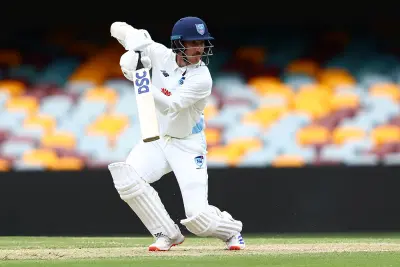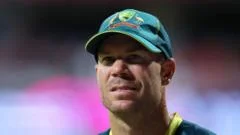
David Warner, the explosive former Australian opener who retired from international cricket earlier this year, has pleaded guilty to a drink driving charge in Sydney. The plea, entered in a local court, stems from a random breath test conducted by New South Wales Police months ago. For a cricketer who built a career on discipline and aggression at the crease, this off-field misstep has reignited scrutiny of his conduct beyond the boundary.
What Happened: The Breath Test That Changed Everything
Warner was pulled over during a routine police operation in Sydney’s eastern suburbs. After failing the roadside breath test, he was taken to a nearby station for a secondary analysis, which confirmed an elevated blood alcohol reading. The exact reading has not been disclosed by authorities, but the charge of drink driving under NSW law carries significant consequences.
Why This Matters for a Retired Cricket Icon
For Warner, who retired from all formats after the 2024 T20 World Cup, this incident threatens to tarnish a legacy built on remarkable batting feats and a controversial but resilient career. Fans who cheered his centuries now watch a different kind of courtroom drama. The case also raises questions about how retired athletes navigate life after the spotlight, where discipline is no longer enforced by team management.
The Timeline: From Random Test to Courtroom
The incident occurred earlier this year, though the exact date has not been made public. Warner was charged shortly after the test, and the case has now progressed to a guilty plea. Legal experts suggest this plea may lead to a reduced penalty, as it avoids the cost and time of a contested hearing.
Who Is Affected: Warner, His Family, and the Cricket Community
Warner’s wife, Candice, and their three children are likely feeling the weight of this public legal battle. The cricket community—from former teammates like Steve Smith to fans in Australia and India—is watching closely. For young cricketers who idolized Warner, this serves as a cautionary tale about the risks of driving under the influence.
Official Response: What the Court and Police Have Said
NSW Police have not issued a statement beyond confirming the charge. The court has accepted the guilty plea, and sentencing is expected in the coming weeks. Warner’s legal team has declined to comment, citing the ongoing proceedings.
What the Guilty Plea Means Legally
Under NSW law, a first-time drink driving offense can result in a fine of up to $2,200, a license suspension of three to six months, or both. If the blood alcohol reading was high, penalties could include a criminal conviction and a longer ban. Warner’s guilty plea suggests he is cooperating with the legal process, which may influence the magistrate’s decision.
Confirmed Facts vs What Remains Unclear
Confirmed: Warner pleaded guilty to drink driving after failing a random breath test in Sydney earlier this year. Unclear: The exact blood alcohol reading, the date of the incident, and whether Warner was alone in the vehicle. These details may emerge during sentencing.
Risks and Balanced View
Critics argue that Warner’s actions show a lack of judgment, especially given his public profile and responsibility as a role model. Supporters point to his guilty plea as a sign of accountability. The incident does not erase his cricketing achievements—over 18,000 international runs—but it does add a blemish to his post-retirement narrative.
Wider Trend: Athletes and Off-Field Legal Troubles
Warner is not the first high-profile athlete to face a drink driving charge. In Australia, former rugby stars and AFL players have faced similar cases. The pattern highlights the pressures of fame, the transition out of professional sport, and the need for better support systems for retired athletes.
Practical Guidance for Fans and Followers
For fans, this is a reminder that no one is above the law. For aspiring cricketers, it underscores the importance of personal responsibility off the field. If you or someone you know is struggling with alcohol or the transition out of sport, resources like Lifeline (13 11 14) and the Australian Cricketers’ Association offer support.
Future Outlook: What Happens Next for Warner
Warner will return to court for sentencing, likely within the next month. He may face a fine and a license suspension, but a criminal conviction could impact his ability to travel for commentary or coaching roles. His reputation, however, may recover over time if he shows genuine remorse and avoids further incidents.
Our Take
David Warner’s drink driving guilty plea is a sobering moment for a cricketer who has always lived in the headlines—for better or worse. While his batting brilliance remains undisputed, this case reminds us that off-field conduct matters, especially for public figures. The best outcome now is accountability, a fair penalty, and a chance for Warner to rebuild trust with his fans and the community.
Frequently Asked Questions
What did David Warner plead guilty to?
David Warner pleaded guilty to drink driving after failing a random breath test in Sydney earlier this year. The charge is under NSW road traffic law.
What penalty could David Warner face?
Penalties for a first-time drink driving offense in NSW include a fine of up to $2,200, a license suspension of three to six months, or both. A high reading could lead to a criminal conviction.
When will David Warner be sentenced?
Sentencing has not yet been scheduled. It is expected within the next few weeks, depending on the court’s calendar.
Will this affect David Warner’s cricket career?
Warner has already retired from international cricket. The case may impact his commentary or coaching opportunities, but it does not affect his past achievements.