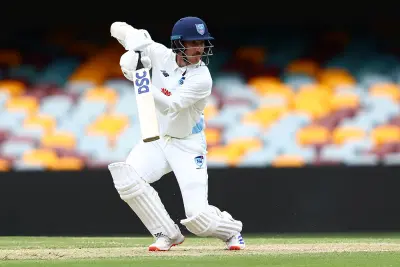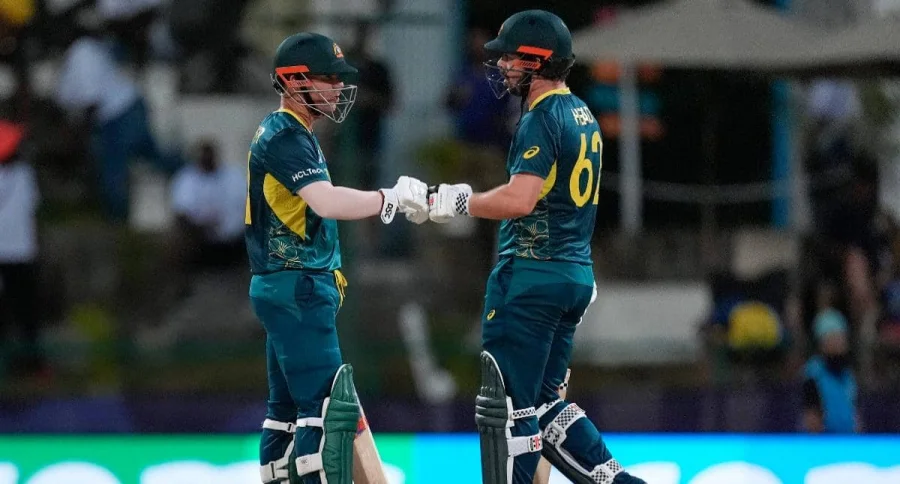
For Australian cricket fans, the image of David Warner charging down the pitch or smashing a cover drive is iconic. But on a quiet Tuesday at Waverley Local Court in Sydney, the 39-year-old legend faced a very different kind of spotlight — one that could see him behind bars for up to nine months.
The Easter Sunday Incident That Changed Everything
Warner was stopped by police in Sydney’s eastern suburbs on Easter Sunday, April 5. He had pulled over just before reaching a random breath-testing checkpoint. A subsequent test at the station revealed a blood alcohol content of 0.104 — more than double the legal limit of 0.05. The charge: mid-range drink-driving.
Why This Matters for a National Icon
David Warner is not just any cricketer. He is one of Australia’s most decorated openers, a World Cup winner, and a figure who has battled public scrutiny before — from the 2018 ball-tampering scandal to his recent retirement from international cricket. This latest legal trouble strikes at the heart of his legacy, raising questions about accountability and public trust.
What Happened in Court
Warner did not appear in person. His attorney, Bobby Hill, entered the guilty plea on his behalf. Hill told the court that Warner’s actions were “reckless” — a word that carries weight for a man who has spent years trying to rebuild his reputation. The magistrate will now decide the penalty, which could include a fine, a license suspension, or up to nine months in prison.
The Human Cost of a Bad Decision
For Warner, the consequences are personal. A jail sentence would separate him from his young family. A license suspension would disrupt his daily life. But the broader impact is on the thousands of young fans who idolize him. Drink-driving is a serious offense in Australia, where road deaths remain a national crisis. Warner’s case is a stark reminder that no one is above the law.
Official Response and Legal Process
Police have not commented beyond the initial report. The court has not set a sentencing date. Warner’s legal team is expected to argue for a non-custodial sentence, citing his guilty plea and clean prior record. However, the mid-range nature of the offense — with a BAC of 0.104 — means jail time remains a real possibility under New South Wales law.
What a Mid-Range Drink-Driving Charge Means
In NSW, mid-range drink-driving applies to a BAC between 0.08 and 0.15. Penalties include fines up to $2,200, an automatic license suspension, and imprisonment for up to nine months. First-time offenders often avoid jail, but the court has discretion based on the circumstances. Warner’s “reckless” admission may work against him.
Confirmed Facts vs What Remains Unclear
What is confirmed: Warner pleaded guilty, the BAC was 0.104, and the incident occurred on Easter Sunday. What remains unclear: the exact sentencing date, whether Warner will face additional penalties from Cricket Australia, and the full details of his legal defense strategy. Speculation about a potential jail term is based on the maximum penalty, not a guaranteed outcome.
David Warner’s Legacy Under Scrutiny
Warner’s career has been a study in redemption. From the sandpaper scandal to his triumphant return, he has often been cast as a flawed hero. This incident adds another chapter — one that tests public sympathy. For many, the question is not just about punishment, but about whether a national icon can learn from yet another mistake.
Risks and Balanced View
Critics argue that Warner’s celebrity status should not shield him from the full force of the law. Supporters point to his guilty plea and remorse as signs of accountability. The court will weigh both sides. What is clear is that drink-driving carries real consequences — and Warner’s case will be watched closely as a test of equal justice.
Wider Pattern: Athletes and the Law
Warner is not the first sports star to face drink-driving charges. From Shane Warne to Ben Cousins, Australian sporting history is littered with similar cases. Each one sparks the same debate: should athletes be held to a higher standard? The answer, for many, is yes — because their influence extends far beyond the field.
What Fans and the Public Should Know
For now, the legal process must play out. Warner’s fans should wait for the court’s decision before passing judgment. For the broader public, this is a reminder that drink-driving is never worth the risk. A moment of poor judgment can change a life — and a legacy — forever.
What Happens Next
Sentencing is expected within weeks. Warner could face a fine, a license suspension, or jail time. Cricket Australia has not yet commented on any potential disciplinary action. The case will likely be resolved before the next cricket season, but the reputational damage may linger far longer.
Our Take
David Warner’s drink-driving guilty plea is more than a legal story — it is a human one. It is about a man who made a reckless decision, who now faces the consequences, and who must reckon with the impact on his family, his career, and his fans. The court will decide his punishment. But the public will decide his redemption. And that, perhaps, is the hardest sentence of all.
Frequently Asked Questions
What is the maximum penalty David Warner faces for drink-driving?
Under New South Wales law, mid-range drink-driving carries a maximum penalty of nine months in prison, a fine of up to $2,200, and an automatic license suspension.
What was David Warner’s blood alcohol reading?
Warner recorded a blood alcohol content of 0.104 — more than double the legal limit of 0.05.
Did David Warner appear in court?
No. He was represented by his attorney, Bobby Hill, who entered the guilty plea on his behalf at Waverley Local Court.
Will David Warner be banned from cricket?
Cricket Australia has not yet commented on any potential disciplinary action. The court case is separate from any sporting sanctions.