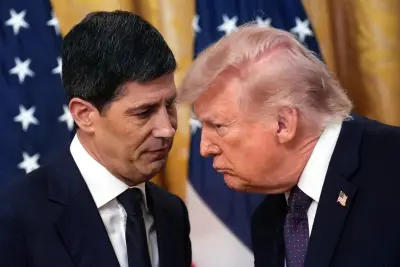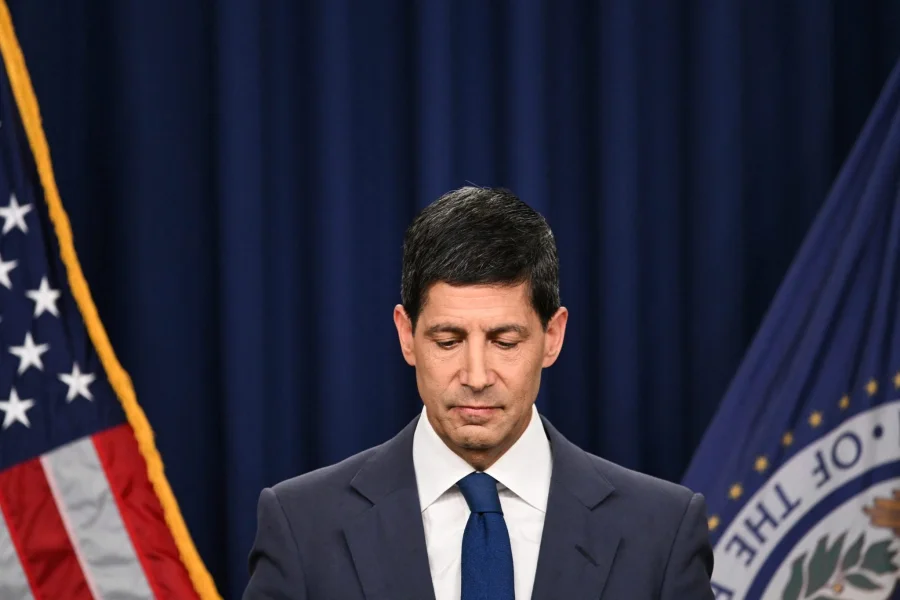
The Fed did precisely what Wall Street had priced in. The bond market, however, refused to be pacified. Within hours of the Federal Open Market Committee's rate decision this week, 30-year Treasury yields crossed 5.2% — a level not seen since late 2007 — and Kevin Warsh, the Fed chairman, found himself in the crosshairs of the bond vigilantes.
A Textbook Decision, and a Bond Market That Wouldn't Comply
At the time of writing, 30-year Treasuries remain above 5.1%, having tipped over 5.2% when the meeting concluded. Ten-year yields have moved past 4.65%, while rate-sensitive two-year Treasuries have slumped.
The shape of the move is what unnerves traders: the volatility is at the long end of the curve. When the farthest-dated bonds lead the action, the market is not quibbling with a quarter-point here or there — it is repricing decades of risk.
Why a 5.2% 30-Year Yield Ripples Beyond Wall Street
The 30-year Treasury is the bedrock of long-term borrowing costs in the United States. Mortgages, corporate debt, pension fund calculations and government interest payments all take direction from it.
A sustained hold above 5.2% — a line first breached since late 2007 — does more than unsettle traders. It raises the cost of money for families, businesses and the government itself at a moment when inflation credibility is already under scrutiny.
Carville's Vigilantes Have a New Target
In 1993, James Carville, an adviser to President Clinton, famously remarked that if he were reincarnated, he would choose to return as the bond market — reasoning that "you can intimidate everyone." The line has aged into a truism of market power.
More than three decades later, the same dynamic is playing out against Warsh. The market is demonstrating that it can punish a central bank even when that bank delivers exactly what was promised.