By The Newsroom Desk | Law, Immigration & Voting Rights
On a voter registration form, the question is a single line: are you a U.S. citizen? For someone born in American Samoa, the honest answer has never fitted neatly into that box. They are U.S. nationals — not citizens — and in Alaska that gap briefly turned paperwork into a felony.
That prosecution is now over. So are the others built on the same theory.
Alaska Drops the Cases After an Appeals Court Pushes Back
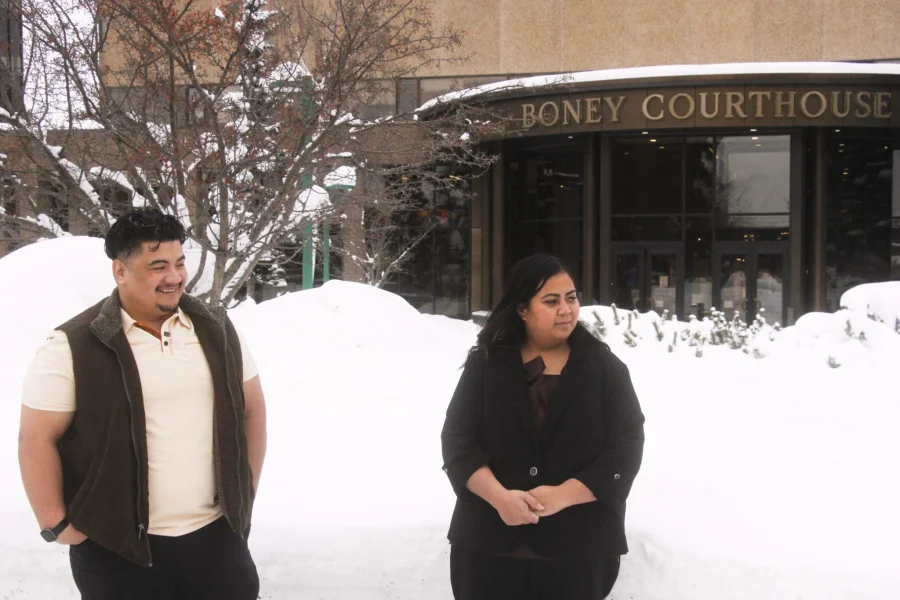
The state's Department of Law announced Friday that it is dropping voter misconduct cases against a group of residents born in American Samoa. The decision came a week after a three-judge panel of the Alaska Court of Appeals threw out felony charges against one of them, Tupe Smith.
What ended the matter was the panel's reasoning, not the defendants' citizenship status. Under Alaska law, prosecutors must prove a defendant acted with a "consciousness of wrongdoing" — that the person knew the form was wrong and intended to break the law.
What the Court Said Was Missing in Tupe Smith's Case
Smith had checked a box on a voter registration form stating she was a U.S. citizen. The appeals panel found flaws in how a state trooper questioned her, and separate problems with the grand jury process that produced her indictment.
Those failures, the judges concluded, were serious enough to overturn a