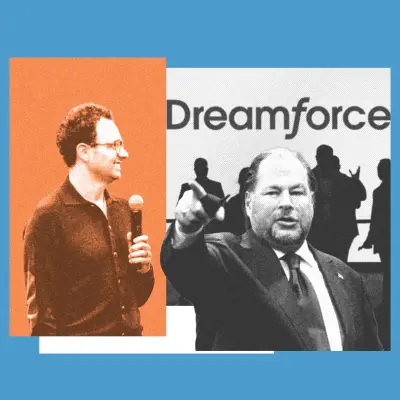
Hank Green, one of YouTube's most recognisable creator voices, has pointed at a flaw in the platform's AI disclosure rules that sits right in front of viewers — and almost nobody noticed. The rules are supposed to tell you when a video has been shaped by artificial intelligence. In practice, they catch the obvious images and miss the invisible influence.
What YouTube's AI label rule actually says
YouTube currently requires creators to let viewers know "when they use AI to meaningfully alter or generate photorealistic content." That sounds clear — until you read the fine print. The platform's own simplified summary is: "Realistic AI content and meaningful changes require disclosure, while non-realistic or minor edits don't."
The strange boundary at the heart of the policy
The policy draws some odd lines. It applies to "AI-generated music," which isn't photorealistic at all. But it doesn't apply to "riding a unicorn through a fantastical world" — content that could be photorealistic in style, even if the scene itself is impossible.
That contradiction is exactly the kind of gap Hank Green has highlighted: the rule's boundaries don't match its stated purpose.
The AI uses that never trigger a label
Here's the blind spot. AI uses that require no disclosure can include everything from "idea generation" through "production assistance, like using generative AI tools to create or improve a video outline, script, thumbnail, title, or infographic."
The policy text, according to the original story, also indicates creators are free to clone their own voices in some circumstances — AI assistance that a viewer would have no way to detect.
Why the label misses what matters most
The disclosure system treats "photorealistic" as the test. But the most consequential AI use on YouTube isn't always the imagery — it's the scripting, titling, thumbnail design and packaging that steer what millions of people click and watch. That kind of AI shapes the video before a single frame is shot.
What this means for viewer trust
Labels exist to protect trust. When the rules demand disclosure for an AI-generated song but not for an AI-written script, the label creates a false sense of completeness. An unlabelled video begins to feel "human-made" even when AI quietly determined the hook, the title and the thumbnail that made you click.
Confirmed facts vs what remains unclear
Verified from the policy text: YouTube requires disclosure for AI that meaningfully alters or generates photorealistic content; the policy applies to AI-generated music; disclosure is not required for AI-assisted outlines, scripts, thumbnails, titles and infographics.
Reported, not independently verified here: Hank Green's specific remarks and argument, as described in the original story brief.
Unclear: What specific reforms Hank Green has proposed, and whether YouTube plans to respond or revise the policy.
Risks and the balanced view
YouTube's approach is a genuine attempt to address AI transparency — a hard problem that regulators, platforms and creators are all wrestling with. The difficulty is that "photorealistic" is a narrow test for a technology that now touches nearly every step of content creation.
Supporters of the current rule note that not every AI use is deceptive. Creative software and AI assistance have blurred for years; over-labelling could burden small creators with heavy compliance work and drown out the disclosures that actually matter.
A wider shift in how platforms define AI
This isn't just a YouTube problem. Platforms across the internet are deciding what deserves an AI label and what doesn't — from political ads to news images to music. Hank Green's critique lands at the exact moment those definitions are being written, and once written, they are hard to unwind.
What creators and viewers should do now
For creators: read the disclosure rules carefully, and consider going beyond the minimum where AI meaningfully shapes your videos. Transparency builds long-term trust with audiences. For viewers: an absent AI label doesn't mean AI wasn't used — it means the platform's threshold wasn't met.
What could happen next
If the criticism gains traction, YouTube could broaden its disclosure criteria to cover AI-assisted scripts, titles and thumbnails. But policy change on YouTube tends to move cautiously, balancing a vast range of creator practices. Whether Hank Green's point forces a redefinition of "meaningful" — and "realistic" — remains to be seen.
Our Take
The label debate is really about where the line of "meaningful" sits. Hank Green has identified a gap between what the rule intends and what it actually captures. The honest conclusion: AI disclosure only works if it reflects how AI is truly used in production. Right now, the rules catch the visible — and the invisible slips through.
Frequently Asked Questions
What is YouTube's AI disclosure policy?
YouTube requires creators to inform viewers when they use AI to meaningfully alter or generate photorealistic content. The simplified rule: realistic AI content and meaningful changes require disclosure, while non-realistic or minor edits don't.
When do creators need to label AI content on YouTube?
Creators need to label AI-generated or meaningfully altered photorealistic content, and AI-generated music. According to the policy text, they do not need to label AI-assisted production help such as outlines, scripts, thumbnails, titles or infographics.
What AI uses don't need disclosure on YouTube?
AI uses that require no disclosure can include idea generation and production assistance — like using generative AI tools to create or improve a video outline, script, thumbnail, title or infographic. The policy also appears to allow creators to clone their own voices without disclosure in some cases.
Why did Hank Green question YouTube's AI labels?
Hank Green flagged that the policy draws strange boundaries — applying to AI-generated music but not to implausible photorealistic scenes — while missing AI assistance in scripting, titling and packaging. The labels catch visible AI content, but not the invisible ways AI shapes what viewers watch and click.