
Summary
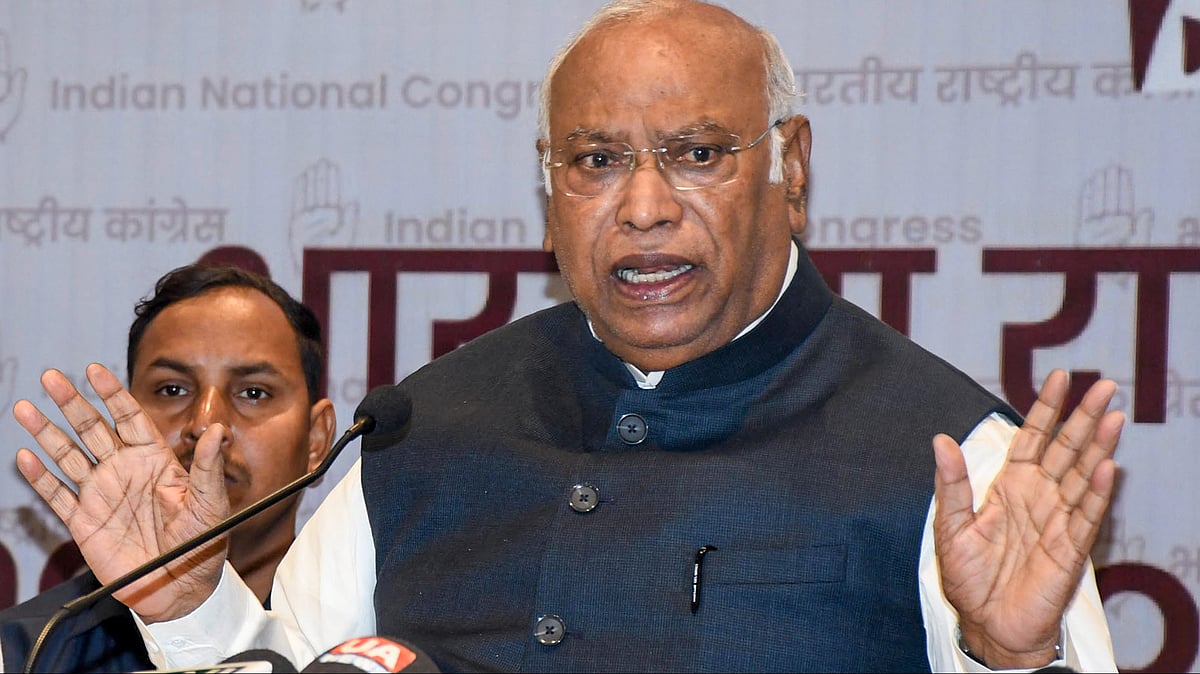
Mallikarjun Kharge, the president of the Congress party, has called for a meeting of all political parties on April 15. The purpose of this gathering is to talk about how the new women’s reservation law will be put into practice. Kharge claims that the current central government is not doing enough to talk with other political groups about this important change. This meeting is scheduled to happen just before a special session of Parliament begins.
Main Impact
This move by the Congress party highlights a major disagreement between the government and the opposition. While both sides say they support giving women more power in politics, they do not agree on how to do it. By calling this meeting, Kharge is trying to make sure that all political voices are heard. This could lead to a more united opposition when Parliament meets later in the week. It also puts pressure on the ruling party to be more open about their plans for the law's rollout in the coming years.
Key Details
What Happened
On Monday, Mallikarjun Kharge spoke to the media about the upcoming plans for the women’s reservation law. He explained that the Congress party wants to have a broad discussion with all stakeholders. He argued that because this law affects the whole nation, one party should not make all the decisions alone. Kharge said that since the government has not called for an all-party meeting, the Congress party will take the lead and host one themselves on April 15.
Important Numbers and Facts
The women’s reservation law, officially known as the Nari Shakti Vandan Adhiniyam, was passed by Parliament with a lot of support. The law states that one-third, or 33%, of the seats in the Lok Sabha and state assemblies must be reserved for women. However, the government does not plan to start this until the year 2029. This delay is because the government first needs to complete a national census and redraw the boundaries of voting areas. A special three-day Parliament session is also set to take place from April 16 to April 18 to discuss changes related to this law.
Background and Context
The fight for women’s reservation in India has been going on for a very long time. For many years, women have already had reserved seats in local government offices. These include village councils, known as panchayats, and city municipal corporations. This local reservation has helped many women become leaders in their own communities. The new law aims to bring this same level of representation to the highest levels of government. Even though the law is now official, there is a lot of debate about the timeline. Many people feel that waiting until 2029 is too long and that the government should find a way to start it sooner.
Public or Industry Reaction
Kharge made it clear that the Congress party is not against the law. He reminded everyone that his party has supported the idea for years. He also mentioned the work of Sonia Gandhi, who has been a strong voice for women’s rights in the past. However, Kharge accused the current government of trying to use the law to gain more votes in upcoming elections. He believes the government is rushing through certain parts of the process without enough debate. Other political leaders have also asked for more clarity on how the seats will be chosen and how the reservation will work in different states.
What This Means Going Forward
The meeting on April 15 will be a key moment for the opposition. After the meeting, the parties will share their joint decision and suggestions. This will set the stage for the special Parliament session that starts the very next day. During that session, the government is expected to present amendments to the law. If the opposition parties can agree on a single plan, they may be able to push the government to make changes to the implementation timeline. The focus will remain on whether the 2029 date can be moved up or if the current plan will stay in place.
Final Take
The debate over women’s reservation shows that passing a law is only the first step. The real challenge lies in how that law is used and when it actually begins to help people. While the goal of having more women in government is widely accepted, the political battle over the details is far from over. The upcoming meetings and Parliament sessions will determine how quickly India sees a more balanced representation in its halls of power.
Frequently Asked Questions
What is the women’s reservation law?
It is a law that reserves 33% of the seats in the Lok Sabha and state legislative assemblies for women to ensure they have a fair share of political power.
Why is the Congress party holding its own meeting?
The Congress party believes the central government is not consulting other parties enough. They want to gather different political leaders to discuss the law's implementation and offer collective suggestions.
When will women actually get these reserved seats?
Under the current government plan, the reservation is expected to start in 2029. This is because the government needs to finish a new census and update voting boundaries first.

