
Summary
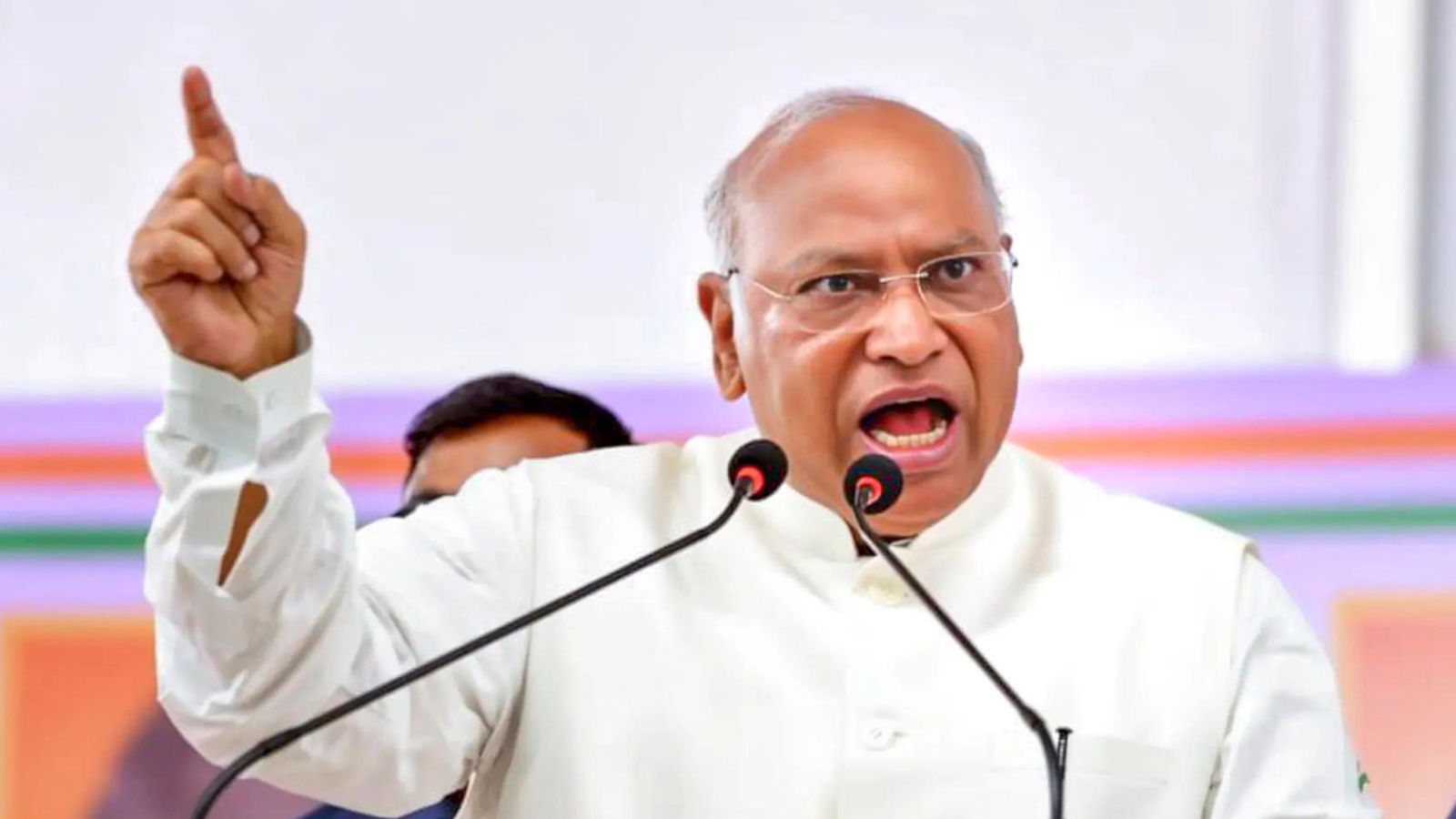
Mallikarjun Kharge, the president of the Congress party, has raised serious concerns about the government's recent actions regarding women's reservation in politics. During a meeting of the Congress Working Committee (CWC), Kharge stated that the government's plan to change the law and expand seats might break election rules. He warned that these actions could have "grave consequences" for the country's democratic process. The Congress party believes the timing of these changes is meant to influence voters unfairly before upcoming elections.
Main Impact
The main impact of this statement is a growing political and legal debate over the fairness of election rules in India. By accusing the government of violating the Model Code of Conduct, the Congress party is questioning the honesty of the legislative process. This situation creates a divide between the ruling party and the opposition regarding how women should be represented in the government. It also puts pressure on election officials to look closely at whether the government is using its power to gain an unfair advantage during the election season.
Key Details
What Happened
At a recent gathering of top Congress leaders, Mallikarjun Kharge spoke about the government's push for a women's quota. He argued that the way the government is handling the "Nari Shakti Vandan Adhiniyam" (the women's reservation law) is problematic. Kharge pointed out that the government called a special session of Parliament to pass these changes, but he believes the timing was chosen for political gain rather than a genuine desire to help women quickly. He also mentioned that the opposition is staying united to challenge these moves.
Important Numbers and Facts
The women's reservation law aims to set aside 33 percent of seats in the Lok Sabha and state assemblies for women. However, the government has stated that this will only happen after a new census is taken and a process called "delimitation" is finished. Delimitation is when the boundaries of voting areas are redrawn based on the new population numbers. This means the actual reservation of seats might not happen for several years, possibly not until 2029 or later. Kharge and other leaders are worried that this delay makes the promise of reservation feel empty for women who want to lead now.
Background and Context
The idea of giving women a fixed number of seats in the Indian Parliament has been discussed for over 25 years. Many different governments have tried to pass this law, but it often faced opposition. The current government recently passed the bill, which was seen as a historic move. However, the rules attached to the bill have caused a lot of talk. The Model Code of Conduct is a set of rules that the government and political parties must follow during election time to ensure everything is fair. Kharge believes that by announcing these big changes and seat expansions right before people go to vote, the government is trying to win over female voters in a way that breaks these fairness rules.
Public or Industry Reaction
The reaction from the Congress party has been very strong. They are calling for the reservation to be put into action immediately, without waiting for a census or boundary changes. Other opposition parties have joined in this demand, saying that if the government truly cared about women's empowerment, they would not wait for years to start the program. On the other side, the government defends its plan, saying that the census and delimitation are necessary steps to make sure the seats are divided fairly across the country. This has led to a heated debate in the news and on social media about whether the law is a real step forward or just a political tactic.
What This Means Going Forward
Moving forward, this issue will likely be taken to the Election Commission or even the courts. If the Congress party files a formal complaint, officials will have to decide if the government's actions really did violate the poll code. This debate will also be a major topic during election campaigns. Voters will have to decide if they trust the government's long-term plan or if they agree with the opposition's view that the changes should happen right away. The outcome of this fight will determine how soon more women can take leadership roles in Indian politics.
Final Take
The fight over women's reservation shows how complicated politics can be when important social changes are linked to election cycles. While everyone agrees that women need more representation in government, the disagreement over "how" and "when" has created a deep divide. Mallikarjun Kharge's warnings highlight a fear that the rules of fair play are being ignored. As the country moves closer to the next election, the focus will remain on whether these promises to women will turn into real action or remain stuck in political arguments.
Frequently Asked Questions
What is the Model Code of Conduct?
The Model Code of Conduct is a set of guidelines issued by the Election Commission. It tells political parties and candidates how to behave during elections to make sure the process is fair and that the ruling party does not use government resources to win.
Why is the Congress party upset about the women's quota?
The Congress party is upset because the government's plan delays the actual reservation of seats until after a census and boundary redrawing. They believe this delay is unnecessary and that the timing of the announcement was meant to trick voters.
When will the women's reservation actually start?
According to the current law, the reservation will only start after the next census is completed and the voting boundaries are redrawn. This means it is unlikely to be in place for the upcoming elections and may take several more years to implement.



