
Summary
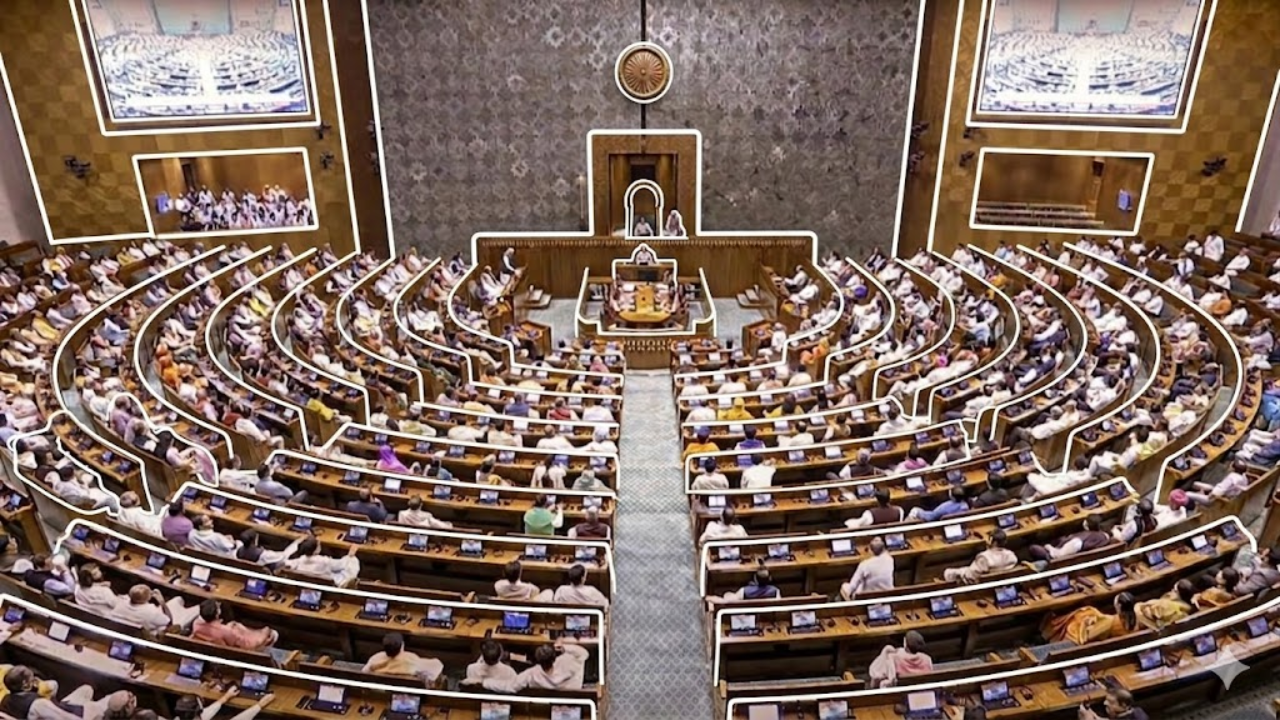
India recently held a significant special session of Parliament to discuss the future of political representation. The main focus was the Women’s Reservation Bill, which aims to set aside one-third of all seats in the Lok Sabha and state assemblies for women. However, this move has opened up a deeper debate about how seats are shared between the Northern and Southern states. While the bill passed with a large majority, its actual start date remains tied to the next census and the redrawing of voting districts.
Main Impact
The biggest impact of this session is the tension it created between different regions of India. Southern states are worried that a new count of the population will lead to them having fewer seats in Parliament compared to the North. Because Southern states have been more successful at controlling population growth, they fear they are being punished for their progress. This has turned a move for gender equality into a complex battle over regional political power.
Key Details
What Happened
The government called a special session to pass the "Nari Shakti Vandan Adhiniyam," also known as the Women's Reservation Bill. The law states that 33% of seats in the lower house of Parliament and state legislative bodies must be reserved for women. While almost every political party supported the idea of more women in politics, the timing of the law became a major point of disagreement. The government linked the start of this reservation to two major events: a new national census and the process of delimitation.
Important Numbers and Facts
The bill proposes that 181 out of the 543 seats in the Lok Sabha be reserved for women. Currently, women make up only about 15% of the house. The last time India redrew its political map was decades ago, and the number of seats has been frozen since the 1970s to prevent states with high birth rates from gaining too much power. If the freeze is lifted, some estimates suggest the total number of seats in the Lok Sabha could rise to over 800, with Northern states like Uttar Pradesh gaining the most.
Background and Context
To understand this issue, it is important to know what "delimitation" means. It is the process of redrawing the boundaries of voting areas so that each representative stands for roughly the same number of people. India’s population has grown unevenly. Northern states have seen a massive increase in people, while Southern states have seen much slower growth due to better education and healthcare. If seats are handed out strictly by population today, the North will dominate the central government, leaving the South with a much smaller voice in national decisions.
Public or Industry Reaction
Political leaders from Southern states have expressed strong concerns. They argue that their success in social development should not lead to a loss of political influence. On the other hand, many women's rights groups are happy that the bill finally passed after being stuck for nearly 30 years, but they are frustrated by the delay. Opposition parties have also demanded a separate quota for women from Other Backward Classes (OBC) to ensure that the reservation helps women from all parts of society, not just the wealthy or well-connected.
What This Means Going Forward
The next steps involve a long waiting period. First, the Indian government must conduct the national census, which was delayed due to the pandemic. After the census data is collected, a Delimitation Commission will be formed to redraw the boundaries of every voting district in the country. This means that women might not actually see the 33% reservation in effect until the 2029 general elections or even later. The government will also have to find a way to balance the North-South divide to ensure that no region feels ignored or unfairly treated.
Final Take
The special session was a historic moment for India, marking a major step toward gender balance in the halls of power. However, it also highlighted the deep regional divisions that exist within the country. The challenge for India’s leaders now is to implement these changes in a way that feels fair to every state. True progress will require more than just passing a law; it will require a careful balance between the rights of women and the political rights of different regions.
Frequently Asked Questions
What is the Women’s Reservation Bill?
It is a law that reserves 33% of seats in the Lok Sabha and state assemblies for women to ensure they have a stronger voice in making laws.
Why is there a conflict between North and South India?
The North has a much larger population than the South. If seats are redistributed based on current population numbers, Northern states will gain more power in Parliament, while Southern states will lose influence.
When will the 33% reservation actually start?
The reservation will only begin after the next census is completed and the voting districts are redrawn. This process is expected to take several years, likely meaning it will not be ready until at least 2029.



