
Summary
The Lok Sabha has officially passed the Constitution (131st Amendment) Bill, marking a major step in the plan to change how women’s reservation is handled in India. The bill received 251 votes in favor and 185 votes against it during a special session of Parliament. This new law aims to ensure that women receive their reserved seats in the legislature before the 2029 general elections. However, the bill links this reservation to the process of redrawing voting districts and increasing the total number of seats in the house.
Main Impact
The biggest impact of this bill is the decision to link women’s reservation with "delimitation." Delimitation is the process of changing the boundaries of voting areas to make sure each representative serves a similar number of people. Under this new plan, the total number of seats in the Lok Sabha will increase significantly to 850. This change means that the entire structure of the Indian Parliament will look very different by the time the 2029 elections arrive. While the government says this will make the reservation more effective, critics argue that linking it to the census and seat increases could cause unnecessary delays.
Key Details
What Happened
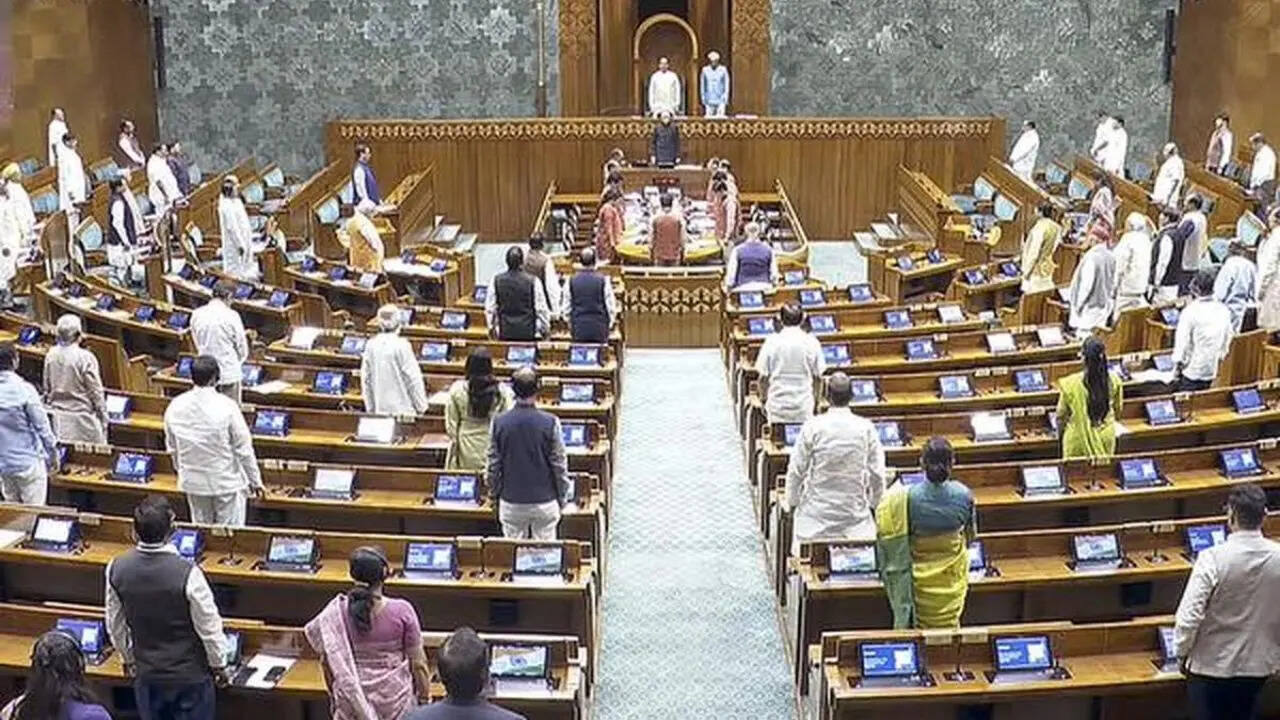
During a special session of Parliament, lawmakers gathered to discuss and vote on the 131st Amendment Bill. This bill was introduced to "tweak" or adjust the existing laws regarding women’s reservation. The government wants to make sure that the 33% quota for women is implemented properly, but they have tied it to a larger plan of expanding the Parliament. After a long debate where many members shared their views, the bill was put to a vote. The majority of the members present supported the move, allowing the bill to pass the Lok Sabha stage.
Important Numbers and Facts
The voting results showed a clear divide in the house. A total of 251 members supported the bill, while 185 members opposed it. One of the most striking parts of the bill is the plan to increase the number of Lok Sabha seats to 850. Currently, the house has 543 elected seats. This increase is a massive jump that will require new infrastructure and planning. The government’s target is to have everything ready so that the women’s quota is active before the 2029 national elections. This timeline depends heavily on completing a national census and the following delimitation process.
Background and Context
The idea of reserving seats for women in India’s Parliament has been discussed for decades. The goal is to give women a stronger voice in making laws for the country. While a law for women's reservation was passed previously, there were questions about when it would actually start. This new amendment tries to answer that by setting a path toward the 2029 elections. To understand this, it is important to know what a census and delimitation are. A census is an official count of every person in the country. Delimitation uses that count to decide how many representatives each state should have. Because India’s population has grown so much, the government believes the number of seats must increase before the reservation can be fairly applied.
Public or Industry Reaction
The reaction to the bill has been mixed. Supporters of the government believe this is a historic move that will finally give women the representation they deserve while also fixing the problem of overcrowded voting districts. They argue that 850 seats will allow for better governance. On the other hand, opposition parties have raised several concerns. They questioned why the reservation must be linked to the census and delimitation. Some leaders argued that the government could implement the quota immediately without waiting for the seats to be redrawn. There are also concerns about the "constitutional validity" of the bill, with some legal experts wondering if these changes follow the basic rules of the Indian Constitution.
What This Means Going Forward
Now that the bill has passed the Lok Sabha, the next steps involve moving it through the rest of the legislative process. The government will need to conduct a national census, which is a huge task that involves counting over a billion people. Once the census is done, the delimitation commission will start redrawing the boundaries of the 850 seats. This process is often controversial because some states might gain more seats than others based on their population growth. For women candidates, this means the 2029 election will be the first time they have a guaranteed 33% of seats, but only if the census and seat-mapping are finished on time. If there are delays in the count, the reservation could potentially be pushed back even further.
Final Take
The passing of the 131st Amendment Bill is a major turning point for Indian politics. It sets a clear, though complicated, path toward increasing women's participation in government. By expanding the Lok Sabha to 850 seats, the government is preparing for a future with more representatives. The real test will be whether the census and the redrawing of districts can happen quickly enough to meet the 2029 deadline. For now, the debate continues on whether this plan is the fastest way to achieve equality or a complicated process that might slow things down.
Frequently Asked Questions
What is the 131st Amendment Bill?
It is a law passed by the Lok Sabha to adjust the women’s reservation quota and link it to the redrawing of voting districts and an increase in the number of seats in Parliament.
Why is the number of seats increasing to 850?
The government plans to increase the seats to match the current population of India. This process, called delimitation, ensures that each member of Parliament represents a fair number of citizens.
When will women get the 33% reservation?
The bill aims to have the reservation ready before the 2029 general elections. However, this depends on completing the national census and redrawing the voting boundaries first.



