
Summary
Prime Minister Narendra Modi recently shared his thoughts on the Women’s Reservation Bill, calling it a major step for the nation. He believes that India is on the verge of making history by giving women a bigger role in the government. This new law aims to reserve seats for women in the highest law-making bodies of the country. By doing this, the government hopes to make the democratic process stronger and more inclusive for everyone.
Main Impact
The primary impact of this development is a total shift in how Indian politics will look in the future. For the first time, there will be a legal requirement to have a specific number of women in the Lok Sabha and state assemblies. This change is expected to bring more balance to the way laws are made. When more women are involved in politics, the issues that affect them directly—such as safety, healthcare, and education—are likely to get more attention. This move is seen as a way to empower half of the population and give them a real voice in how the country is run.
Key Details
What Happened
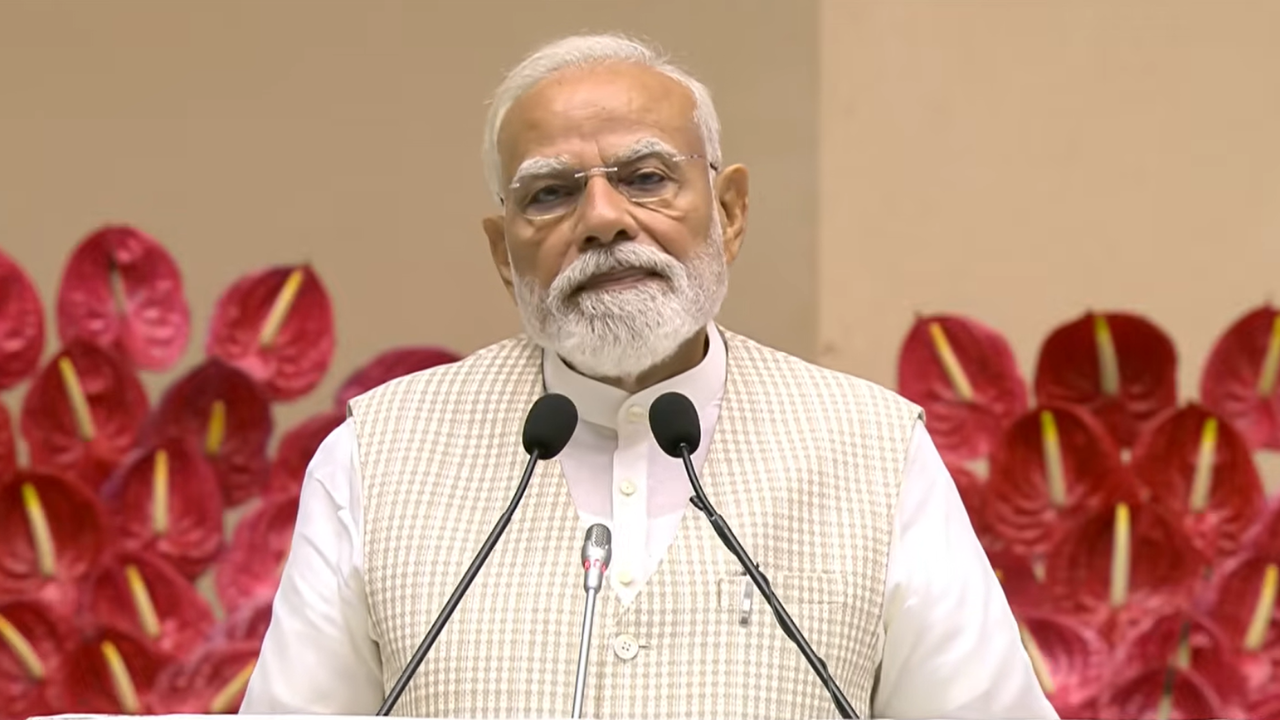
Prime Minister Modi spoke about the importance of the Nari Shakti Vandan Adhiniyam, which is the official name of the Women’s Reservation Bill. He explained that this bill is a sign of the country’s commitment to progress. The Prime Minister noted that for a long time, women have contributed to the country in many ways, but they did not have enough representation in politics. This bill was passed to fix that gap and ensure that women are part of the decision-making process at the national and state levels.
Important Numbers and Facts
The bill sets aside 33 percent of the seats in the Lok Sabha and all state legislative assemblies for women. This means that one out of every three seats will be reserved for female candidates. The law will remain in place for 15 years after it is implemented, though the government can choose to extend it later. It is important to note that the reservation will only start after a new census is completed and the boundaries of voting areas are redrawn. This process is known as delimitation, and it ensures that the seats are distributed fairly across the country.
Background and Context
The idea of reserving seats for women in India is not new. It has been a topic of debate for nearly three decades. Various governments in the past tried to pass similar laws, but they often faced strong opposition from different political groups. Some parties wanted specific quotas within the reservation for different communities, which led to delays. However, the current government managed to get the bill passed with a huge majority in both houses of Parliament. This success is seen as a major political achievement because it finally settles a long-standing demand from women's rights groups and activists across the country.
Public or Industry Reaction
The reaction to the bill has been mostly positive. Many people see it as a victory for gender equality. Women leaders from various fields have praised the move, saying it will inspire more girls to dream of becoming leaders. However, there has also been some criticism regarding the timing. Some opposition leaders and experts are worried about the delay caused by the census and delimitation. They argue that the reservation should have been put into action immediately for the upcoming elections. Despite these concerns, the general feeling is that the law is a step in the right direction for India’s growth.
What This Means Going Forward
Looking ahead, the political world in India will need to prepare for big changes. Political parties will have to find and train many more women to run for office. This could lead to a new generation of leaders who bring fresh ideas to the table. In the long run, this could change the way political campaigns are run and what topics are discussed during elections. There is also a hope that this will encourage more women to participate in local governance and community leadership. The next few years will be focused on the technical steps needed to make the reservation a reality, such as finishing the census and redrawing the voting maps.
Final Take
The Women’s Reservation Bill is more than just a change in the law; it is a promise of a more equal future. By ensuring that women have a seat at the table, India is showing that it values the input and leadership of all its citizens. While there are still steps to be taken before the law is fully active, the path toward a more balanced democracy is now clear. This move will likely be remembered as one of the most significant changes in the history of Indian politics.
Frequently Asked Questions
What is the Women’s Reservation Bill?
It is a law that reserves 33 percent of the seats in the Lok Sabha and state assemblies for women to ensure they have better representation in government.
When will the reservation start?
The reservation will begin after the government completes a new census and a process called delimitation, which involves redrawing the boundaries of voting districts.
How long will the reservation last?
The law is set to last for 15 years once it is implemented, but the Parliament has the power to extend this period if they choose to do so in the future.



