
Summary
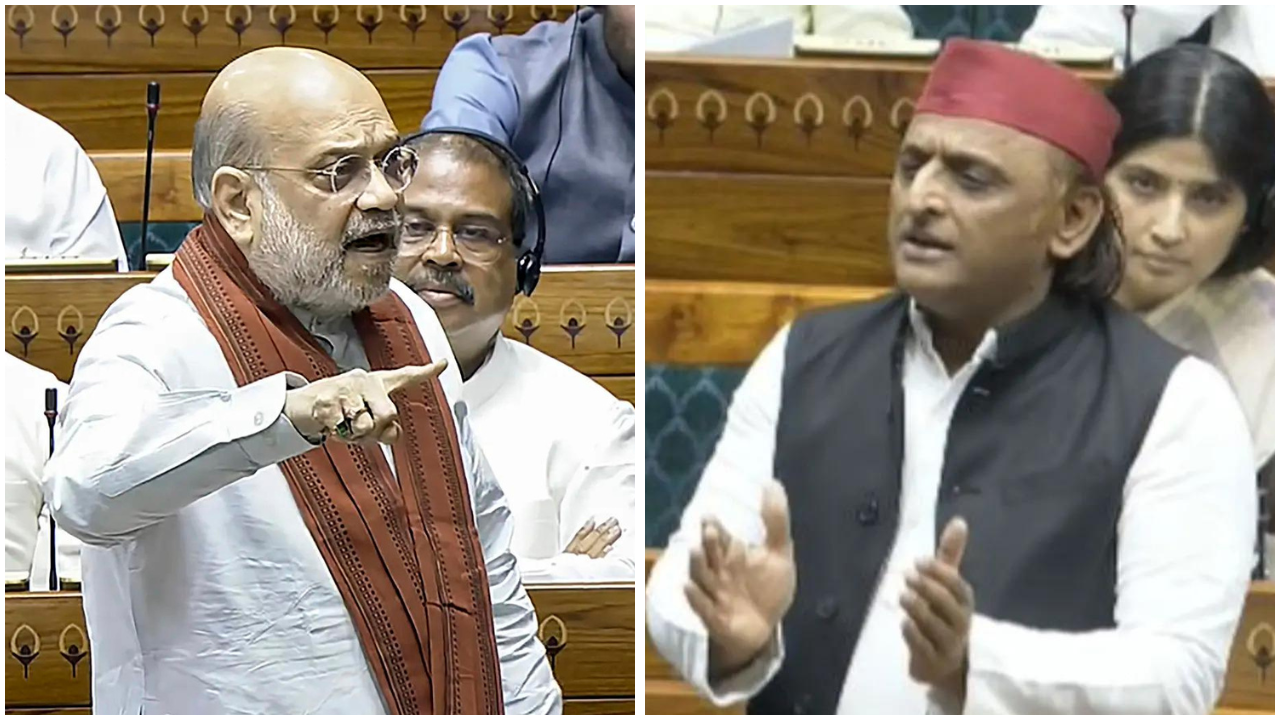
The Indian Parliament is currently the site of a heated debate regarding the implementation of the Women’s Reservation Bill and the process of delimitation. While the government celebrates the passage of the law as a historic move for gender equality, opposition parties are raising serious concerns about the timeline. The main point of contention is that the reservation will only take effect after a new census and the redrawing of voting boundaries. This delay has led to a political standoff, with both sides accusing each other of playing politics with women's rights.
Main Impact
The Women’s Reservation Bill, officially known as the Nari Shakti Vandan Adhiniyam, aims to reserve one-third of the seats in the Lok Sabha and state assemblies for women. This is a major change that could transform the face of Indian politics by bringing thousands of women into leadership roles. However, the immediate impact is stalled because the law is tied to two major administrative tasks: a national census and delimitation.
Because these tasks take years to complete, the reservation will not be active for the current or immediate upcoming election cycles. This has created a sense of frustration among activists and opposition leaders who believe the benefits should be granted immediately. The delay means that the actual shift in political power may not happen until 2029 or even later, leaving the current male-dominated structure in place for now.
Key Details
What Happened
During the recent parliamentary sessions, the central government and the opposition exchanged sharp words over the "waiting period" for the women's quota. The government insists that following the legal process of census and delimitation is the only way to ensure the reservation is fair and legally sound. They argue that redrawing boundaries is necessary to decide which specific seats will be reserved for women without causing regional imbalances.
On the other side, opposition leaders have labeled the bill a "poll gimmick." They argue that if the government was serious about empowering women, they would have implemented the quota using the existing population data. The debate has also touched on the demand for a separate quota for women from Other Backward Classes (OBCs) within the 33% reservation, a move the government has not yet accepted.
Important Numbers and Facts
The bill mandates that 33% of seats in the lower house of Parliament and all state legislative assemblies be set aside for women. Currently, women make up less than 15% of the Lok Sabha, which is much lower than the global average. The last time India conducted a full census was in 2011; the 2021 census was delayed due to the pandemic. Delimitation, which is the process of redrawing the borders of voting districts, is expected to happen only after the next census data is published.
Background and Context
The idea of reserving seats for women in India is not new. It has been debated for nearly thirty years, with various governments trying and failing to pass similar bills since 1996. The main hurdles in the past were disagreements over sub-quotas for different communities and fears among male politicians about losing their seats. The current government succeeded in passing the bill with a massive majority, but the link to delimitation has added a new layer of complexity.
Delimitation is a sensitive topic in India. It involves changing the number of seats each state has based on its population. States in the north, where the population is growing faster, might gain more seats, while states in the south, which have controlled their population growth, fear they will lose political influence. Linking women's reservation to this controversial process has made the timeline even more uncertain.
Public or Industry Reaction
The reaction to the showdown has been split. Many women's rights groups have welcomed the law but expressed deep disappointment over the delay. They argue that women have waited long enough and that the technicalities of a census should not stand in the way of justice. Political analysts note that the government is using the bill to appeal to women voters, who are becoming a powerful and independent voting bloc in India.
Opposition parties, led by the Congress, have been vocal in their criticism. They have held press conferences and protested in the house, demanding that the government "remove the hurdles" and apply the quota now. Meanwhile, supporters of the government praise the Prime Minister for having the courage to pass a law that stayed stuck for decades, regardless of the implementation timeline.
What This Means Going Forward
The next steps depend entirely on the schedule of the national census. Once the census is finished, a Delimitation Commission will be formed to redraw the maps of constituencies. Only after this massive exercise is completed will the 33% reservation become a reality. This means the political battle is likely to continue for several years.
There is also the possibility of legal challenges. Some groups might take the matter to court, asking for the reservation to be unlinked from the census. If the courts intervene, the timeline could change. For now, political parties are likely to use this issue as a major talking point in their election campaigns, with each side trying to prove they are the true champions of women's empowerment.
Final Take
The passage of the Women’s Reservation Bill is a landmark moment in Indian history, but the current showdown in Parliament shows that the road to actual representation is still full of obstacles. While the law exists on paper, the real change will only be felt when women actually occupy those seats. Until then, the debate over "when" and "how" will continue to dominate the political conversation, leaving the promise of equality partially unfulfilled.
Frequently Asked Questions
What is the Women’s Reservation Bill?
It is a law that reserves 33% of the seats in India's Lok Sabha and state assemblies for women to ensure better representation in government.
Why is there a delay in starting the reservation?
The law states that the reservation will only begin after a new census is conducted and the boundaries of voting districts are redrawn through a process called delimitation.
What is the opposition's main complaint?
The opposition wants the reservation to be implemented immediately without waiting for the census. They also want a specific sub-quota for women from Other Backward Classes (OBCs).



