
Summary
The Indian government and opposition parties are currently in a heated debate over the Women’s Reservation Bill, also known as the Nari Shakti Vandan Adhiniyam. This law aims to reserve 33 percent of seats in the Lok Sabha and state assemblies for women. While there is broad support for the idea of giving women more political power, a major disagreement has broken out over when the law will actually start. The government says the quota can only happen after a new census and a process called delimitation, while the opposition demands it be put into action immediately.
Main Impact
The main impact of this bill is a massive shift in how India will be governed in the future. If the law is fully implemented, at least 181 seats in the Lok Sabha will be held by women. This would be the highest number of female representatives in India's history. However, the immediate impact is limited because of the conditions attached to the bill. Because the reservation is tied to the next census and the redrawing of voting districts, the changes will not take effect for the upcoming national elections. This has led to concerns that the benefits for women might be delayed by several years.
Key Details
What Happened
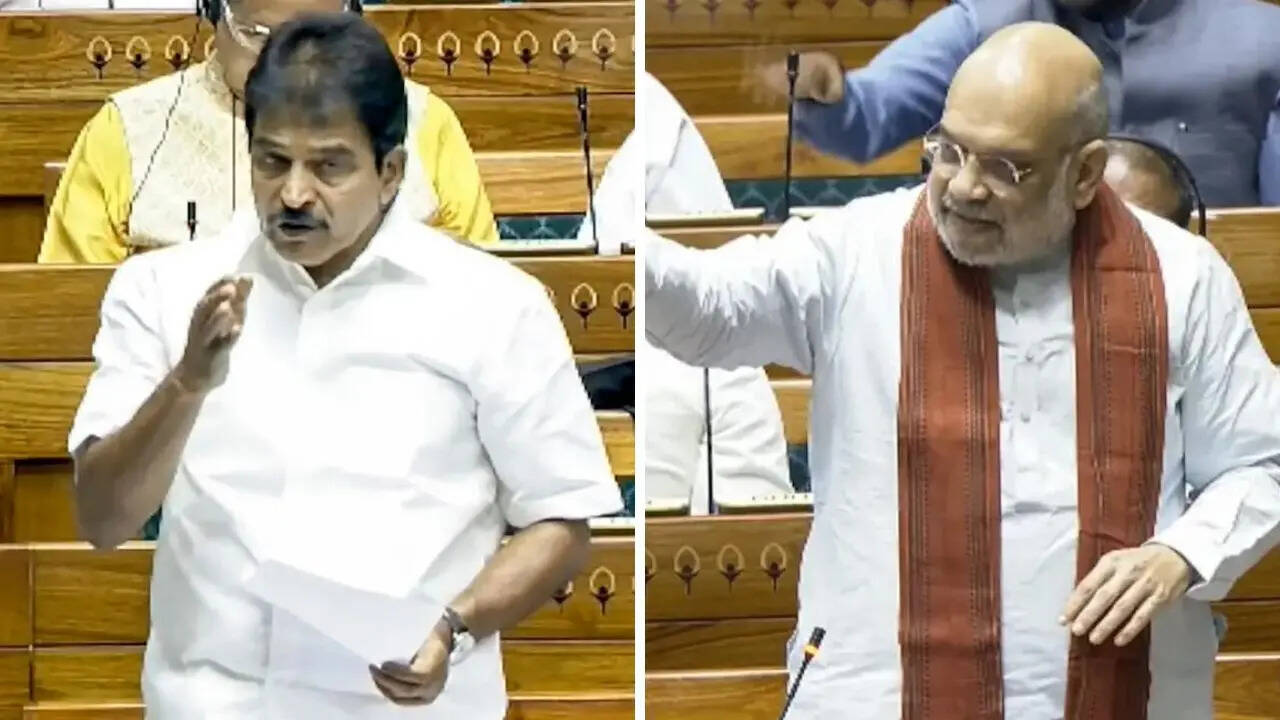
During a special session of Parliament, the government introduced the bill to give women a guaranteed share of seats in legislative bodies. The move was presented as a historic step toward gender equality. However, the debate quickly turned into a political fight. Opposition leaders argued that the government is using technical steps, like the census, to delay the law. They believe the government could have implemented the quota using existing data. On the other hand, the government maintains that following the legal process of redrawing boundaries is necessary to ensure the law is fair and follows the Constitution.
Important Numbers and Facts
The bill proposes a 33 percent reservation for women in the Lok Sabha, all state legislative assemblies, and the Delhi Assembly. This reservation will last for a period of 15 years once it begins, though Parliament can choose to extend it later. Currently, women make up only about 15 percent of the Lok Sabha. The new law would more than double that number. Another key point of the debate is the "quota within a quota." Some parties are asking for a specific portion of these reserved seats to be set aside for women from Other Backward Classes (OBCs), similar to how seats are already set aside for Scheduled Castes and Scheduled Tribes.
Background and Context
The fight for women's reservation in India has been going on for nearly thirty years. Several past governments tried to pass similar bills, but they always faced strong opposition from different political groups. Some groups feared that a women's quota would take away seats from traditional male politicians or specific communities. This time, the bill has much more support, but the timing is the new problem. A census is a count of every person in the country, and it was supposed to happen in 2021 but was delayed because of the global health crisis. Delimitation is the process of changing the boundaries of voting areas so that each representative has roughly the same number of voters. The government insists these two steps must happen first so that the new seats are distributed fairly based on the latest population numbers.
Public or Industry Reaction
The reaction to the bill has been a mix of praise and frustration. Women's rights groups have mostly welcomed the bill, calling it a long-overdue victory for equality. They believe that having more women in power will lead to better laws regarding safety, education, and healthcare. However, political analysts and opposition members are skeptical about the timeline. Some critics have called the bill an "election stunt" because it promises change but does not deliver it right away. Leaders from various opposition parties have held press conferences to ask why the government waited until now to introduce the bill if they knew the census would cause a delay. They are pushing for an amendment that would remove the census requirement and include a specific quota for OBC women.
What This Means Going Forward
Looking ahead, the path to seeing more women in Parliament depends on how fast the government can complete the census. Once the census data is collected, a Delimitation Commission will be formed to redraw the map of voting districts across India. This is a very large and complicated task that can take a long time to finish. Most experts believe that the 33 percent reservation will not be ready until the 2029 general elections. In the meantime, political parties will be under pressure to nominate more women candidates voluntarily, even without a law forcing them to do so. The debate over the OBC quota is also likely to continue, as it has become a major talking point for parties trying to win over voters from those communities.
Final Take
The Women’s Reservation Bill is a major milestone for Indian democracy, but it is currently stuck between a promise and a reality. While the legal framework is being built, the actual change in the halls of power is still years away. The success of this law will not be measured by its passage in Parliament, but by how quickly the government moves to finish the census and the boundary changes. For now, the debate serves as a reminder that while everyone agrees on the goal of equality, the path to getting there is still full of political hurdles.
Frequently Asked Questions
What is the main goal of the Women’s Reservation Bill?
The goal is to reserve one-third (33 percent) of the seats in the Lok Sabha and state assemblies for women to ensure they have a stronger voice in making laws.
Why is the census important for this bill?
The government says a census is needed to get updated population numbers. These numbers are used to redraw voting districts, which determines where the reserved seats for women will be located.
When will the 33 percent reservation actually start?
It is unlikely to start before the 2029 national elections. The law requires a census and a boundary-redrawing process to happen first, both of which take a lot of time to complete.



