
Summary
Former President Pratibha Patil has reached out to Prime Minister Narendra Modi to share her strong support for the Women’s Reservation Bill. In a personal letter, she called the new law a major step forward for India. This law, officially known as the Nari Shakti Vandan Adhiniyam, aims to give women more power in the country's political system. Patil, who was India’s first female president, believes this change will help create a more balanced and fair government for everyone.
Main Impact
The biggest impact of this law is the guaranteed space it creates for women in politics. For a long time, women have struggled to get equal representation in the halls of power. By setting aside specific seats for them, the government is ensuring that women’s voices are heard when important decisions are made. This move is expected to change how laws are written, as more women will now be able to focus on issues like education, healthcare, and social safety from a first-hand perspective.
Key Details
What Happened
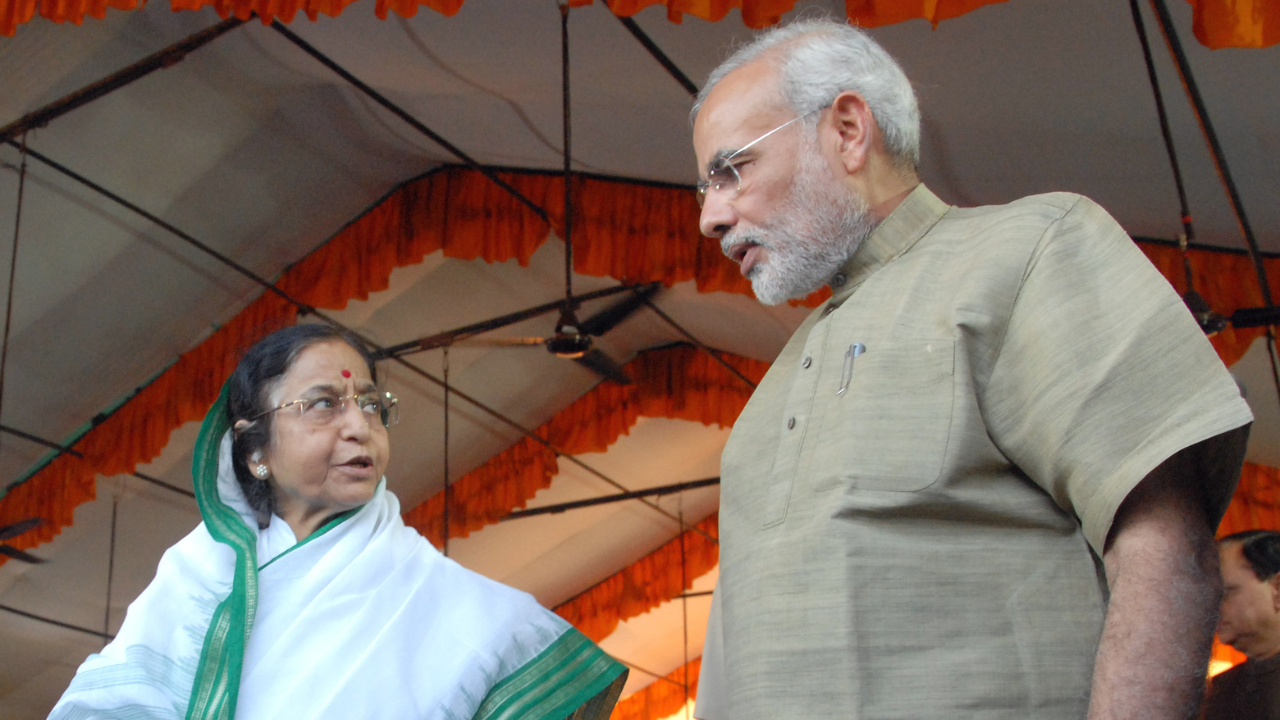
Pratibha Patil, who served as the President of India from 2007 to 2012, wrote a formal letter to the Prime Minister. In her message, she praised the government for passing the bill in Parliament. She noted that this was a goal many leaders had worked toward for a long time. Her support is seen as very important because of her own history as a pioneer for women in Indian leadership. She expressed that seeing this bill become a reality was a proud moment for the nation.
Important Numbers and Facts
The Women’s Reservation Bill is designed to reserve 33 percent of the seats in the Lok Sabha and all state legislative assemblies for women. This means that out of every three seats, one must be held by a woman. The bill was passed during a special session of Parliament with nearly unanimous support from different political parties. This was a rare moment of agreement in Indian politics, showing how important the issue has become.
Background and Context
The idea of reserving seats for women in India is not new. It has been discussed and debated for nearly 30 years. Previous governments tried to pass similar laws several times, but they often faced strong opposition or technical delays. Before this law, women only held a small percentage of seats in Parliament, which did not match their share of the total population. Pratibha Patil’s role in this conversation is significant because she broke the highest glass ceiling in the country when she became president. Her endorsement reminds the public that while progress has been made, formal laws are needed to make equality permanent.
Public or Industry Reaction
The reaction to the bill and Patil’s letter has been mostly positive. Women’s rights groups have celebrated the news, calling it a victory after decades of waiting. Many young women who want to enter politics feel more confident that they will have a fair chance to lead. However, some people have raised questions about when the law will actually start. Because the reservation is tied to a new census and a process called delimitation—which means redrawing the boundaries of voting areas—it may take a few years before the first "reserved" elections happen. Despite these questions, the general feeling is one of hope and progress.
What This Means Going Forward
Looking ahead, the focus will shift to how political parties prepare for this change. Parties will need to find and train more female candidates to fill these seats. This could lead to a big shift in how political campaigns are run and what topics are prioritized. The next few years will involve a lot of technical work, such as counting the population and deciding which specific seats will be reserved for women. Once these steps are finished, the face of Indian politics will look very different, with hundreds of more women taking part in the highest levels of law-making.
Final Take
Pratibha Patil’s letter highlights a turning point in India’s history. By supporting the Women’s Reservation Bill, she is passing the torch to a new generation of female leaders. This law is more than just a set of rules; it is a promise that the future of the country will be shaped by men and women working together as equals. While the technical process of starting the reservation will take time, the path toward a more inclusive government is now clearly marked.
Frequently Asked Questions
What is the Women’s Reservation Bill?
It is a law that sets aside 33 percent of the seats in India’s Parliament and state assemblies specifically for women to ensure they have a fair say in government.
Why did Pratibha Patil write to PM Modi?
As India’s first woman president, she wanted to express her support and praise the government for taking a major step toward gender equality in politics.
When will the reservation start?
The reservation will begin after the government completes a new population count (census) and redraws the boundaries of voting districts, which may take several years.



