
Summary
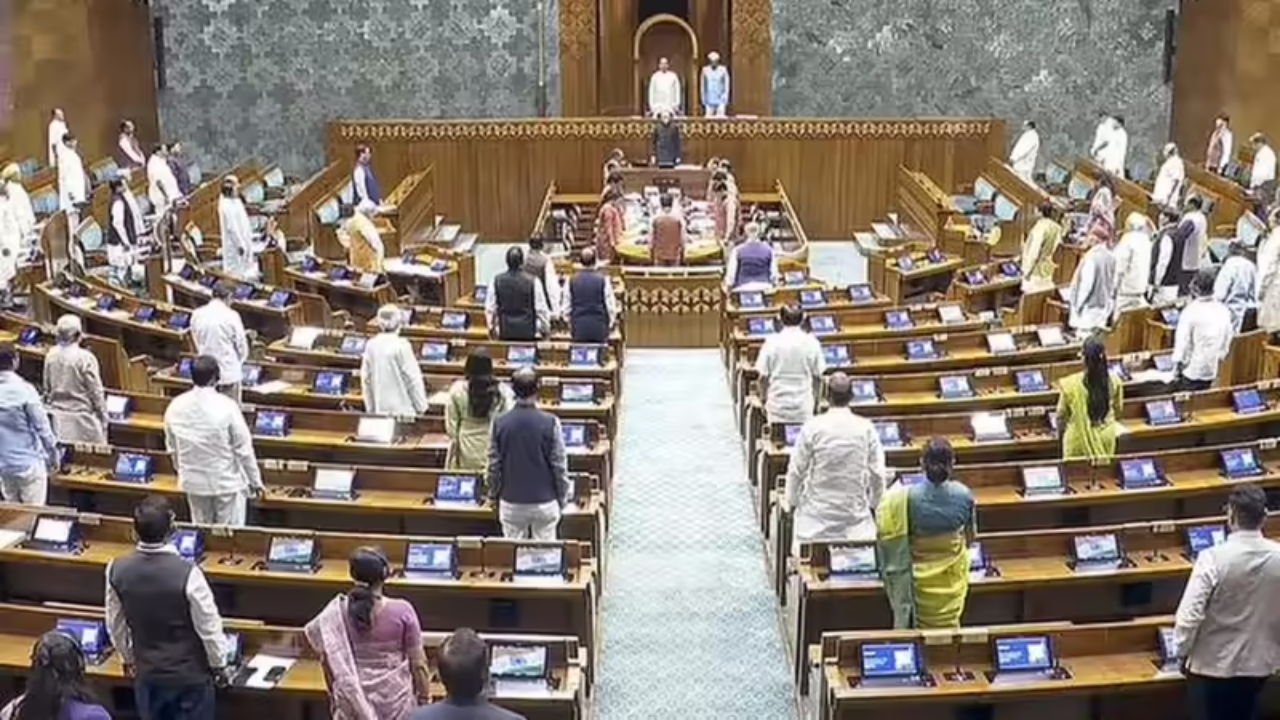
The Lok Sabha is currently focusing on three major bills that will change how elections work in India. These discussions center on the implementation of women’s reservation and the redrawing of voting districts, known as delimitation. These changes are vital because they will decide how many representatives each state gets and ensure more women have a seat in the government. The decisions made today will shape the future of Indian democracy for the next several decades.
Main Impact
The primary impact of these bills is a total shift in the makeup of the Indian Parliament. By reserving one-third of all seats for women, the government aims to bring more balance to law-making. However, this change is tied to the census and the redrawing of constituency boundaries. This means the actual number of seats in the Lok Sabha could increase significantly, changing the political power balance between different states based on their current population sizes.
Key Details
What Happened
Today’s session in the Lok Sabha is dedicated to clearing the path for the Nari Shakti Vandan Adhiniyam, also known as the Women’s Reservation Bill. While the bill was passed previously, it cannot be put into action until two major steps are completed: a new national census and a delimitation exercise. The government is now presenting the framework for how these two massive tasks will be carried out. This involves setting up a commission to look at population data and decide where new voting boundaries should be drawn.
Important Numbers and Facts
The Women’s Reservation Bill mandates that 33% of seats in the Lok Sabha and state assemblies be kept for women. Currently, the number of seats in the Lok Sabha is based on population data from the 1971 census, which is over 50 years old. Since then, India’s population has grown and shifted. Experts predict that after the new delimitation process, the total number of seats in the Lok Sabha could rise from 543 to over 700 or even 800. This expansion is necessary to ensure that each Member of Parliament represents a fair number of citizens.
Background and Context
To understand why these bills are so important, we have to look at how representation works. For a long time, women have been underrepresented in Indian politics, holding only a small fraction of seats. The push for a reservation bill lasted for nearly three decades before it finally gained enough support to pass. At the same time, the "freeze" on the number of seats in Parliament is set to end in 2026. This freeze was put in place years ago to encourage states to control population growth without losing political power. Now that the freeze is ending, the government must update the numbers to reflect where people live today.
Public or Industry Reaction
The reaction to these bills has been a mix of support and concern. Most political parties agree that women need more representation, but there is a heated debate about the timing. Some opposition leaders argue that the reservation should start immediately, without waiting for the census. There is also significant worry from southern states. These states have been successful in slowing their population growth. They fear that if seats are distributed strictly by population, northern states with higher birth rates will gain many more seats, leaving the south with less influence in national decisions.
What This Means Going Forward
The next steps involve a massive administrative effort. First, the government must conduct the national census, which was delayed previously. Once the data is collected, a Delimitation Commission will be formed. This commission will include retired judges and election officials who will draw the new maps for voting districts. This process will likely take a few years to complete. Voters can expect to see new constituencies and a much larger ballot in future elections. The goal is to have these changes ready before the next major national election cycle.
Final Take
India is moving toward a more inclusive and updated political system. While the technical process of counting people and drawing lines on a map is complicated, the core goal is fairness. By including more women and updating seat counts to match the current population, the government is trying to make sure that every citizen has a voice that is heard equally in the halls of power. The success of these bills will depend on how well the government balances the interests of different states while fulfilling the promise of gender equality.
Frequently Asked Questions
What is delimitation?
Delimitation is the process of redrawing the boundaries of voting districts to make sure each representative serves roughly the same number of people. This happens as the population grows or moves to different areas.
Why is the Women’s Reservation Bill delayed?
The law states that the 33% reservation can only start after a new census is conducted and the voting boundaries are redrawn based on that census data. These steps take time to complete accurately.
Will some states lose power because of these bills?
There is a concern that states with smaller populations might have fewer representatives compared to states with very large populations. The government is currently discussing ways to make sure no state feels ignored during this process.



