
Summary
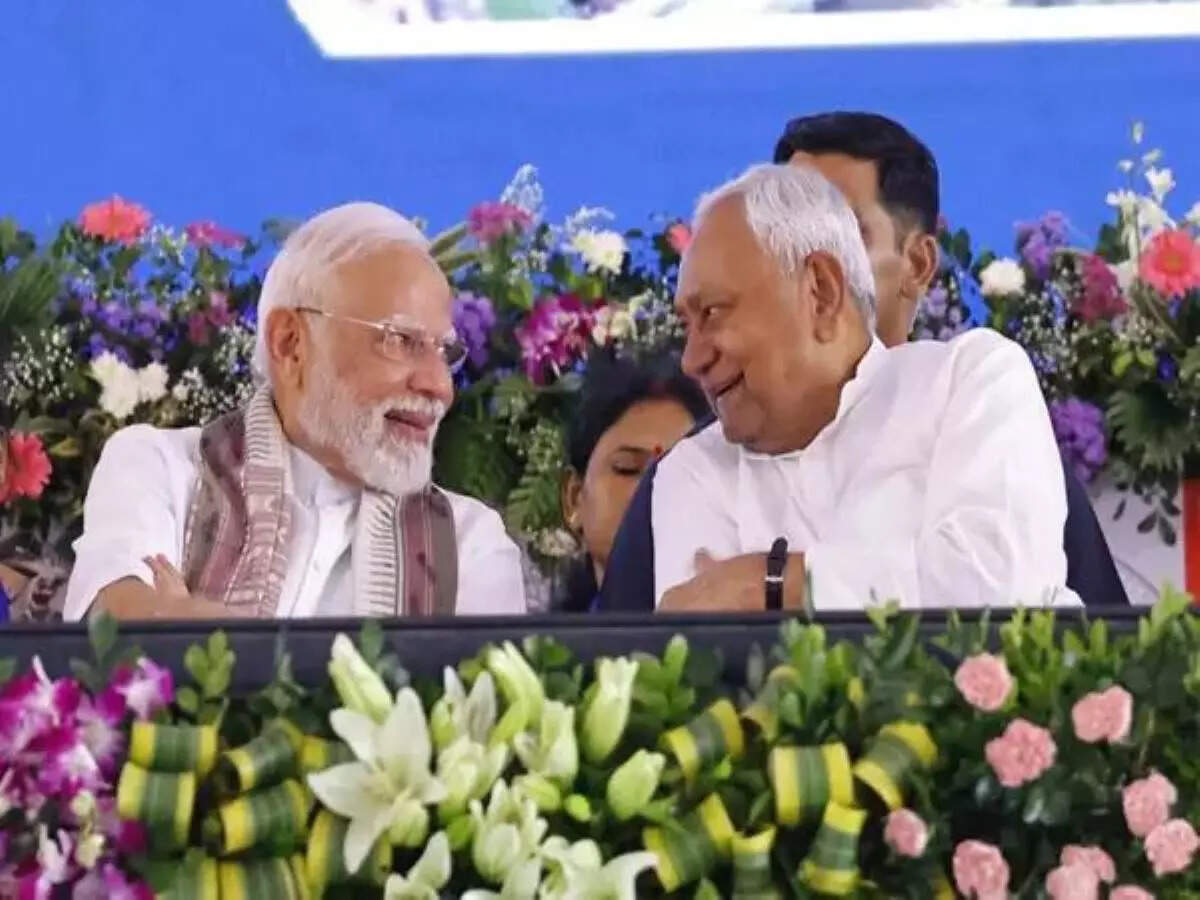
Prime Minister Narendra Modi has shared his warm wishes for Nitish Kumar following his election to the Rajya Sabha. The Prime Minister noted that it would be a great experience to see the veteran leader back in the halls of Parliament. This move marks a significant shift for Nitish Kumar, who has spent many years serving as the Chief Minister of Bihar. His transition to the Upper House of Parliament is seen as a major step in national politics and strengthens the bond between the ruling parties.
Main Impact
The move of Nitish Kumar to the Rajya Sabha has a direct impact on both state and national politics. By moving to New Delhi, Kumar brings decades of administrative experience to the central government's legislative body. This change helps the National Democratic Alliance (NDA) by placing a highly respected and experienced leader in a position where he can influence national policy. It also signals a new chapter for the state of Bihar, as the long-standing leader takes on a broader role in the country’s capital.
Key Details
What Happened
Nitish Kumar, a key figure in Indian politics and the leader of the JD(U), has officially become a Member of Parliament in the Rajya Sabha. Following this development, Prime Minister Narendra Modi expressed his excitement and support. The Prime Minister highlighted that Kumar’s presence in Parliament would be beneficial for the country. This transition comes after a long career where Kumar served multiple terms as the head of the Bihar government. His move to the Rajya Sabha was completed through the standard election process for the Upper House, where state legislators vote for their representatives.
Important Numbers and Facts
Nitish Kumar has served as the Chief Minister of Bihar for nearly 20 years across different terms. He has been a dominant force in the state since the mid-2000s. The Rajya Sabha, also known as the Council of States, consists of 245 members who represent the interests of India's states and union territories. Members are elected for six-year terms. Kumar’s return to the national stage is significant because he previously served as a Union Minister in the late 1990s and early 2000s, holding important portfolios like Railways and Agriculture. His return to Parliament marks a full circle in his long political journey.
Background and Context
To understand why this matters, one must look at the history of Bihar politics. Nitish Kumar is often called "Sushasan Babu," which means a leader of good governance. He is credited with improving roads, schools, and law and order in Bihar after a period of high crime and slow growth. Over the years, his party, the JD(U), has moved in and out of alliances. Currently, he is a vital partner for the BJP within the NDA. Moving a leader of his stature to the Rajya Sabha often suggests a strategic plan to use his wisdom for national issues while allowing new leadership to grow within the state.
The Rajya Sabha is different from the Lok Sabha. While the Lok Sabha is elected directly by the people, the Rajya Sabha represents the states. Having a former Chief Minister in this house is valuable because they understand the specific needs and challenges that states face when dealing with the central government. This move ensures that Bihar’s voice remains strong in the national conversation.
Public or Industry Reaction
The reaction to this news has been largely positive within the NDA. Many BJP leaders have joined the Prime Minister in welcoming Kumar, noting that his deep knowledge of rural development and social issues will help the government. Supporters of the JD(U) see this as a promotion for their leader, viewing it as a way for him to contribute to the entire country. On the other hand, opposition parties are watching closely. Some political experts suggest that this move might be a way to settle internal leadership questions in Bihar, preparing the ground for a successor to take over the Chief Minister's role in the future.
What This Means Going Forward
Looking ahead, Nitish Kumar’s presence in the Rajya Sabha will likely lead to more focused discussions on state-center relations. He is expected to be a key voice in debates regarding infrastructure, agriculture, and social justice. For Bihar, this move starts a period of transition. The state will need to look toward its next generation of leaders to carry on the work started by Kumar. At the national level, the NDA will benefit from having a senior leader who can help build consensus among different political groups. His experience in managing complex coalitions will be a major asset for the government during the upcoming parliamentary sessions.
Final Take
Nitish Kumar’s move to the Rajya Sabha is more than just a change in job title. It represents the continued evolution of a leader who has shaped the history of one of India's most populous states. By bringing his expertise to the national stage, he adds weight to the Parliament’s discussions. Prime Minister Modi’s public support shows a unified front for the ruling alliance, suggesting that the veteran leader will play a crucial role in the country’s legislative future. As he steps into this new role, the focus will remain on how his experience can help solve national challenges while maintaining stability in his home state.
Frequently Asked Questions
What is the Rajya Sabha?
The Rajya Sabha is the Upper House of India's Parliament. Its members are elected by the members of State Legislative Assemblies. It represents the interests of the states at the national level.
Why did Nitish Kumar move to the Rajya Sabha?
Nitish Kumar moved to the Rajya Sabha to take on a national role in Parliament. This allows him to use his long experience as a Chief Minister to influence national laws and policies while staying active in the ruling alliance.
What was PM Modi's reaction to this move?
Prime Minister Narendra Modi congratulated Nitish Kumar and said it would be a pleasure to see him in Parliament again. He expressed that Kumar's presence would be a positive addition to the national legislative body.



