
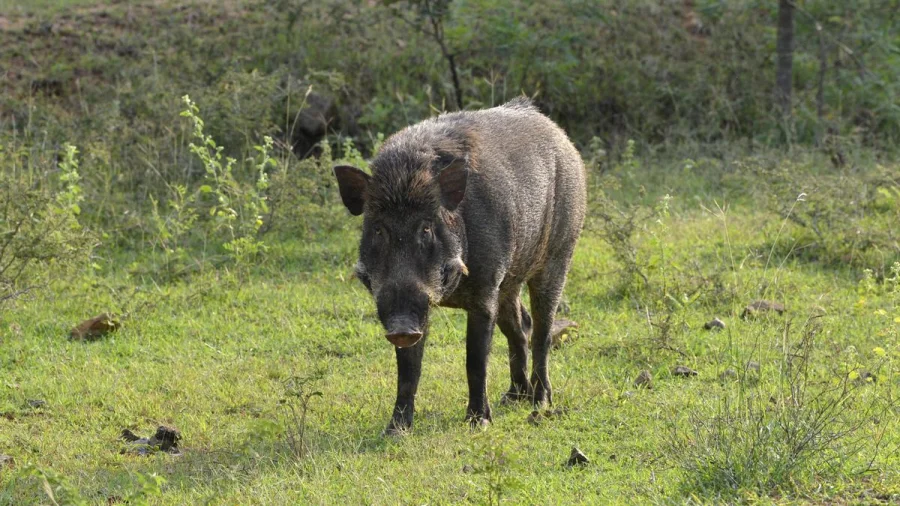
Ten wild boar carcasses in two weeks. One panchayat. And a community asking a simple question: what is happening here? In Vorkady, a village panchayat in Kerala's Kasaragod district, the unexplained deaths of the animals have moved from a forest-side curiosity to a public worry — with residents now pressing authorities to remove and safely dispose of the carcasses before they become a health hazard.
A quiet village, an unsettling discovery
According to the initial report, carcasses of 10 wild boars have been found in Vorkady panchayat over the past two weeks. The exact locations within the panchayat and the condition of the carcasses have not been detailed in the available information. What is clear is the pattern: roughly two weeks, ten dead animals — a sequence that has not gone unnoticed by people living nearby.
Why carcass disposal is more than a cleanliness issue
Residents are not simply asking for the area to be cleared. Their appeal to authorities is specific: ensure the carcasses are safely disposed of to prevent any possible health risk. Decomposing animal bodies can attract scavengers, contaminate soil and water, and in some cases carry pathogens that affect other wildlife or domestic animals. Public health guidance generally recommends prompt, controlled disposal in such situations — though no official assessment has been shared in this case.
Two weeks, ten carcasses: what the timeline suggests
The report indicates the carcasses were discovered over a two-week period, suggesting the deaths did not happen in a single event. That distinction matters. A cluster of deaths occurring together could point to one cause — poisoning, disease, or an accident. Deaths spread across days may indicate a different pattern altogether. At this stage, no investigation has confirmed which scenario applies.
Who is affected — and what residents fear
For residents of Vorkady, the concern is practical. The panchayat sits in a district where forest and farmland often exist close together, and wild boar movement near human settlements is not uncommon in Kerala's border regions. The presence of dead animals near where people live and work raises everyday questions: Is the water safe? Is it safe for children to play outdoors? Could domestic animals be at risk? Without official communication, residents are left with worry and unanswered questions.
What authorities have been asked to do
According to the report, residents have urged authorities to ensure the safe disposal of the carcasses. As of now, no official statement confirming the cause of death, a disposal plan, or the launch of an investigation has been publicly available. The absence of a public response does not mean none exists — but it does mean the affected community has not yet received a clear explanation.
What could have killed the boars — and why it is too early to say
Several possibilities exist: disease, poisoning, natural causes, or injury. Some wild boar deaths in India have been linked to infectious diseases that can spread rapidly among wild pig populations. However, nothing in the available report suggests a confirmed diagnosis. Speculation before veterinary examination would be irresponsible. The responsible next step is a proper investigation, including testing of carcasses where feasible.
Confirmed facts vs open questions in the Vorkady wild boar deaths
What is confirmed by the original report: 10 wild boar carcasses were found in Vorkady panchayat over roughly two weeks, and residents have asked for their safe disposal to avoid health risks. What remains unclear: the cause of death, the exact date of each discovery, whether forest or veterinary officials have inspected the site, and whether laboratory tests have been or will be conducted. These details may emerge as authorities respond.
Public health risks and the questions residents are asking
It would be wrong to assume danger where none is confirmed. It would be equally wrong to dismiss public caution. The balanced view is this: dead wildlife in a populated area is always worth examining, and residents have every right to ask for swift, transparent action. The risk is not proven — but neither is the absence of risk. That is precisely why an official response matters.
Wild boar conflict in Kerala: a familiar backdrop
Kerala has seen recurring friction between humans and wild boars in recent years. Crop raids, property damage and occasional injuries have made wild boar management a sensitive subject in the state. While this particular incident in Vorkady is about dead animals rather than crop damage, it sits against that broader backdrop of human-wildlife proximity. Whether these deaths are linked to any wider phenomenon is unknown and should not be assumed.
What residents and local authorities should do now
For residents: avoid touching or approaching the carcasses, keep children and domestic animals away, and report any additional sightings to local authorities. For officials: secure the site, arrange prompt disposal following standard forest or veterinary department protocols, and communicate clearly with the public once findings are available. Transparency will help prevent rumours and reduce public anxiety.
Where the situation could go next
If officials determine a disease cause, the response could extend beyond disposal — possibly including surveillance of wildlife in the surrounding area. If poisoning is suspected, questions may arise about human activity near the site. If natural causes are found, the incident may close with a warning. The next few days are likely to be decisive. Residents will be watching for one thing above all: a clear, credible answer.
Our Take
This is a small incident that carries a large message. Ten carcasses in a fortnight is not a normal occurrence in a single panchayat, and the public's instinct to demand safe disposal is sensible, not alarmist. The bigger test is institutional. How quickly and how transparently authorities respond will determine whether this remains a local wildlife matter or becomes a public trust issue. The facts available are thin. The obligation on officials to provide clarity is not.
Frequently Asked Questions
How many wild boars were found dead in Kasaragod?
Carcasses of 10 wild boars were found in Vorkady panchayat in Kerala's Kasaragod district over a two-week period, according to the initial report.
Why are residents concerned about the wild boar carcasses?
Residents have urged authorities to ensure the carcasses are safely disposed of to prevent any possible health risk, including contamination or disease spread from decomposing animals.
What caused the deaths of the wild boars in Vorkady?
The cause of death has not been officially confirmed. Disease, poisoning and natural causes remain possibilities, but no investigation findings have been publicly released so far.
What should people do if they see a dead wild boar?
Avoid touching or approaching the carcass, keep children and domestic animals away, and inform the local panchayat or forest department so it can be handled safely.



