
Summary
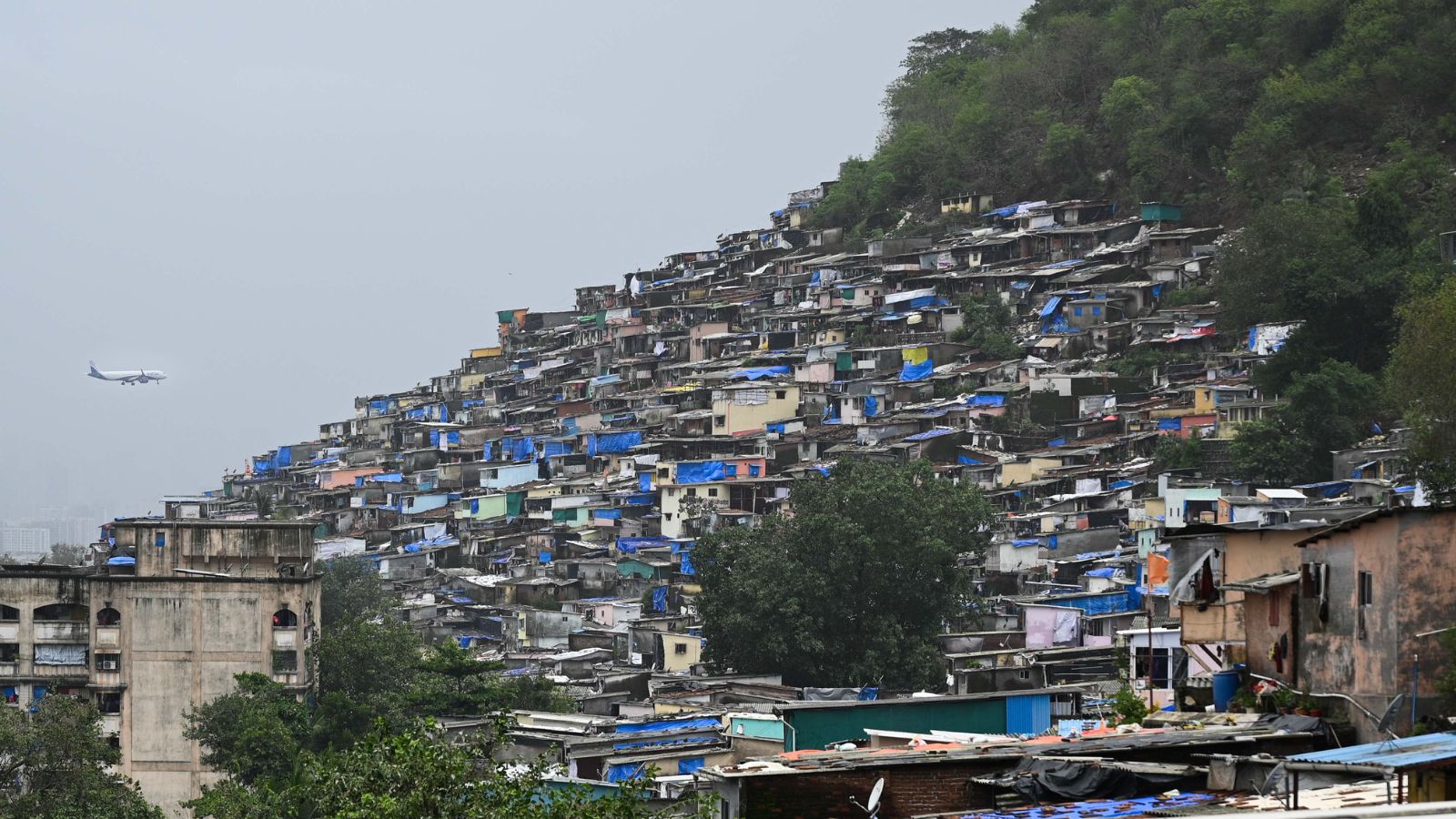
Families living in landslide-prone areas of Mumbai are refusing to leave their homes despite repeated warnings from authorities. The city's monsoon season brings deadly landslides every year, yet many residents choose to stay. For these families, the risk of losing their home is less frightening than the risk of losing their community, livelihood, and way of life. Officials say relocation is difficult because people have deep emotional and economic ties to these neighborhoods.
Main Impact
The refusal to leave landslide-prone homes creates a serious safety challenge for Mumbai's civic authorities. Every monsoon season, heavy rains trigger landslides that kill dozens of people in informal settlements built on hillsides and unstable ground. Despite government efforts to move families to safer housing, most residents stay put. This means the city must find new ways to reduce risk without forcing people out of their homes.
Key Details
What Happened
In recent weeks, Mumbai has seen heavy rainfall that has caused landslides in several areas. Authorities have issued evacuation orders for families living in high-risk zones. But many residents have ignored these orders and remained in their homes. Local officials say they cannot force people to leave because there are not enough alternative housing options.
Important Numbers and Facts
Mumbai receives an average of 2,200 millimeters of rain during the monsoon season from June to September. Landslides have killed more than 100 people in the city over the past decade. An estimated 300,000 families live in informal settlements on hillsides and other unstable land. The government has built about 50,000 new homes for relocation, but many are far from the city center where people work.
Background and Context
Mumbai is one of the most crowded cities in the world. Millions of people live in slums and informal housing because they cannot afford formal apartments. Many of these homes are built on land that is not safe for construction, such as steep hillsides or areas near drainage channels. During the monsoon, the ground becomes soft and can slide, causing houses to collapse. The city government has known about this problem for years but has struggled to find a solution that works for everyone.
Public or Industry Reaction
Residents say they understand the danger but feel they have no choice. One woman living in a landslide-prone area told reporters, "Risk is not a stranger to us. We have lived with it our whole lives. But where would we go?" Community leaders argue that relocation programs often fail because they do not consider people's jobs, schools, and social networks. Urban planners and disaster experts agree that simply moving people is not enough. They say the city needs to invest in better drainage, retaining walls, and early warning systems.
What This Means Going Forward
The situation in Mumbai shows that disaster risk is not just a technical problem. It is also a social and economic problem. People will not leave their homes unless they have a safe and affordable place to go that allows them to keep their jobs and community. Going forward, the city must work with residents to find solutions that reduce risk without destroying lives. This could include making existing homes safer, improving drainage, and creating better early warning systems. The government also needs to build more relocation housing in areas where people can still access work and schools.
Final Take
Mumbai's landslide problem will not be solved by evacuation orders alone. The city must address the deeper reasons why people stay in dangerous homes. Until there are real alternatives that respect people's lives and livelihoods, families will continue to choose risk over displacement. The challenge for authorities is to make safety possible without forcing people to give up everything they have.
Frequently Asked Questions
Why do people stay in landslide-prone homes in Mumbai?
Most families stay because they cannot afford safer housing elsewhere. They also have strong ties to their community, jobs, and schools in the area. Relocation programs often offer homes far from the city center, which would make it hard for people to earn a living.
What is the government doing to prevent landslides in Mumbai?
The government has built retaining walls, improved drainage systems, and set up early warning systems. It has also built some new housing for relocation. But these efforts have not been enough to solve the problem, and many high-risk areas remain unprotected.
How many people are affected by landslides in Mumbai each year?
Landslides kill dozens of people every monsoon season. Over the past decade, more than 100 people have died. Hundreds of thousands of families live in areas that are considered high-risk for landslides during heavy rain.



