
Summary
Thousands of commuters on Mumbai’s Western Railway faced a difficult day after a major technical failure. A breakdown in the overhead power lines between Bhayandar and Naigaon stations caused a complete halt in services on some tracks. This incident led to the cancellation of 15 to 20 train services and caused long delays for many others. The disruption affected the daily routine of office-goers and students who rely on the local train network.
Main Impact
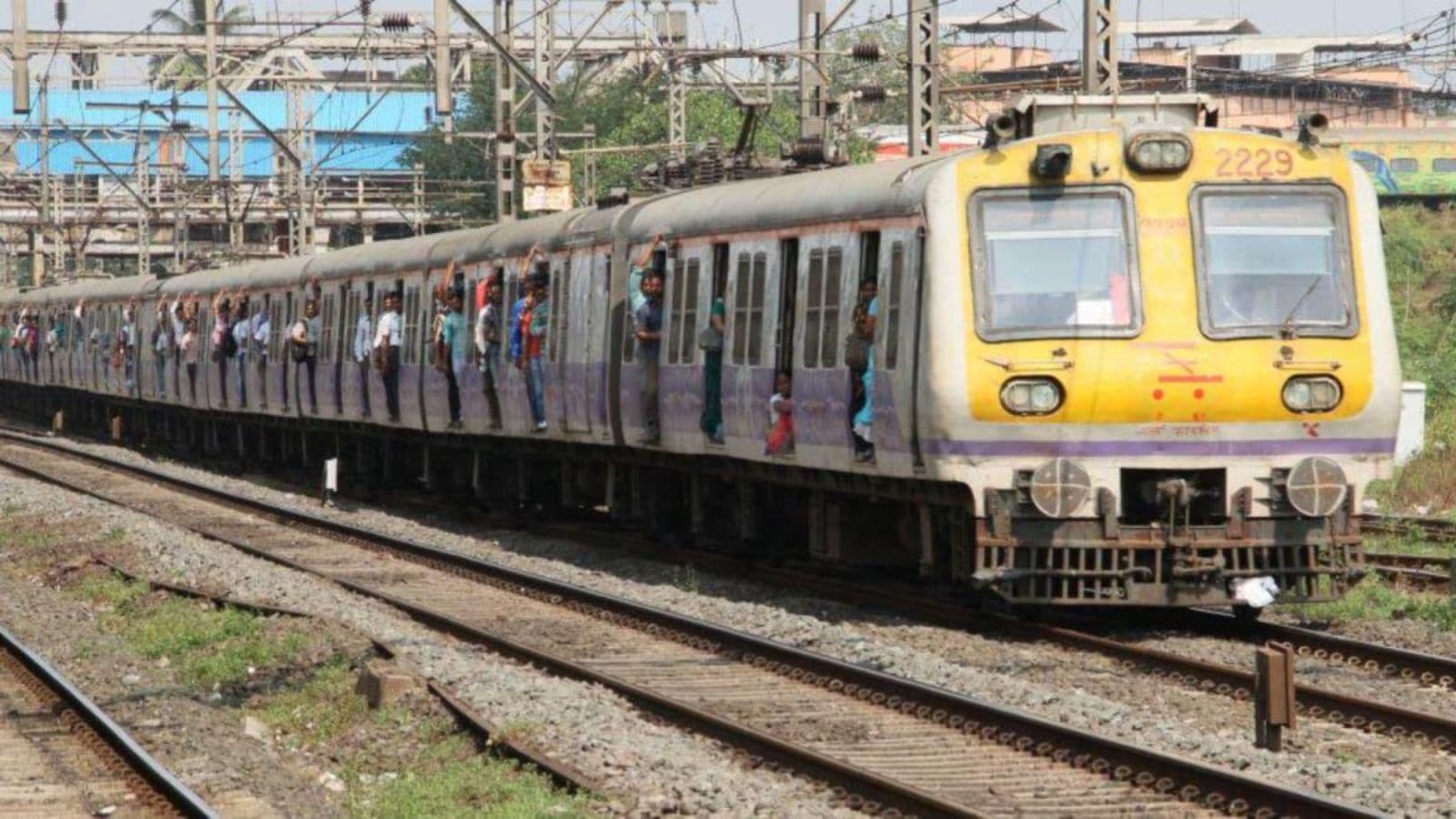
The main impact of this breakdown was the immediate stoppage of local trains during a busy period. When the overhead equipment, known as OHE, fails, the trains lose their power supply and cannot move. This created a massive backlog of trains behind the affected area. Because the Western Line is one of the busiest railway corridors in the world, even a short delay can affect hundreds of thousands of people. The cancellation of nearly 20 services meant that the remaining trains were dangerously overcrowded, as people tried to find any way to reach their destinations.
Key Details
What Happened
The problem started when the overhead wires that provide electricity to the trains snapped or malfunctioned between Bhayandar and Naigaon. This specific section is vital because it connects the outer suburbs to the main city. As soon as the power went out, trains on the affected tracks came to a standstill. Railway engineers and technical teams were sent to the spot immediately to start repairs. However, fixing high-voltage overhead wires is a slow and careful process that requires the power to be turned off for safety.
Important Numbers and Facts
The railway authorities confirmed that between 15 and 20 train services had to be cancelled entirely to manage the situation. Many other trains were running late by 30 to 45 minutes. The incident occurred on April 12, 2026, and the repair work took several hours to complete. During this time, the frequency of trains was greatly reduced. To help passengers, some fast trains were asked to stop at stations where they usually do not stop, but this also added to the overall travel time for everyone on the line.
Background and Context
The Western Railway line in Mumbai is often called the lifeline of the city. It carries millions of people every day from the northern suburbs to the business districts in the south. The section between Bhayandar and Naigaon is particularly important because it crosses a bridge over a creek. Maintaining the power lines in this area can be difficult due to the weather and the salt in the air, which can cause wear and tear on the metal wires. OHE breakdowns are a common cause of railway delays in Mumbai, and they usually happen when the wires get too old or when there is a sudden technical fault in the power supply system.
Public or Industry Reaction
Commuters expressed a lot of anger and frustration on social media. Many people posted photos of crowded platforms and long lines at bus stops. Since the trains were not running, many passengers tried to take taxis or auto-rickshaws, but these were hard to find and very expensive. Some people even had to walk along the railway tracks to reach the nearest station. Railway officials stated that they are working on upgrading the old wires to prevent such incidents, but the public feels that these breakdowns are happening too often. Transport experts suggested that the railway needs better real-time monitoring to catch these faults before the wires actually break.
What This Means Going Forward
This incident shows that the railway infrastructure needs more investment and regular maintenance. Going forward, the Western Railway will likely conduct a full investigation into why the wires broke. They may decide to replace older sections of the overhead equipment more quickly than planned. For commuters, this means they should expect more maintenance blocks on weekends as workers try to fix the system. In the short term, the schedule might take a day or two to return to perfect timing as the railway balances the missed trips and the regular timetable.
Final Take
While the technical teams worked hard to restore services, the day was a reminder of how much Mumbai depends on its local trains. A single broken wire can stop the entire city for hours. Better maintenance and faster emergency response are the only ways to make sure that millions of people can travel safely and on time every day. Until the infrastructure is fully modernized, commuters will have to stay prepared for these types of sudden delays.
Frequently Asked Questions
Why were the trains cancelled on the Western Line?
The trains were cancelled because of a breakdown in the overhead equipment (OHE) between Bhayandar and Naigaon. This caused a loss of power to the trains, making it impossible for them to run on those tracks.
How many trains were affected by the breakdown?
About 15 to 20 train services were cancelled completely. Many other trains faced delays of up to 45 minutes as the railway tried to manage the remaining traffic on fewer tracks.
Is the train service back to normal now?
Repair teams have fixed the broken power lines, and services are slowly returning to their regular schedule. However, there may be some minor delays for the rest of the day as the system recovers.



