
Summary
The Kerala government recently shared details about its spending on relief efforts in Wayanad following the devastating landslides. Records show that the state government spent approximately Rs 103 crore directly from its own treasury for immediate relief and rescue operations. This information comes at a time when the state and the central government are discussing the total financial aid needed for long-term recovery. The figures highlight the gap between immediate state spending and the massive amount required to rebuild the affected areas.
Main Impact
The disclosure of these spending figures has a significant impact on the ongoing conversation about disaster management in India. It shows how much a state government can provide from its own pocket during a sudden crisis. While Rs 103 crore is a large sum, it represents only a small part of what is actually needed to fix the damage caused by the landslides. This report puts pressure on the central government to provide more financial support, as the state argues that its own resources are not enough to handle a disaster of this scale.
Furthermore, these numbers help the public understand where their tax money is going. Transparency in disaster spending is important for maintaining trust between the people and the government. By listing the direct costs, the state is trying to show that it has taken the first steps in helping the survivors, even as it waits for larger relief packages from the national government.
Key Details
What Happened
Following the massive landslides in Wayanad, the Kerala government had to act quickly to save lives and provide basic needs. The state used its own funds to pay for emergency services, medical care, and temporary housing for those who lost their homes. The Rs 103 crore mentioned was used for these urgent tasks. This money is separate from the donations sent by the public to the Chief Minister’s Distress Relief Fund (CMDRF).
Important Numbers and Facts
The state government clarified that the Rs 103 crore was spent on several key areas. A large portion went toward immediate financial help for families who lost members or property. Other costs included setting up relief camps, providing food, and clearing debris from the affected villages. While the state has spent this amount, it has estimated that the total loss from the disaster is over Rs 1,200 crore. This means the current spending covers less than 10% of the total damage reported by local authorities.
Background and Context
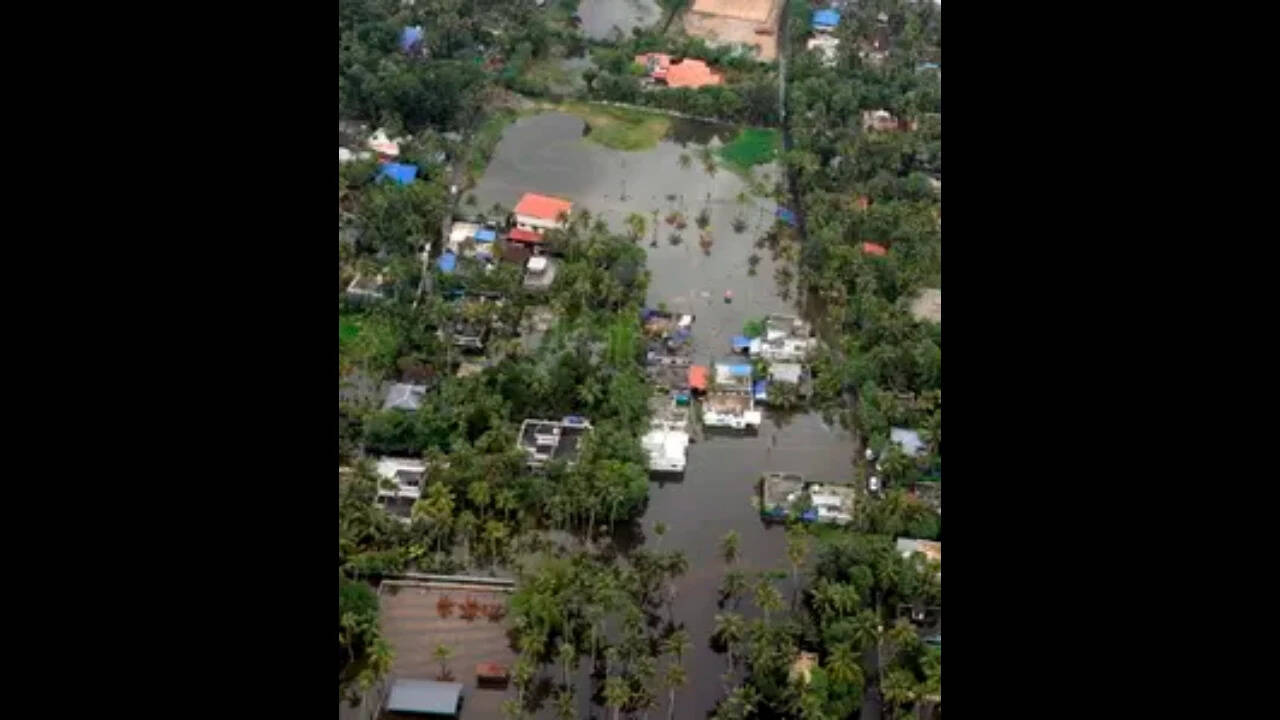
Wayanad experienced one of the worst natural disasters in its history when heavy rains triggered massive landslides in July. Entire villages were buried under mud and rocks, leading to hundreds of deaths and leaving many more people homeless. In the aftermath, the Kerala government asked the central government for a special financial package to help with permanent housing and infrastructure repair.
In India, disaster relief usually involves both the state and the central government. States have a small fund for minor emergencies, but for big disasters, they rely on the National Disaster Response Fund. There has been a long-running debate about how much money the center should give to Kerala. The state government claims it needs more help because its own budget is limited, while some central officials have asked for more detailed reports on how previous funds were used.
Public or Industry Reaction
The reaction to these spending figures has been mixed. Some people praise the state for acting quickly and being transparent about the costs. They believe the state did its best with the money it had available. However, opposition leaders have questioned if the money was used effectively. They argue that the state should have spent more from its own reserves instead of waiting for help from others.
On social media, many citizens are asking for more clarity on the difference between state funds and the money donated by the public. There is a strong demand for a clear report that shows exactly how every rupee from the relief fund is being spent to help the survivors in Wayanad.
What This Means Going Forward
Looking ahead, the focus will move from immediate relief to long-term rebuilding. The Rs 103 crore spent so far was just for the "emergency phase." The "recovery phase" will be much more expensive. The government needs to build new houses in safer areas, fix broken roads, and help people find new ways to earn a living. This will require thousands of crores of rupees over the next few years.
The state will likely continue to push the central government for more aid. If the extra funding does not arrive soon, Kerala may have to cut spending in other areas like education or healthcare to pay for the Wayanad recovery. This situation highlights the need for better disaster insurance and more stable funding for states that are prone to natural calamities.
Final Take
The fact that Kerala spent Rs 103 crore of its own money shows a commitment to immediate action, but it also highlights a major problem. Single states often cannot afford the massive costs of modern climate disasters on their own. As the people of Wayanad try to move on, the focus must remain on providing them with permanent homes and safety. Financial transparency is a good start, but the real test will be how quickly the survivors can return to a normal life with the help of both the state and the nation.
Frequently Asked Questions
How much did Kerala spend on Wayanad relief?
The Kerala government spent about Rs 103 crore directly from its own state funds for immediate relief and rescue efforts.
Is this money the same as the public donations?
No, the Rs 103 crore comes from the state government's own budget. Public donations to the Chief Minister’s Distress Relief Fund (CMDRF) are managed separately.
What is the total estimated damage in Wayanad?
While the state has spent Rs 103 crore so far, the total damage caused by the landslides is estimated to be well over Rs 1,200 crore.



