
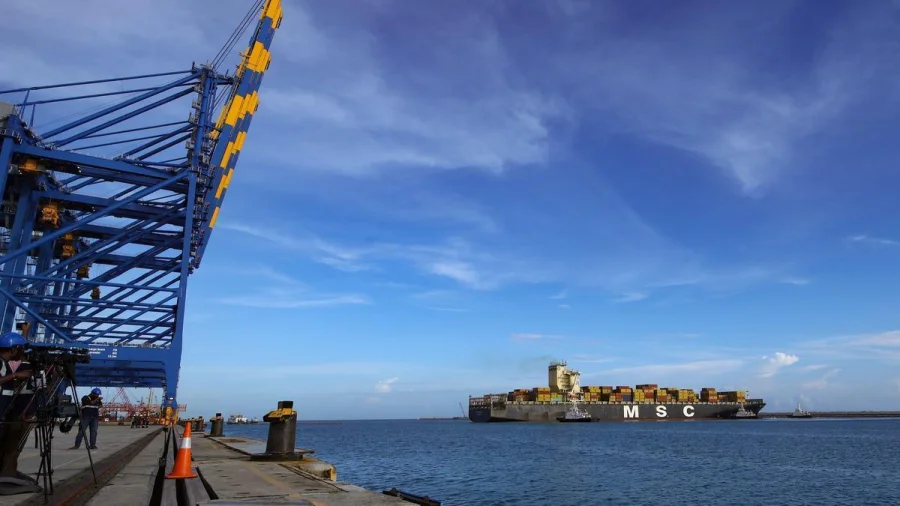
India's maritime map is quietly shifting. Vizhinjam port is officially moving into full export-import (EXIM) operations — a step that transforms it from a transhipment stopover into what is being positioned as India's most important commercial gateway.
A milestone that changes the port's role
The event marks the formal transition of the port from a transhipment hub — where cargo is transferred between vessels — into a full commercial gateway that handles export and import trade directly. For Kerala's long-awaited deep-water port, this is the milestone that redefines its place on global shipping routes.
Why the shift matters for Indian trade
A large share of Indian cargo has historically moved through foreign transhipment hubs before reaching global markets. A functioning EXIM gateway at Vizhinjam could shorten shipping routes, cut logistics costs, and give Indian shippers a home-port advantage. That is why the positioning — India's most important commercial gateway — carries weight well beyond the ceremony.
What is confirmed — and what needs clarity
What is confirmed: the port is commencing full EXIM operations, and the occasion marks its formal transition. What still needs clarity: full cargo volume timelines, shipping line commitments, and how quickly operations scale from announcement to actual throughput. Official specifics beyond the event itself are awaited.
What to watch next
Traders, shipping lines, and logistics firms will now watch how quickly Vizhinjam translates this transition into real export-import volumes. If the port delivers on its positioning, it could emerge as the commercial gateway Indian trade has long needed.
Practical guidance for businesses
Exporters and importers exploring new routes should track official announcements from Vizhinjam port authorities on service schedules and cargo handling readiness. Until detailed operational timelines are published, businesses should verify capacity before shifting cargo away from existing routes.
Our Take
This is both a symbolic and a structural milestone. Moving from transhipment to full EXIM operations is not merely a label change — it decides whether Vizhinjam becomes a genuine gateway or remains a stopover. The coming quarters, measured in cargo volumes, will reveal which one it truly is.
Frequently Asked Questions
What does full EXIM operations mean for Vizhinjam port?
EXIM refers to exports and imports. Full EXIM operations mean Vizhinjam will handle direct export and import cargo at the port, rather than only moving transhipment traffic between ships.
How is this different from a transhipment hub?
A transhipment hub mainly transfers cargo from one vessel to another. A full EXIM gateway processes cargo directly for Indian exporters and importers at the port itself.
Where is Vizhinjam port located?
Vizhinjam is a deep-water port in Kerala, on India's southern coast, positioned close to major international shipping lanes.
Has full EXIM operations already started?
According to the announcement, the event marks the formal transition to full EXIM operations. Detailed operational timelines are expected from port authorities.



