
Summary
The Vizhinjam International Seaport in Kerala has reported a massive increase in cargo activity during its first year of operation. The port managed to process nearly 1.3 million twenty-foot equivalent units (TEUs) of cargo, marking a successful start for the facility. Despite ongoing problems in global shipping routes, the port has seen its busiest period yet, handling a record number of ships and large amounts of transferred cargo. This growth shows that the port is quickly becoming a major player in international trade.
Main Impact
The success of the Vizhinjam port is changing how goods move in and out of South Asia. For a long time, India relied on ports in other countries, like Singapore or Sri Lanka, to handle very large ships. Now, Vizhinjam can handle these massive vessels directly because of its deep waters. This change helps reduce the time and cost of moving goods. The port’s ability to stay busy during global shipping troubles also proves it is a reliable alternative for international shipping companies looking for safety and efficiency.
Key Details
What Happened
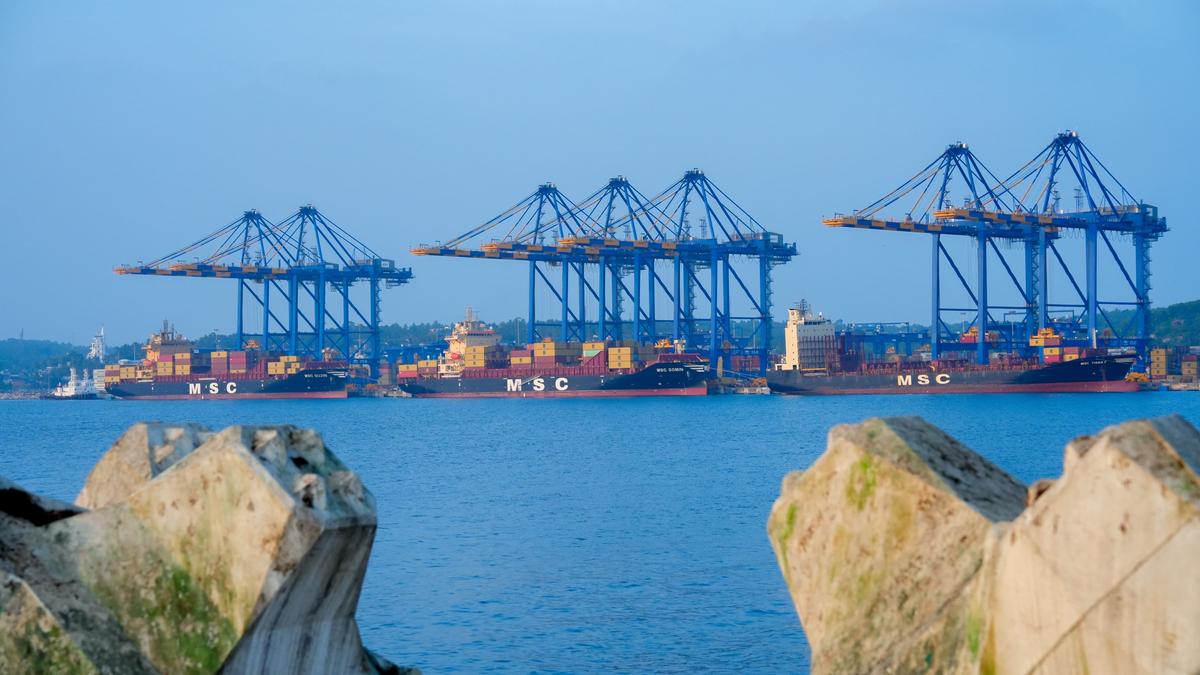
During its first full financial year, the Vizhinjam port saw a steady stream of activity that exceeded many early expectations. The port recently reached a new milestone by docking 61 vessels in a single period, which is the highest number since it began operations. This surge in ship arrivals happened even as other parts of the world faced shipping delays. The port functioned as a key stop for ships needing to move cargo from one vessel to another, a process known as transshipment.
Important Numbers and Facts
The data from the port's inaugural year highlights its rapid growth. The facility processed almost 1.3 million TEUs. To understand this, a TEU is a standard measure for a shipping container that is 20 feet long. In addition to the total cargo, the port handled 118,000 TEUs specifically through transshipment. This means these containers were brought in by one ship and moved to another to reach their final destination. Handling 61 vessels in such a short time shows that the port's staff and machinery are working at a high level of productivity.
Background and Context
Vizhinjam is located on the southern tip of India in the state of Kerala. It is a natural deep-water port, which is rare. Most ports require constant digging, called dredging, to keep the water deep enough for big ships. Vizhinjam does not have this problem as much, making it easier for the world’s largest container ships to dock. The port was built to help India capture more of the global shipping market.
The recent growth is also tied to the "Hormuz crisis." This refers to tensions and safety issues in the Strait of Hormuz and the Red Sea area. When these traditional shipping routes become dangerous or blocked, shipping companies look for other ports that are safe and located near main trading paths. Vizhinjam is perfectly placed along the international shipping route that connects Europe, the Middle East, and East Asia.
Public or Industry Reaction
Experts in the shipping industry are impressed by how quickly Vizhinjam has scaled up its operations. Many believe that the port will soon compete with established hubs like Colombo. Shipping companies have expressed satisfaction with the quick turnaround times at the port, which means ships spend less time waiting and more time moving goods. Local leaders and government officials have also praised the project, noting that it brings new jobs and economic opportunities to the region. The successful first year has built confidence among international investors who see the port as a stable spot for future business.
What This Means Going Forward
Looking ahead, the port is expected to expand even further. The high volume of cargo in the first year suggests that more shipping lines will want to sign long-term contracts with the facility. There are plans to add more cranes and better technology to speed up how containers are moved. As global shipping routes continue to face uncertainty, Vizhinjam will likely serve as a vital backup and a primary hub for South Asian trade. The goal is to make the port one of the top transshipment centers in the world, reducing India's dependence on foreign ports for its own trade needs.
Final Take
The record-breaking performance of the Vizhinjam port proves that India can run a world-class maritime hub. By handling 1.3 million TEUs in its first year, the port has shown it can manage large-scale operations even during global crises. This success is a major step forward for the country's economy and its position in global trade. As the port continues to grow, it will likely become a central point for the world's largest ships, making international shipping faster and more reliable for everyone involved.
Frequently Asked Questions
What is a TEU in shipping?
A TEU stands for "Twenty-foot Equivalent Unit." It is the standard size of a metal shipping container. It is used to measure how much cargo a ship can carry or how much a port can handle.
Why is the Vizhinjam port special?
It is a deep-water port located very close to international shipping routes. This allows the world's largest ships to dock easily without the need for extensive dredging, saving time and money.
How did global shipping disruptions affect the port?
While many ports faced delays due to crises in areas like the Strait of Hormuz, Vizhinjam became a preferred alternative. Ships used the port to safely transfer cargo, leading to record-breaking growth in its first year.



