Vande Mataram Objection Sparks Huge BJP Congress Conflict
India's national song has become the latest battlefield between the BJP and the Congress. At the centre of the storm is one question — did Sonia Gandhi object t...
Admin
The Tasalli
728 x 90Header Slot
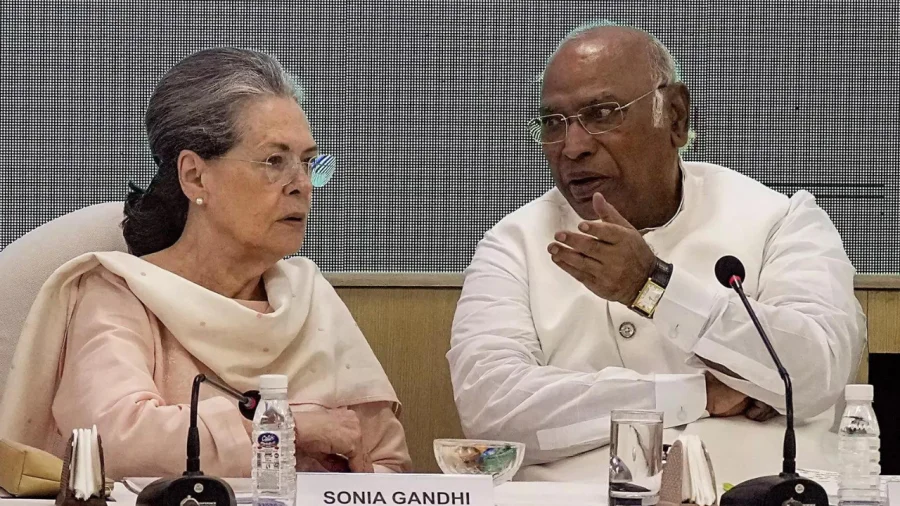
India's national song has become the latest battlefield between the BJP and the Congress. At the centre of the storm is one question — did Sonia Gandhi object to the full version of Vande Mataram, or was she simply asking for a chair for Mallikarjun Kharge? The two parties are giving sharply different answers, and the confrontation is now a full-blown political firefight.
The BJP's charge: an insult to Vande Mataram
According to the BJP's version of events, Sonia Gandhi objected to the full rendition of Vande Mataram during a parliamentary event. The party has framed the alleged objection as disrespect to a national symbol, turning a procedural moment into a question of patriotism.
The charge carries weight because Vande Mataram is not just a song in Indian public life — it is an emotion, a marker of national identity and a recurring theme in political mobilisation.
Congress's counter: she only wanted a chair for Kharge
Congress leaders have dismissed the allegation outright. Their account is strikingly different: Sonia Gandhi was not objecting to the national song at all. She was asking that a chair be arranged for Mallikarjun Kharge, the Leader of Opposition in the Rajya Sabha.
In this telling, the incident was about seating logistics, not sentiment. What the BJP calls an insult to Vande Mataram, the Congress calls a mundane request blown out of proportion.
Why this dispute matters politically
National symbols carry deep emotional weight with voters, which is exactly why both parties are fighting so hard over the narrative. If the BJP can make its "disrespect to the national song" framing stick, it damages the Congress's credibility on patriotic symbolism. If the Congress can show the charge is a distortion, it reinforces its claim that the BJP manufactures controversies for political gain.
Either way, the Vande Mataram row is now part of the larger political messaging war between the two parties.
What is confirmed and what remains disputed
Only the competing claims are established. The BJP says Sonia Gandhi objected to the full Vande Mataram. The Congress says she asked for Kharge's chair. No high-confidence, independent account of the incident has emerged so far.
This report is based on the headline and the two parties' stated positions. Video footage, parliamentary records or a neutral eyewitness account could change the picture — none of that is available yet.
Who is affected and why it resonates with the public
This is not merely a Delhi political slugfest. National symbols, parliamentary conduct and the dignity of constitutional institutions are matters ordinary citizens feel strongly about. Public perception of both Sonia Gandhi and the BJP's motives could be shaped by whichever version gains wider acceptance.
For voters, the controversy also raises a practical question: in a crowded, high-voltage parliamentary setting, how easily can a simple request be misread as a political statement?
Party positions and the current state of the row
Both sides have hardened their stand. BJP leaders are presenting the alleged objection as evidence of the Congress's disdain for national symbols. Congress leaders are presenting the accusation as a manufactured controversy designed to distract from substantive issues.
There are no signs of any softening. Political observers note that such disputes often escalate precisely because neither party can afford to appear weak on questions of national pride.
Reading between the lines: what the clash reveals
Behind the Vande Mataram dispute lies a familiar pattern — the BJP and Congress fighting over patriotism, symbolism and public memory. Each party is trying to occupy the moral high ground by casting the other as disrespectful, opportunistic or dishonest.
The actual sequence of events may matter less to the political battle than the story each side can sell to the public.
A balanced view of both claims
It is worth considering that such incidents often involve crossed wires. A request for a chair could be misheard as an objection. Equally, an objection could be reframed later as a mundane request. Crowded parliamentary settings are not ideal for precise communication.
Without clear footage or an authoritative record, the public is left with two contradictory narratives — and each party has an obvious incentive to shape its own.
A wider pattern of BJP-Congress confrontation
The Vande Mataram row fits into a longer sequence of clashes over national symbols, historical figures and constitutional icons. From debates over the Constitution to disputes over the national anthem, the two parties have repeatedly collided over who truly honours India's heritage.
This controversy is the latest chapter in that ongoing rivalry, not an isolated incident.
What to watch for next
Track official statements from both parties and any release of video or transcript material from the event. Whether parliamentary records, media footage or a senior leader's clarification emerges will determine which version holds public credibility.
Until then, the story remains exactly what it is today: a claim versus a counter-claim.
## [Our Take]
This is a controversy built on competing narratives, and readers should be cautious about accepting either version without verification. The healthiest response to such political disputes is to demand evidence — video, transcripts or official records — rather than let party lines decide the truth. For now, the only certainty is that Vande Mataram, a song meant to unite, has become yet another flashpoint in India's relentless political rivalry.
## [Frequently Asked Questions]
What did the BJP say about Sonia Gandhi and Vande Mataram?
The BJP has claimed that Sonia Gandhi objected to the full version of Vande Mataram during a parliamentary event, framing it as disrespect to the national song.
What is the Congress's response to the allegation?
Congress leaders say Sonia Gandhi was not objecting to Vande Mataram at all. They claim she was actually seeking a chair for Mallikarjun Kharge, the Leader of Opposition in the Rajya Sabha.
Has the Vande Mataram incident been independently verified?
No. As of now, only the two competing claims exist. Neither has been confirmed by independent sources, video evidence or official parliamentary records.
Why is this Sonia Gandhi Vande Mataram dispute significant?
The national song is a powerful symbol in Indian public life. Any allegation of disrespect can shape public opinion quickly, which is why both parties are aggressively pushing their respective narratives.
## [NEWS_SCHEMA]
{
"@context": "https://schema.org",
"@type": "NewsArticle",
"headline": "Vande Mataram or a chair for Kharge? New BJP-Congress flashpoint explained",
"description": "BJP accuses Sonia Gandhi of objecting to the full Vande Mataram; Congress says she was seeking a chair for Mallikarjun Kharge. A claim-versus-counter-claim political row.",
"image": "",
"datePublished": "2025-06-08",
"dateModified": "2025-06-08",
"author": {
"@type": "Person",
"name": "Political Desk",
"url": "",
"sameAs": []
},
"publisher": {
"@type": "Organization",
"name": "India Newsroom",
"logo": {
"@type": "ImageObject",
"url": ""
}
},
"mainEntityOfPage": {
"@type": "WebPage",
"@id": ""
},
"articleSection": "Politics",
"keywords": "Sonia Gandhi Vande Mataram objection, BJP Congress Vande Mataram row, Sonia Gandhi Kharge chair controversy"
}
## [SOURCES]
This report is based on the supplied headline and original story: "BJP says Sonia objected to full Vande Mataram; Congress says she was seeking chair for Kharge." No high-confidence external publication sources were available for independent verification at the time of writing.