Summary
The United States has started moving more military forces into the Middle East to support Israel and protect its interests. The USS Tripoli arrived with thousands of troops and advanced aircraft as fighting spreads to new areas. At the same time, groups in Yemen have joined the conflict, and heavy strikes in Lebanon have caused several civilian deaths. Diplomatic leaders from several countries are now meeting to try to stop the violence from growing further.
Main Impact
The arrival of the USS Tripoli marks a major increase in the American military presence in the region. With 3,500 new personnel joining the 50,000 already stationed there, the U.S. is preparing for a much larger conflict. This move comes as the war moves beyond the borders of Israel and Gaza, drawing in groups from Yemen and Lebanon. The increased military power is meant to act as a warning, but it also shows how serious the threat of a full-scale regional war has become.
Key Details
What Happened
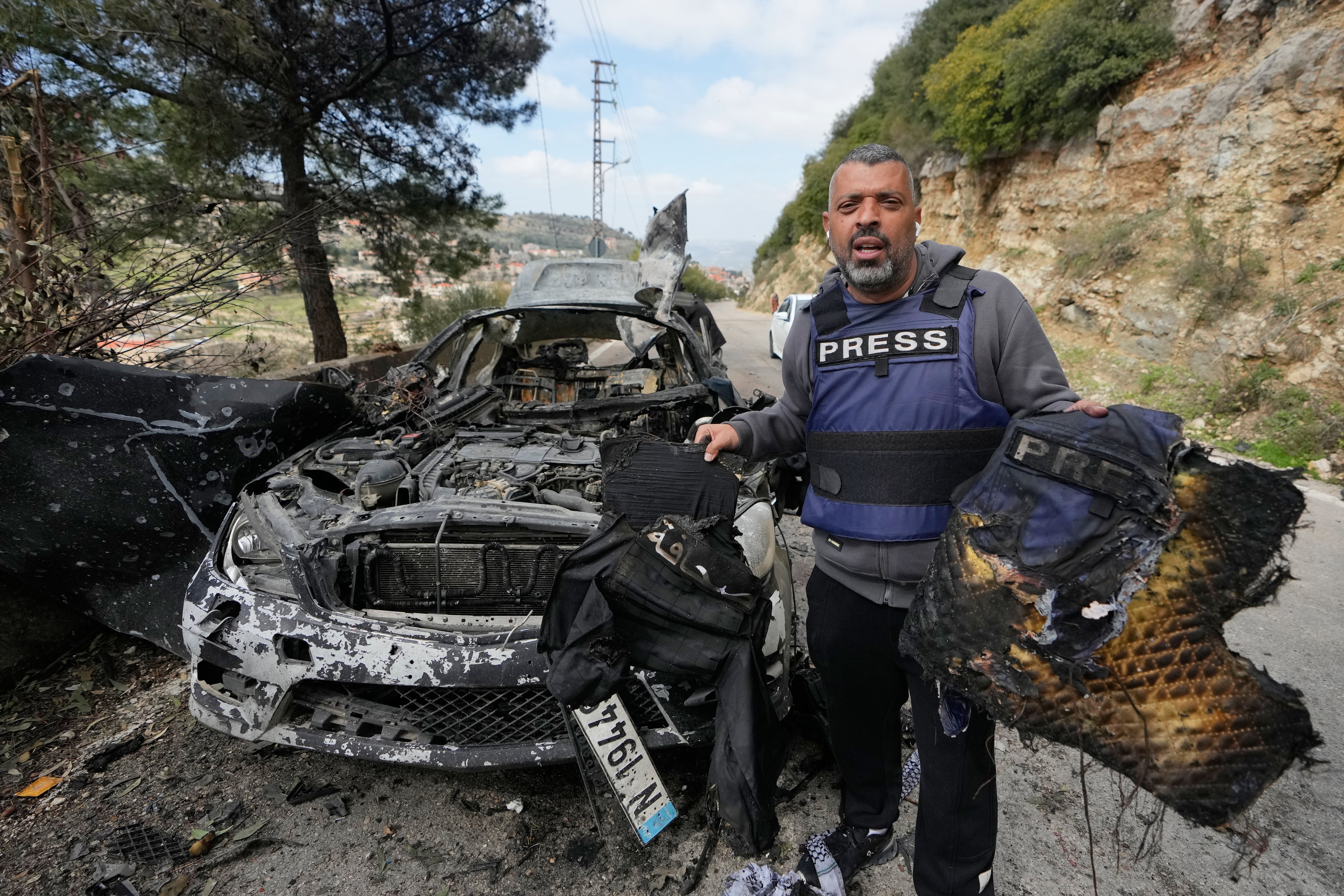
On Saturday, the USS Tripoli, a large amphibious assault ship, reached the waters of the Middle East. It carries a mix of Marines and sailors who are trained for quick response and combat. This arrival happened just as the Houthi group in Yemen launched two missiles toward Israel, showing that the war is expanding. In Lebanon, Israeli air strikes hit several locations, resulting in the deaths of media workers and medical staff. These events show that the conflict is no longer contained to a single area.
Important Numbers and Facts
The USS Tripoli brought 3,500 personnel to the region. This adds to the 50,000 U.S. troops already on the ground or on ships nearby. The ship also carries fighter jets and transport planes, along with tactical equipment for beach landings. In Lebanon, the government reported that nine health workers and three journalists were killed in recent attacks. One of the journalists, Ali Shoeib, worked for Al Manar, while Fatime Ftuni worked for Al Mayadeen. Her brother was also killed in the same strike.
Background and Context
This conflict has been growing for months, moving from a local fight to a regional crisis. The United States and Israel are now facing pressure from multiple groups supported by Iran. These include the Houthis in Yemen and Hezbollah in Lebanon. The U.S. goal is to prevent these groups from overwhelming Israel, but the presence of so many foreign troops also creates more tension. For the people living in these areas, the fighting has made daily life dangerous, especially for those working in hospitals or reporting the news. The involvement of the U.S. Navy is a clear sign that Washington believes the situation could get much worse before it gets better.
Public or Industry Reaction
The Lebanese government has reacted strongly to the deaths of its citizens. They have officially accused Israel of committing war crimes by targeting journalists and medical workers. These groups are usually protected under international law during a war. Israel has defended its actions, claiming that some of the people killed were actually members of armed groups using their jobs as a cover. For example, Israel stated that Ali Shoeib was a member of the Hezbollah militia. This disagreement has caused anger among international press organizations and human rights groups who worry about the safety of non-combatants in the line of fire.
What This Means Going Forward
The next few days will be critical for the region. The diplomatic meeting in Pakistan is a major attempt to find a peaceful path. By bringing together Turkey, Egypt, and Saudi Arabia, Pakistan hopes to create a unified voice that can pressure both sides to stop the fighting. These four nations have a lot of influence in the Middle East and could help negotiate a ceasefire. However, with more U.S. troops arriving and missiles being fired from Yemen, the risk of the war getting bigger is still very high. If the diplomatic talks fail, the region could see even more intense combat involving multiple countries.
Final Take
The arrival of U.S. reinforcements shows that the military path is currently moving faster than the diplomatic one. While world leaders talk about peace, the buildup of ships, planes, and troops suggests that they are preparing for the worst. The loss of life among journalists and health workers serves as a grim reminder of the high cost of this expanding conflict. The world is now watching to see if the meeting in Pakistan can offer a solution before the violence spreads even further.
Frequently Asked Questions
What is the USS Tripoli?
The USS Tripoli is a large amphibious assault ship used by the U.S. Navy. It carries thousands of Marines, sailors, and various aircraft like fighter jets and transport planes to support military operations from the sea.
Why are the Houthis attacking Israel?
The Houthis are a group based in Yemen that is allied with Iran. They have joined the conflict to support their allies and have been launching missiles and drones at Israel to show their involvement in the regional war.
Why is the meeting in Pakistan important?
Pakistan is hosting leaders from Turkey, Egypt, and Saudi Arabia. These are key regional powers that have the ability to talk to different sides of the conflict. Their goal is to find a way to stop the fighting and prevent a larger war from breaking out.