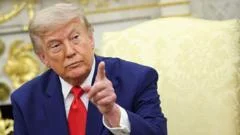
The United States has imposed tariffs on 60 trading partners, citing concerns over forced labour practices. The move, announced by the Biden administration, targets nations accused of failing to adequately address forced labour in their supply chains. This is one of the broadest trade actions in recent years, affecting countries across Asia, Africa, and Latin America.
What the Tariffs Target
The tariffs apply to imports from countries including China, India, Vietnam, Bangladesh, and several others. The US government claims these nations have not taken sufficient steps to eliminate forced labour, particularly in industries like textiles, electronics, and agriculture. The action is based on findings from the US Department of Labor’s annual report on forced labour.
Why This Matters for Global Trade
The tariffs could disrupt global supply chains, raising costs for US importers and consumers. Products like garments, smartphones, and agricultural goods may become more expensive. For affected nations, the move threatens export revenues and jobs. Analysts warn of a potential trade war, with affected countries likely to retaliate with their own tariffs.
Timeline of the Decision
The decision follows months of review by the US Trade Representative’s office. The administration had signaled a tougher stance on labour rights, building on earlier actions against specific industries. The tariffs are effective immediately, with no grace period for affected nations.
Human Impact: Who Is Affected
Workers in export-dependent industries in countries like Bangladesh and Vietnam face potential job losses. US consumers may see higher prices for clothing, electronics, and food. Small businesses in the US that rely on imported goods could also be hit hard. The move has drawn mixed reactions from human rights groups, who welcome the focus on forced labour but worry about unintended consequences.
Official Response from the US
US officials defended the tariffs as a necessary step to enforce labour standards. “We cannot allow forced labour to continue in global supply chains,” a senior administration official said. The White House emphasized that the action is part of a broader effort to promote fair trade and human rights.
Analysis: A Shift in Trade Policy
The tariffs represent a significant shift in US trade policy, moving beyond traditional disputes over subsidies and intellectual property. By linking trade to labour rights, the US is setting a new precedent. However, critics argue that tariffs may hurt the very workers they aim to protect, by reducing demand for exports from developing countries.
Confirmed Facts vs What Remains Unclear
Confirmed: The US has imposed tariffs on 60 trade partners. The action is based on forced labour concerns. Unclear: The exact list of affected products and tariff rates. It is also unclear how affected nations will respond. Speculation: Some analysts predict retaliatory tariffs, but no official announcements have been made.
Risks and Balanced View
Supporters say the tariffs are a moral imperative, forcing countries to improve labour conditions. Critics warn of economic backlash, including higher consumer prices and trade wars. There are also concerns about the effectiveness of tariffs in addressing forced labour, with some arguing that engagement and incentives may work better.
Wider Trend: Trade and Human Rights
The move is part of a broader trend of linking trade policy to human rights. The US has previously imposed tariffs on goods from Xinjiang, China, over forced labour allegations. The European Union has also considered similar measures. This trend could reshape global trade, with labour standards becoming a key factor in trade agreements.
Practical Guidance for Readers
For consumers: Expect higher prices on imported goods, especially clothing and electronics. For businesses: Review supply chains for exposure to affected countries. For investors: Monitor sectors like retail, manufacturing, and logistics for potential impacts. For workers in affected industries: Stay informed about job security and explore alternative employment options.
Future Outlook
The tariffs could escalate into a broader trade conflict. Affected nations may file complaints with the World Trade Organization. The US may also expand the tariffs to include more countries or products. The long-term impact on forced labour remains uncertain, but the move signals a new era in trade policy.
Our Take
This is a bold but risky move. While the focus on forced labour is commendable, tariffs are a blunt instrument. They may cause economic pain without necessarily improving labour conditions. A more effective approach would combine tariffs with incentives for compliance and support for workers. The coming months will test whether this policy achieves its goals or backfires.
Frequently Asked Questions
Which countries are affected by the US tariffs?
The US has imposed tariffs on 60 trade partners, including China, India, Vietnam, Bangladesh, and others. The exact list has not been fully disclosed, but it covers nations cited in the US Department of Labor’s forced labour report.
What products are targeted by the tariffs?
The tariffs target imports from industries like textiles, electronics, and agriculture. Specific products include garments, smartphones, and agricultural goods. The full list of affected products is expected to be released soon.
How will the tariffs affect US consumers?
US consumers may see higher prices for imported goods, especially clothing, electronics, and food. Small businesses that rely on imports could also face increased costs. The impact will vary by product and supply chain.
What can affected countries do in response?
Affected countries can retaliate with their own tariffs, file complaints with the World Trade Organization, or negotiate with the US. Some may also take steps to address forced labour concerns to have the tariffs removed.