Summary
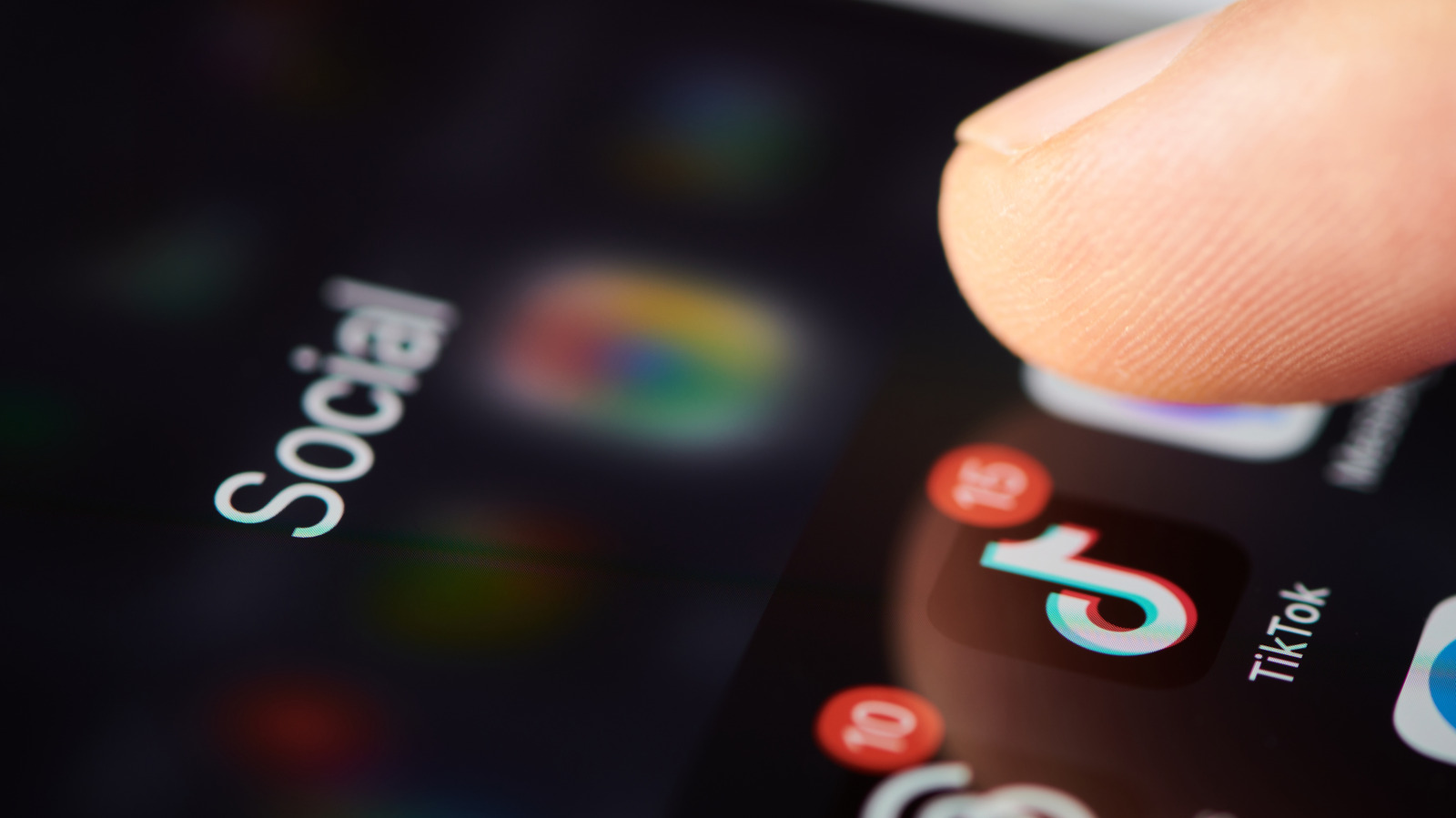
The United States government has officially lifted the ban on TikTok for use on federal devices. This change means employees in many government agencies can now access the popular video-sharing app on their work phones and computers. The decision marks a major shift in policy after years of security concerns and restrictions.
Main Impact
The lifting of the ban allows federal workers to use TikTok on government-issued devices. This move affects millions of employees across various departments. It signals a new approach to how the government handles social media apps that were previously seen as security risks. The change could also influence how other countries treat TikTok.
Key Details
What Happened
The ban was first put in place in 2020 under the Trump administration. It stopped federal employees from downloading or using TikTok on government devices. The ban was based on concerns that the app, owned by Chinese company ByteDance, could share user data with the Chinese government. Now, the Biden administration has decided to remove that restriction.
Important Numbers and Facts
The ban covered all executive branch agencies, including the Department of Defense, Department of Homeland Security, and the State Department. The new policy allows access but still warns employees to be careful about what they post. The change took effect on July 18, 2026. TikTok has over 150 million users in the United States.
Background and Context
TikTok has been a target of US government scrutiny for years. Lawmakers worried that the app could be used for spying or spreading misinformation. The ban on federal devices was part of a broader effort to limit Chinese influence. However, many argued the ban was too broad and hurt free speech. The new policy reflects a more balanced view that weighs security risks against the app's popularity.
Public or Industry Reaction
TikTok welcomed the decision. The company said it was happy to work with the government to address security concerns. Some privacy advocates praised the move, saying it respects user rights. But some security experts remain cautious. They warn that the app still poses risks and that employees should be trained on safe usage. The public reaction has been mixed, with many users happy about the change.
What This Means Going Forward
The lifting of the ban does not mean TikTok is fully safe. The government will still monitor the app for any security issues. Other countries may follow the US lead and reconsider their own bans. For federal employees, the change means more freedom to use social media at work. But they must still follow agency rules about posting sensitive information. The long-term impact will depend on how TikTok handles data privacy going forward.
Final Take
The end of the TikTok ban on US government devices is a big step. It shows that the government is willing to change its mind when new information comes to light. The decision balances security with the reality that TikTok is a major part of American culture. How well this balance works will be watched closely by everyone.
Frequently Asked Questions
Why was TikTok banned on government devices in the first place?
The ban was put in place because of concerns that TikTok, owned by a Chinese company, could share user data with the Chinese government. Officials worried this could be a security risk for federal employees.
Does this mean TikTok is now safe to use?
The government says the app is safe enough for use on federal devices, but it still warns employees to be careful. Security experts say users should still be aware of privacy risks and avoid sharing sensitive information.
Will other countries also lift their TikTok bans?
It is possible. The US decision could influence other nations that have similar bans. However, each country will make its own choice based on its security needs and relationship with China.