Summary
The United States has launched new military strikes against Iran, escalating tensions in the Middle East. President Donald Trump warned Tehran to "better behave" but said he has not yet decided whether to take further action. The strikes mark a significant shift in US policy toward Iran, which had seen a period of relative calm. The move raises fears of a wider conflict in the region.
Main Impact
The US military strikes targeted Iranian positions, according to officials. President Trump's warning came shortly after the attacks, signaling a tough stance. The impact is immediate: increased instability in the Middle East, potential retaliation from Iran, and a sharp rise in oil prices. Global leaders are watching closely, as any escalation could draw in other nations.
Key Details
What Happened
US forces carried out a series of airstrikes against Iranian military targets. The strikes were in response to what the US says were recent provocations by Iran. President Trump confirmed the attacks in a statement, saying the US would not tolerate threats. He added that he is still deciding whether to "finish off" Iran, a phrase that has caused alarm.
Important Numbers and Facts
The strikes occurred on July 15, 2026. Specific targets included Iranian naval and missile sites. No US casualties were reported. Iran has not yet confirmed the extent of damage. The US has increased its military presence in the Persian Gulf. Oil prices jumped by 5% following the news.
Background and Context
Tensions between the US and Iran have been high for years. The US pulled out of the Iran nuclear deal in 2018, leading to sanctions. Iran has since increased its nuclear activities. Recent months saw attacks on oil tankers and drone incidents. The US blames Iran for these actions, though Iran denies involvement. This latest strike is the most direct US military action against Iran in decades.
Public or Industry Reaction
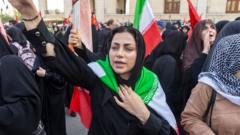
Reaction has been mixed. Some US lawmakers support the strikes, saying Iran needs to be stopped. Others worry about a new war. Oil markets reacted quickly, with prices rising. Global allies like the UK and France have called for restraint. Iran's government has condemned the attacks, vowing to respond. Protests have broken out in Tehran, with some Iranians angry at the US and others at their own government.
What This Means Going Forward
The situation is dangerous. If Iran retaliates, the US may launch more strikes. This could lead to a full-scale conflict. Diplomatic options are still open, but both sides seem unwilling to back down. The US election is approaching, which may influence Trump's decisions. For now, the world waits to see if this is a one-time strike or the start of something bigger.
Final Take
President Trump's warning to Iran is clear, but his hesitation on "finishing off" Iran leaves room for doubt. The strikes show the US is ready to use force, but the outcome remains uncertain. The risk of a wider war is real, and the cost—both human and economic—could be huge. All sides must think carefully before taking the next step.
Frequently Asked Questions
Why did the US launch strikes on Iran?
The US says the strikes were a response to recent provocations by Iran, including attacks on oil tankers and drone incidents. President Trump warned Iran to stop threatening US interests.
What did President Trump mean by "finish off" Iran?
Trump said he has not decided whether to "finish off" Iran, meaning he is considering further military action. The phrase has caused concern because it suggests possible escalation to a full war.
How has Iran reacted to the strikes?
Iran has condemned the attacks and vowed to respond. The government has not yet taken military action, but officials say they will defend their country. Protests have also occurred in Tehran.