Summary
The United States and Iran have exchanged direct military strikes following attacks on oil tankers in the Strait of Hormuz. The US military says it targeted Iranian missile sites and command centers. In response, Iran claims it fired missiles and drones at US military bases in the region. This marks a major escalation in tensions between the two countries.
Main Impact
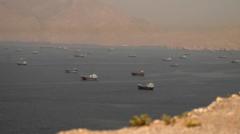
The conflict began after several oil tankers were hit in the Strait of Hormuz, a narrow waterway that is a key route for global oil shipments. The US responded by launching strikes on what it called "Iranian-backed" positions. Iran then retaliated with its own attacks on US bases. The situation has raised fears of a wider war in the Middle East and could disrupt global oil supplies.
Key Details
What Happened
According to the US military, its forces struck multiple targets inside Iran, including missile launch sites and command-and-control centers. The Pentagon said the strikes were meant to stop further attacks on commercial ships in the Strait of Hormuz. Iran's state media reported that its military fired a number of missiles and drones at US bases in Iraq and the Gulf region. Both sides have confirmed casualties, but exact numbers are not yet clear.
Important Numbers and Facts
The Strait of Hormuz is a 21-mile-wide waterway between Iran and Oman. About 20% of the world's oil passes through it daily. The tanker attacks happened on July 6 and 7, 2026. The US strikes occurred on July 8. Iran said it used "precision-guided" missiles and drones. The US said it used aircraft and naval forces. No official casualty figures have been released yet.
Background and Context
Tensions between the US and Iran have been high for years. The two countries have been in a long-running dispute over Iran's nuclear program and its influence in the Middle East. The Strait of Hormuz has been a flashpoint before. In 2019, Iran was accused of attacking tankers in the same area. The US has a large military presence in the Gulf, including bases in Bahrain, Qatar, and the United Arab Emirates. Iran has often threatened to block the strait if it feels threatened.
Public or Industry Reaction
Oil prices jumped sharply after news of the strikes broke. Global markets are watching closely. Shipping companies have warned that the Strait of Hormuz may become unsafe for commercial vessels. Some countries, including Saudi Arabia and the United Arab Emirates, have called for calm. The United Nations has urged both sides to stop fighting. Iran's government said it acted in self-defense. The US said it has the right to protect its forces and allies.
What This Means Going Forward
The exchange of direct strikes is a dangerous step. It increases the risk of a full-scale conflict between the US and Iran. If the Strait of Hormuz is blocked, oil prices could rise sharply, affecting economies around the world. Both sides may now look for ways to de-escalate, but trust is very low. Diplomatic efforts are likely to intensify, but military action could continue. The situation remains very fluid and unpredictable.
Final Take
The US and Iran have crossed a line by directly attacking each other's forces. This is no longer a proxy war. The world is watching to see if this leads to a broader conflict or if both sides step back. The stakes are high for global energy markets and regional stability. For now, the situation is tense and dangerous.
Frequently Asked Questions
Why did the US and Iran attack each other?
The US attacked Iranian targets after oil tankers were hit in the Strait of Hormuz. Iran then attacked US bases in response. Both sides say they acted in self-defense.
What is the Strait of Hormuz and why is it important?
The Strait of Hormuz is a narrow waterway between Iran and Oman. About 20% of the world's oil passes through it. If it is blocked, oil prices can go up and hurt the global economy.
Could this lead to a bigger war?
Yes, there is a real risk of a wider conflict. Both the US and Iran have strong militaries. Diplomatic efforts are underway, but the situation is very tense and could get worse.