Summary
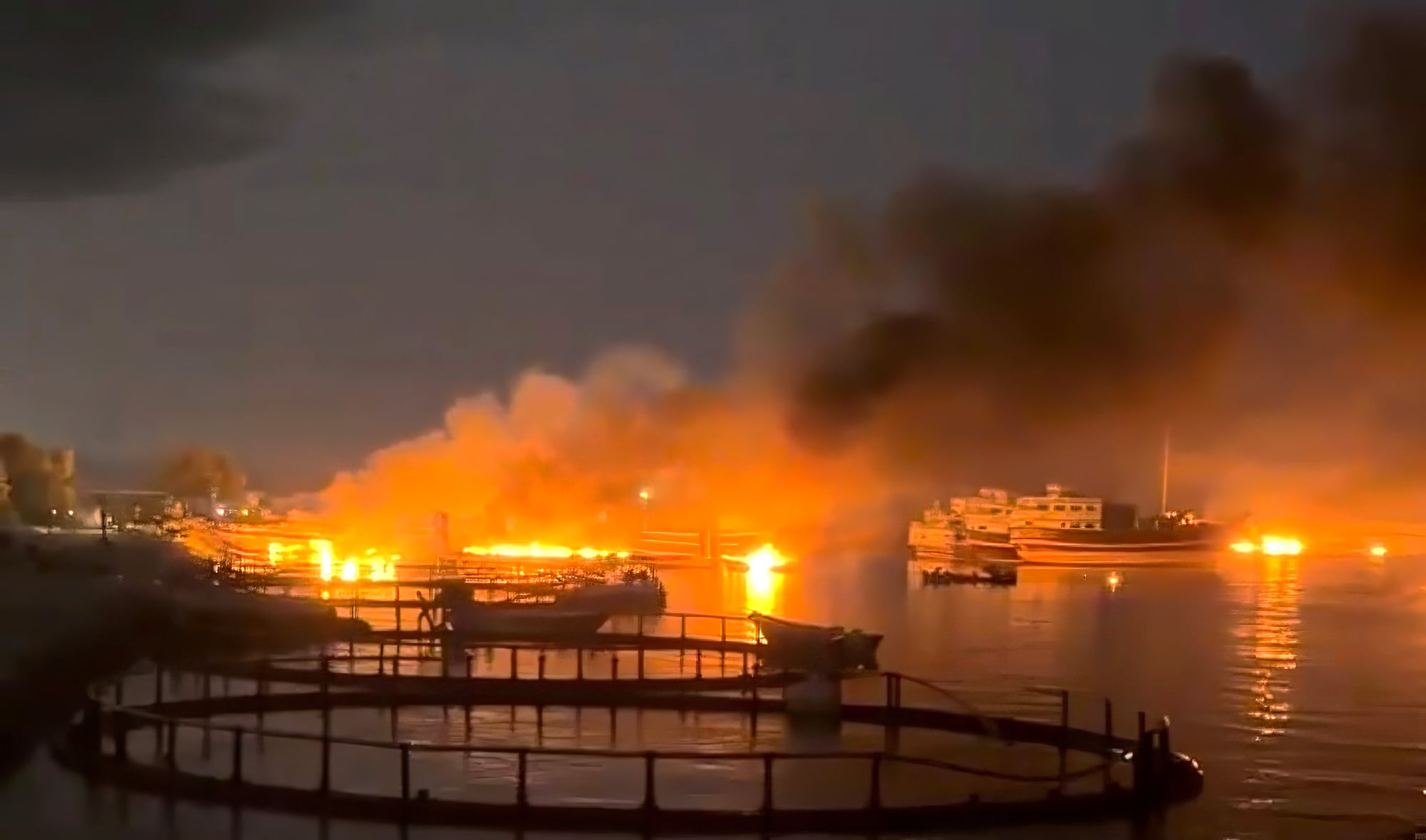
The United States has launched strong military attacks against Iranian targets near the Strait of Hormuz. President Donald Trump had warned of this action hours earlier. He declared the temporary peace deal with Tehran "over" before ordering the strikes. The U.S. Central Command confirmed the operation on Wednesday. This marks a major escalation in tensions between the two countries.
Main Impact
The attacks signal the end of a short-lived calm between the U.S. and Iran. The Strait of Hormuz is a critical waterway for global oil shipments. Any military action there can disrupt energy markets and raise prices worldwide. The strikes also increase the risk of a wider conflict in the Middle East. Both nations had been observing a provisional peace agreement since earlier this year.
Key Details
What Happened
U.S. forces stationed near the Strait of Hormuz carried out the attacks on Wednesday. President Trump had publicly threatened this move just hours before. He stated that the interim peace deal with Iran was no longer in effect. The U.S. Central Command later confirmed the operation. The exact targets and scale of the attacks have not been fully disclosed yet.
Important Numbers and Facts
The attacks occurred on July 8, 2026. The Strait of Hormuz is a narrow passage between the Persian Gulf and the Gulf of Oman. About 20% of the world's oil passes through this waterway. The provisional peace agreement had been in place for several months. Trump's declaration that the deal was "terminated" came shortly before the military action.
Background and Context
Tensions between the United States and Iran have been high for years. The two countries have often clashed over Iran's nuclear program and its influence in the Middle East. Earlier this year, both sides agreed to a temporary peace deal to reduce conflict. This agreement was seen as a step toward broader talks. However, President Trump's recent statements and now the attacks have ended that fragile calm. The Strait of Hormuz is a strategic location because so much oil passes through it. Any military activity there can quickly affect global oil supplies and prices.
Public or Industry Reaction
Initial reactions from other countries have been cautious. Many world leaders are calling for restraint from both sides. Oil markets are expected to react strongly when trading opens. Analysts warn that continued conflict could lead to higher fuel costs for consumers. Iran has not yet issued an official response to the attacks. Regional experts are watching closely for any retaliation from Tehran.
What This Means Going Forward
The collapse of the provisional peace deal raises the risk of prolonged military engagement. Both nations may now return to a cycle of strikes and counter-strikes. The international community will likely push for a new ceasefire. However, trust between the U.S. and Iran is now very low. The situation in the Strait of Hormuz will remain tense. Global energy markets could face instability in the coming weeks. Diplomatic efforts may be needed to prevent a larger war.
Final Take
The U.S. attacks on Iranian targets mark a serious turning point. The temporary peace deal that offered hope for de-escalation is now gone. Both countries are back on a path of direct confrontation. The world will be watching closely to see what happens next. The risk of wider conflict in the Middle East has clearly increased.
Frequently Asked Questions
Why did the U.S. attack Iranian targets?
President Trump said the provisional peace deal with Iran was over. He had warned of military action hours before the attacks. The U.S. Central Command confirmed the strikes were carried out near the Strait of Hormuz.
What is the Strait of Hormuz and why is it important?
The Strait of Hormuz is a narrow waterway between the Persian Gulf and the Gulf of Oman. About 20% of the world's oil passes through it. Any military conflict there can disrupt global oil supplies and raise prices.
What was the provisional peace deal between the U.S. and Iran?
It was a temporary agreement to reduce tensions between the two countries. It had been in place for several months before President Trump declared it terminated. The deal was seen as a step toward broader peace talks.