Summary
Global energy markets have avoided a major price crisis during the Iran war by using a modern, fast-moving logistics system that experts call the "Amazon of oil." This system uses digital tracking and satellite technology to find and move oil shipments quickly, reducing the need for large stockpiles. As a result, oil prices have stayed far below the record highs many feared, even with ongoing military strikes and the partial closure of a key shipping route.
Main Impact
The biggest effect of this new logistics approach is that oil prices have not skyrocketed as expected. The U.S. benchmark for crude oil rose only about 5% to $74 per barrel after President Trump declared the Iran ceasefire "over" on Wednesday. This is much lower than the mid-May high of $112 per barrel. The ability to quickly reroute oil shipments and adjust supplies has helped keep prices stable, even during the greatest energy shock in modern times.
Key Details
What Happened
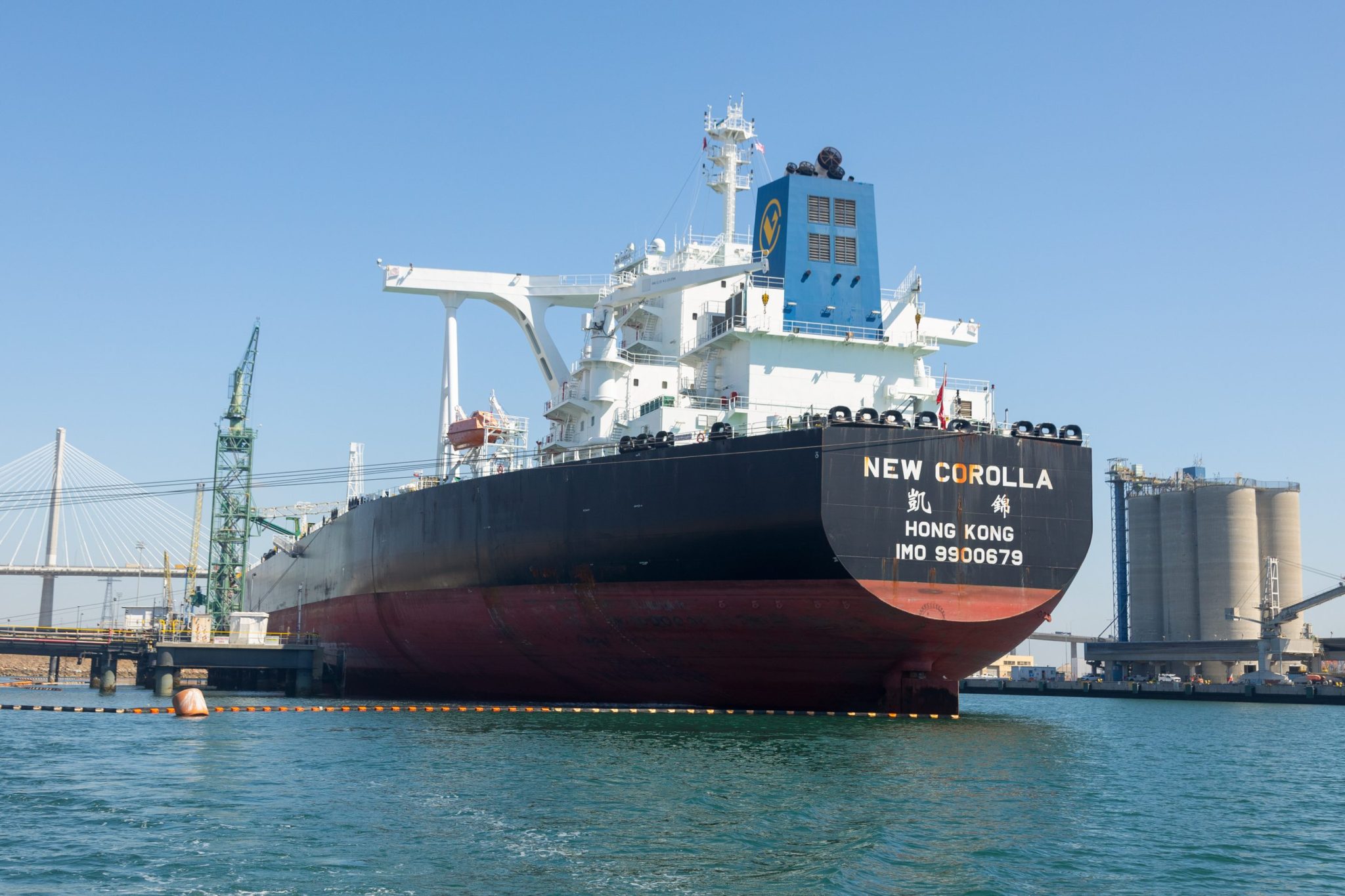
Energy companies and governments have adopted a "just-in-time" delivery system for oil, similar to how Amazon manages its inventory. Instead of storing large amounts of oil in tanks, they use digital tools to track tankers at sea and redirect them where needed. This system became crucial after the Strait of Hormuz was effectively closed, cutting off nearly 20% of the world's oil and liquefied natural gas supplies.
Important Numbers and Facts
China played a major role in keeping prices down. Before the war, China imported over 11.5 million barrels of oil per day. By June, that number dropped below 7 million barrels daily, effectively lowering global demand by almost 5 million barrels per day. China's oil reserves had grown to about 1.4 billion barrels before the war. The U.S. Strategic Petroleum Reserve now holds 319 million barrels, down from 415 million at the start of the war. President Trump has authorized the release of 172 million barrels over several months.
Background and Context
In the past, oil shocks like those in the 1970s caused huge price spikes because there was no way to quickly find and move oil supplies. Today, digital and satellite technology allow traders to see every tanker on the ocean, know what it carries, and arrange to have it diverted to a new buyer. This has made physical inventories less important. The Trump administration also helped by temporarily waiving the Jones Act, which normally requires ships moving between U.S. ports to be American-built and crewed. This waiver allowed more ships to move fuel from the Gulf Coast to California, which faced refinery shutdowns.
Public or Industry Reaction
Industry experts have been surprised by how well the system has worked. Jim Wicklund, a veteran oil analyst, said the correlation between oil inventories and prices has dropped from high to almost zero. He noted that he can now "order immediately off the Amazon of oil." Arjun Murti, an energy policy expert, called China's role as a "source of moderation" new and unexpected. The system has quieted "doomsdayers" who predicted oil would hit $200 per barrel, Wicklund added.
What This Means Going Forward
The success of this logistics system suggests that future oil shocks may not cause the same price chaos as in the past. However, risks remain. The U.S. strategic reserve is at its lowest level since 1983, and President Trump is unlikely to start refilling it before the midterm elections. China's reduced imports have helped, but if it starts buying again, prices could rise. The system's reliance on digital tracking also means it could be vulnerable to cyberattacks or satellite failures.
Final Take
The "Amazon of oil" has proven that modern technology can help manage even the worst energy crises. By using real-time data and flexible shipping, the world has avoided the price spikes that once seemed unavoidable. But the system depends on continued cooperation and investment in digital tools, as well as the willingness of major players like China to adjust their buying habits.
Frequently Asked Questions
What is the "Amazon of oil"?
It is a term used to describe the modern system of tracking and moving oil shipments using digital and satellite technology. Just like Amazon can quickly deliver products, this system allows energy companies to find and reroute oil tankers at sea to meet demand, reducing the need for large storage stockpiles.
Why didn't oil prices go as high as expected during the Iran war?
Oil prices stayed lower because of two main reasons. First, a new logistics system allowed quick rerouting of oil shipments. Second, China cut its oil imports by nearly 5 million barrels per day, which lowered global demand. The U.S. also released oil from its strategic reserve and temporarily waived shipping rules to help move fuel.
What is the Strait of Hormuz and why is it important?
The Strait of Hormuz is a narrow waterway between Iran and Oman. About 20% of the world's oil and liquefied natural gas passes through it. During the Iran war, it was effectively closed, cutting off a huge portion of global supplies. The new logistics system helped manage this disruption without causing a major price spike.