Summary
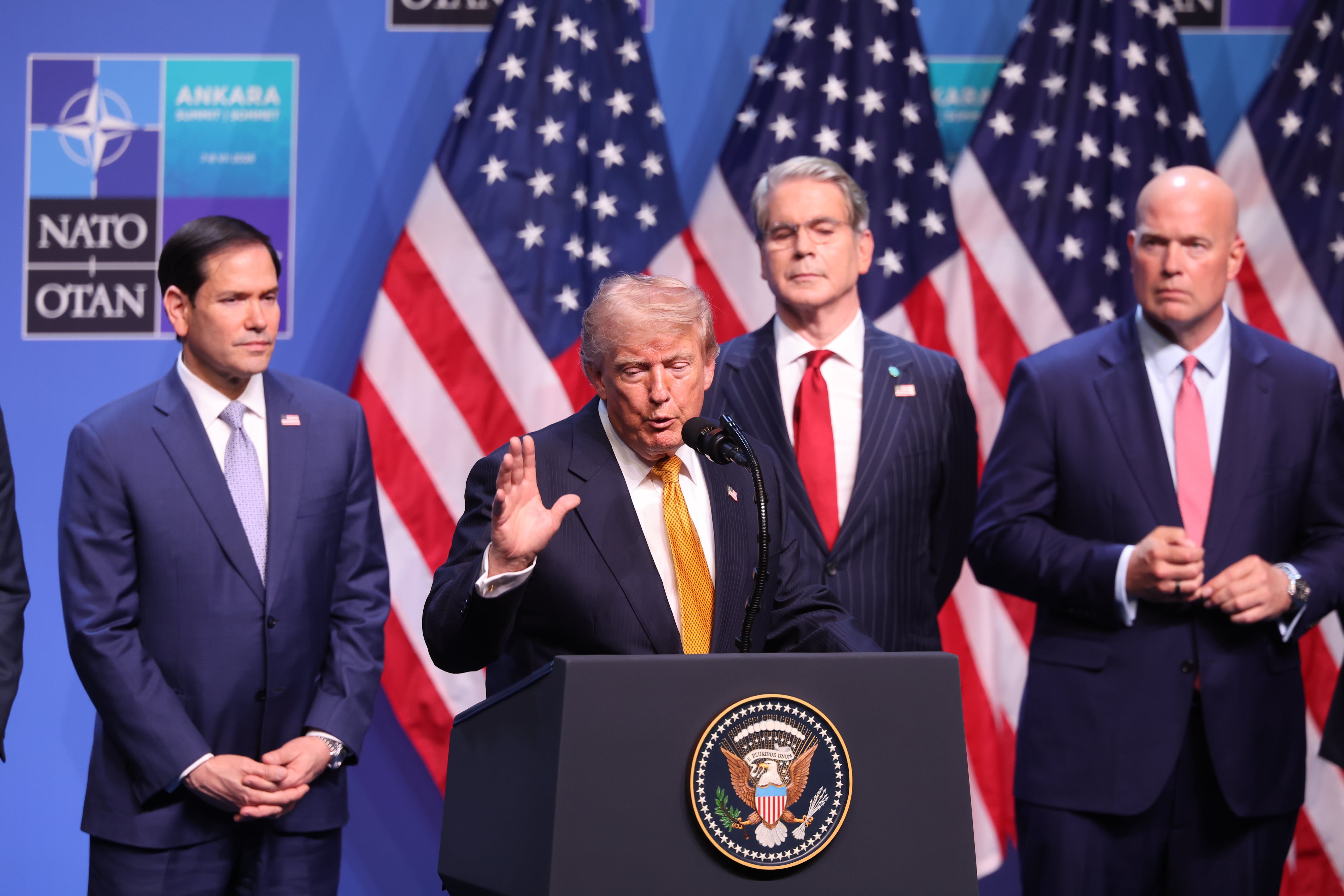
President Donald Trump threatened Spain with a trade embargo on Wednesday, accusing the country of being a "lost cause" and a "terrible partner" in NATO. Just hours later, after Spain reportedly committed to a significant payment, Trump declared that Spain had "fully redeemed itself." The rapid shift highlights Trump's volatile approach to foreign relations and the pressure he is putting on NATO allies to increase military spending.
Main Impact
The main development is Trump's threat to cut all commercial ties with Spain, including trade and visits, due to Spain's delay in raising military spending and its refusal to allow U.S. aircraft involved in the Iran war to use Spanish bases in Rota and Morón. This threat was followed by a sudden reversal after Spain agreed to a payment, showing how quickly Trump's stance can change based on financial commitments.
Key Details
What Happened
On Wednesday, Trump launched a verbal attack on Spain, calling it a "lost cause" and ordering a halt to all bilateral trade. He said Spain is a "terrible partner" in NATO and that he wanted to cut off all commerce, including visits. However, hours later, after Spain committed to a major payment, Trump said Spain had "fully redeemed itself."
Important Numbers and Facts
The exact amount of the payment has not been disclosed, but it is described as "important." The dispute centers on Spain's failure to meet NATO's target of spending 2% of its GDP on defense. Spain also refused to allow U.S. aircraft to refuel at the joint bases in Rota and Morón, Cádiz, for operations related to the Iran war.
Background and Context
This is not the first time Trump has criticized Spain. He has repeatedly pressured NATO allies to increase their defense spending. Spain has been slow to meet the 2% target, which has been a point of tension. The refusal to allow base use for the Iran war added to the friction. Trump's threats are part of a broader strategy to push allies to comply with U.S. demands on defense and foreign policy.
Public or Industry Reaction
The Spanish government has not officially commented on the payment commitment. However, the sudden shift from a trade embargo to praise has drawn attention from international media. Analysts note that Trump's approach creates uncertainty for businesses and diplomatic relations. Some Spanish officials have expressed concern about the volatility of U.S. policy under Trump.
What This Means Going Forward
This incident shows that Trump is willing to use extreme measures, such as trade embargoes, to force NATO allies to meet his demands. It also shows that financial commitments can quickly defuse tensions. For Spain, the payment may provide short-term relief, but the underlying issues of defense spending and base use remain unresolved. Other NATO members may face similar pressure in the future.
Final Take
Trump's rapid shift from threatening a trade embargo to praising Spain highlights his transactional approach to foreign policy. While the immediate crisis is over, the incident underscores the fragility of U.S.-Spain relations and the broader challenges within NATO. Allies must be prepared for sudden demands and quick reversals.
Frequently Asked Questions
Why did Trump threaten Spain with a trade embargo?
Trump threatened Spain because it delayed increasing military spending to NATO's 2% target and refused to let U.S. aircraft use Spanish bases for the Iran war.
What did Spain do to change Trump's mind?
Spain committed to an important payment, though the exact amount has not been disclosed. This led Trump to say Spain had "fully redeemed itself."
What does this mean for other NATO countries?
Other NATO members may face similar pressure from Trump to increase defense spending or face trade consequences. The incident shows that Trump is willing to use economic threats to enforce his demands.