Summary
A major attempt at peace talks between the United States and Iran has failed before it could begin. President Donald Trump announced the cancellation of a high-level diplomatic trip to Pakistan after the Iranian representative left the country early. This sudden move stops a planned meeting that many hoped would lower the heat in the ongoing conflict involving the U.S., Israel, and Iran. The breakdown shows how hard it is for both sides to agree on even the basic steps of meeting in person.
Main Impact
The main result of this failed meeting is a total stop in direct talks. By leaving Pakistan before the American team arrived, Iran sent a clear message that it is not ready to accept the current terms offered by the U.S. government. This makes the situation in the Middle East more dangerous because without talking, the risk of more fighting increases. It also puts Pakistan in a difficult spot, as it was trying to act as a bridge between the two enemies.
Key Details
What Happened
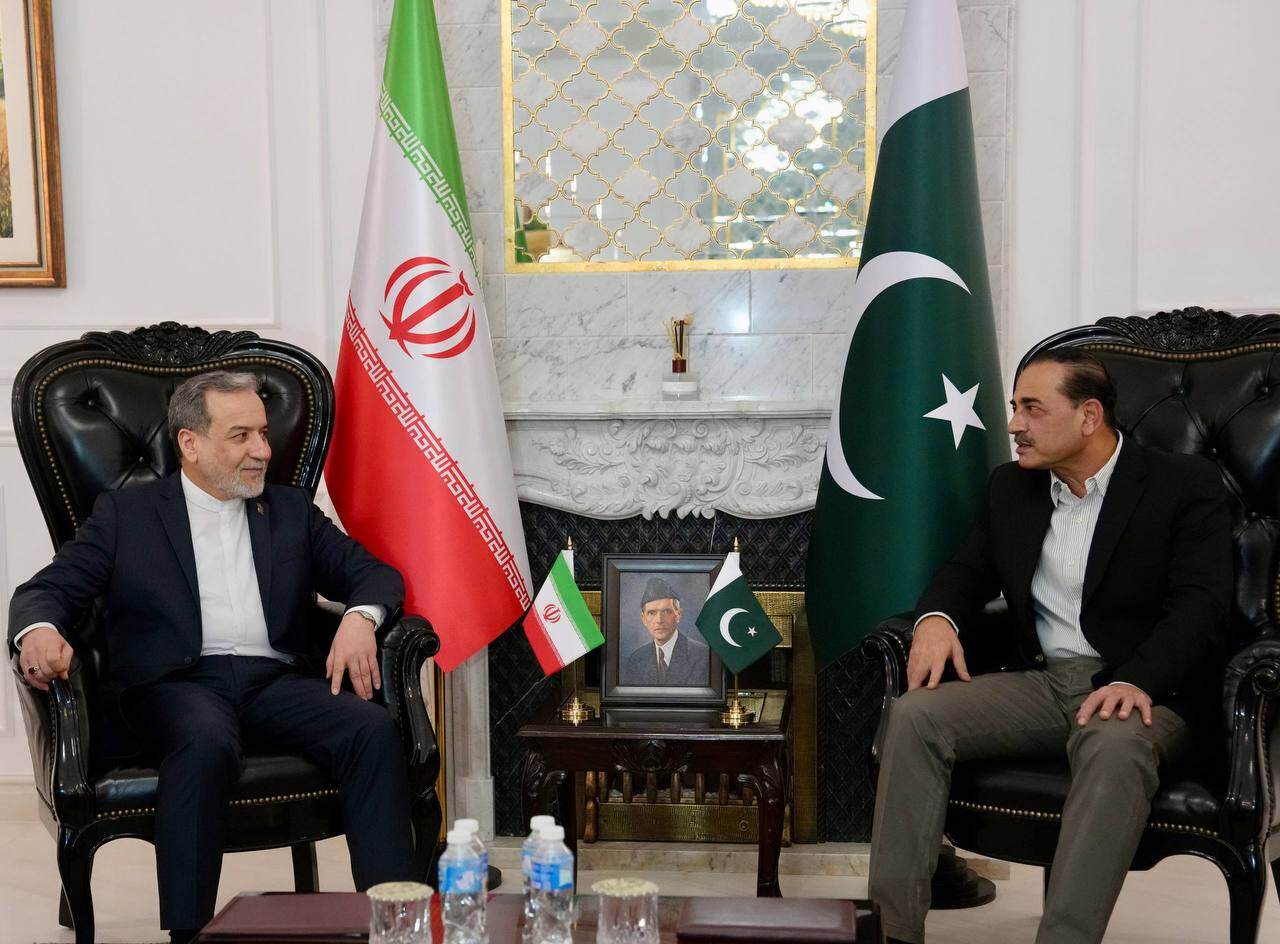
The U.S. government had planned to send a special team to Islamabad, the capital of Pakistan. This team included Steve Witkoff and Jared Kushner, two men who have worked closely with President Trump on Middle East issues before. They were supposed to meet with Iranian officials to talk about ending the current war. However, Iranian Foreign Minister Abbas Araqchi left Pakistan just as the Americans were about to arrive. President Trump then spoke to Fox News and said the trip was officially off because the Iranians would not stay to talk.
Important Numbers and Facts
The events took place on April 25, 2026. The U.S. delegation was confirmed only one day earlier by White House spokesperson Karoline Leavitt. Before he left, Abbas Araqchi met with the head of the Pakistan Army. During that meeting, he shared a list of demands that Iran wants met before they will agree to any peace deal. He also said that Iran has major problems with the things the U.S. is asking for. This shows that the two countries are still very far apart on what a fair deal looks like.
Background and Context
To understand why this matters, we have to look at the long history of bad feelings between the U.S. and Iran. For years, these two countries have fought over many things, including nuclear power and influence in the Middle East. Recently, this has turned into a direct conflict involving Israel as well. The U.S. supports Israel, while Iran supports groups that fight against Israel. This has led to a war that has cost many lives and hurt the global economy.
Pakistan was chosen as the place for these talks because it has a working relationship with both sides. It is one of the few places where officials from Washington and Tehran can meet on neutral ground. Jared Kushner, who was part of the U.S. team, was a key player in past peace deals in the region, which is why his involvement was seen as a sign that the U.S. was serious about a new agreement.
Public or Industry Reaction
The reaction to this news has been one of disappointment. Many world leaders were hoping that this meeting would be the first step toward a ceasefire. When the news broke that the trip was canceled, oil prices saw a small jump because investors worry that the war will continue or get worse. In the U.S., some people think the government should have been more careful about announcing the trip before it was 100% certain. In Iran, the government is framing the move as a refusal to be bullied by American pressure.
What This Means Going Forward
Since the talks failed, we can expect both sides to return to more aggressive actions. The U.S. will likely keep using economic punishments, known as sanctions, to try and force Iran back to the table. Iran may respond by increasing its military activities or its nuclear program. The next few weeks will be very important. Other countries, like Qatar or Oman, might try to start their own talks, but the failure in Pakistan makes everyone more nervous about trying again soon.
Final Take
Peace cannot happen if the two sides refuse to stay in the same room. The fact that the Iranian Foreign Minister left before the U.S. team arrived shows a deep lack of trust. Until both nations feel they have something to gain from talking, the cycle of threats and fighting is likely to continue. This missed chance in Pakistan is a reminder of how fragile peace efforts can be in a world filled with long-standing anger.
Frequently Asked Questions
Why did the U.S. cancel the trip to Pakistan?
President Trump canceled the trip because the Iranian Foreign Minister, Abbas Araqchi, left Pakistan before the U.S. envoys arrived, making the meeting impossible.
Who were the U.S. representatives for the talks?
The U.S. team included Jared Kushner and Steve Witkoff, both of whom are special envoys chosen by the Trump administration to handle peace talks.
What is Pakistan's role in this conflict?
Pakistan acts as a neutral host for talks. It tries to help the U.S. and Iran communicate because it has diplomatic ties with both countries.