
Summary
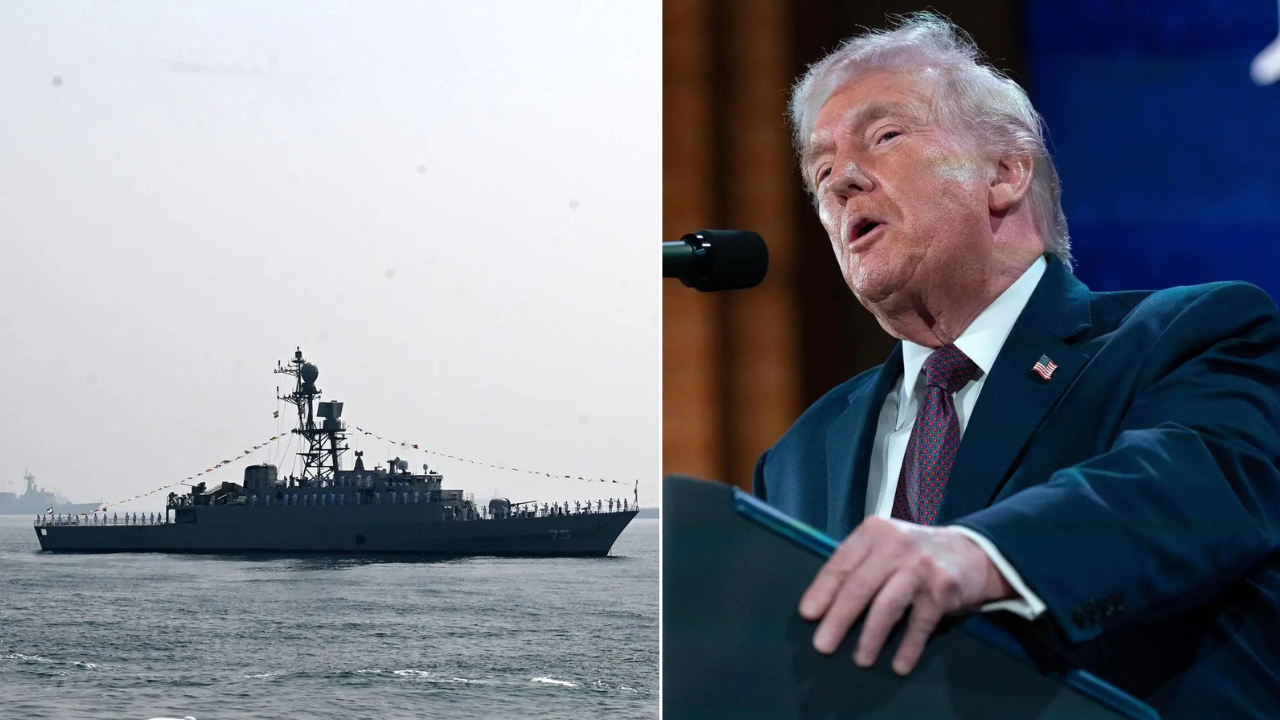
The United States military has announced a total blockade of all Iranian ports in the Persian Gulf. This major move is set to begin on Monday at 1400 GMT and follows the collapse of diplomatic talks in Islamabad. While ships going to Iran will be stopped, the US has stated that other vessels will still be allowed to pass through the Strait of Hormuz. This decision marks a sharp increase in tension between the two nations over nuclear disagreements.
Main Impact
The primary impact of this blockade is the total isolation of Iran’s sea trade. By stopping all ships from entering or leaving Iranian ports, the US is cutting off the country’s main way to sell oil and buy goods. This will likely cause immediate economic stress within Iran. At the same time, the global shipping industry is on high alert. Even though the Strait of Hormuz remains open for other countries, the presence of a military blockade creates a high risk of accidents or conflict that could drive up the price of oil worldwide.
Key Details
What Happened
The US government decided to take military action after high-level meetings in Islamabad failed to produce a new nuclear agreement. According to official reports, the talks ended because the two sides could not agree on the terms of Iran’s nuclear program. Following the failure of these talks, the US military received orders to prevent any maritime traffic from reaching Iranian shores. This is a physical enforcement of sanctions that were previously mostly financial.
Important Numbers and Facts
The blockade is scheduled to start exactly at 1400 GMT on Monday. This gives shipping companies very little time to move their vessels out of the area. President Trump has been vocal about the situation, accusing the Iranian government of "WORLD EXTORTION." He claims that Iran went back on promises they had made earlier in the negotiation process. The US Navy will be the primary force used to monitor the waters and turn back any ships that try to head toward Iranian docks.
Background and Context
For a long time, the US and Iran have been in a dispute over nuclear energy and weapons. The US and its allies want to make sure Iran does not build a nuclear bomb. Iran has often said its nuclear program is for peaceful reasons, like making electricity. Over the years, many deals have been made and then broken. The recent meetings in Islamabad were seen as a last chance to fix the problem through talking. When those talks failed, the US moved from using words and bank rules to using its navy to stop trade directly. This is one of the most serious steps a country can take before a full war begins.
Public or Industry Reaction
The reaction from the global community has been a mix of support and deep concern. Some leaders believe that strong action is the only way to make Iran follow international rules. However, many experts in the shipping industry are worried about the safety of their crews. If Iran decides to fight back against the blockade, the entire Persian Gulf could become a war zone. Oil markets have already started to react, with prices jumping as soon as the news was announced. Many people are also worried about the civilians in Iran, as a blockade can make it hard for food and medicine to get into the country.
What This Means Going Forward
The next few days will be a major test for both countries. The world is waiting to see how Iran will respond when the first ships are stopped on Monday. If Iran tries to use its own military to push through the blockade, it could lead to a direct battle. There is also the question of how other powerful countries, like China and Russia, will react. They do a lot of business with Iran and may not want to follow the US blockade. If they try to send ships to Iran anyway, the US will have to decide if it is willing to stop them by force, which could lead to an even bigger international problem.
Final Take
This blockade is a bold and risky move by the United States. It shows that the government is no longer willing to wait for diplomacy to work. While the goal is to force Iran to change its nuclear plans, the move carries the danger of starting a much larger conflict. The safety of global energy supplies and the stability of the Middle East now depend on what happens in the waters of the Gulf over the coming week.
Frequently Asked Questions
What is a maritime blockade?
A maritime blockade is when a country uses its navy to stop ships from entering or leaving another country's ports. It is a way to stop all trade by sea.
Can other ships still use the Strait of Hormuz?
Yes. The US has said that ships not going to Iran can still pass through the Strait of Hormuz. This is to keep global trade moving for other countries in the region.
Why did the US start this blockade now?
The blockade was started because nuclear talks in Islamabad failed. The US claims Iran did not keep its promises and is using its nuclear program to threaten other countries.

