Summary
A United States airman has been successfully rescued from a remote and dangerous part of Iran after his aircraft went down during a routine mission. The rescue mission was a high-stakes operation that required perfect timing and coordination between several government agencies. This successful recovery brings an end to a tense 48-hour period that could have led to a major international crisis. The airman is currently receiving medical care at a US military base and is reported to be in stable condition.
Main Impact
The primary impact of this rescue is the prevention of a long-term hostage situation. If the airman had been captured by local forces or the Iranian government, it would have created a massive diplomatic problem for the United States. By moving quickly, the US military showed its ability to operate in areas where it is not welcome. This mission also proves that modern tracking and rescue technology can work even in the most difficult environments on earth.
Key Details
What Happened
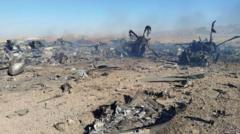
The incident began when a US Air Force jet experienced a major mechanical failure while flying near the border. The pilot was forced to eject, landing in a rugged, mountainous area far from any friendly bases. As soon as the pilot hit the ground, he activated a small emergency beacon. This signal was picked up by satellites, which alerted commanders at the Pentagon. For the next two days, the airman had to hide in caves and rocky terrain to avoid being seen by local patrols while rescue teams planned their move.
Important Numbers and Facts
The rescue mission involved over 100 people working behind the scenes. Two stealth helicopters were used to fly deep into Iranian territory under the cover of darkness. These helicopters flew at very low altitudes to stay hidden from radar. The entire ground operation took less than 20 minutes from the moment the helicopters landed to the moment they took off again with the airman on board. Officials say the airman was located approximately 150 miles inside the border, making this one of the deepest rescue missions in recent history.
Background and Context
The relationship between the United States and Iran has been difficult for many years. Because there are no formal diplomatic ties between the two countries, a pilot landing in Iranian territory is a worst-case scenario. In the past, similar incidents have led to years of negotiations or even conflict. The area where the airman landed is known for its harsh weather and very steep mountains, which made it hard for anyone to find him quickly. The US government had to act fast before local search teams could find the crash site.
Public or Industry Reaction
The White House released a short statement praising the bravery of the rescue teams and the pilot. Military experts have noted that the success of this mission was likely due to new stealth technology that allows helicopters to fly without being detected by older radar systems. While the Iranian government has not made an official comment yet, local news reports in the region mentioned seeing "unidentified aircraft" in the sky late at night. Families of military members have expressed huge relief on social media, highlighting the dangers that pilots face every day.
What This Means Going Forward
In the coming weeks, the military will conduct a full investigation into why the aircraft failed in the first place. This could lead to the grounding of other planes if a design flaw is found. On the political side, this event might increase tensions in the region. The US will likely keep a closer eye on its flight paths to make sure pilots stay further away from hostile borders. There is also the risk that Iran will increase its air defense systems in response to this secret mission, making future rescues even harder to pull off.
Final Take
This rescue is a reminder of the incredible skill and technology used by the US military to protect its people. While the mission was a success, it shows how quickly a routine flight can turn into a life-or-death situation. The fact that the airman is safe is a win for the government, but the event also highlights the thin line between a successful rescue and a global conflict. Moving forward, the focus will be on learning from this event to prevent similar accidents from happening again.
Frequently Asked Questions
How was the airman found so quickly?
The airman used a high-tech emergency beacon that sends a coded signal to satellites. This allowed the military to see his exact location within minutes of him landing on the ground.
Was there any fighting during the rescue?
Reports indicate that the rescue was completed without any shots being fired. The goal was to get in and out as quietly as possible to avoid a battle with local forces.
What happens to the crashed airplane?
In most cases, the military will use a remote strike to destroy the remains of the crashed plane. This prevents sensitive technology from falling into the hands of other countries.