
Summary
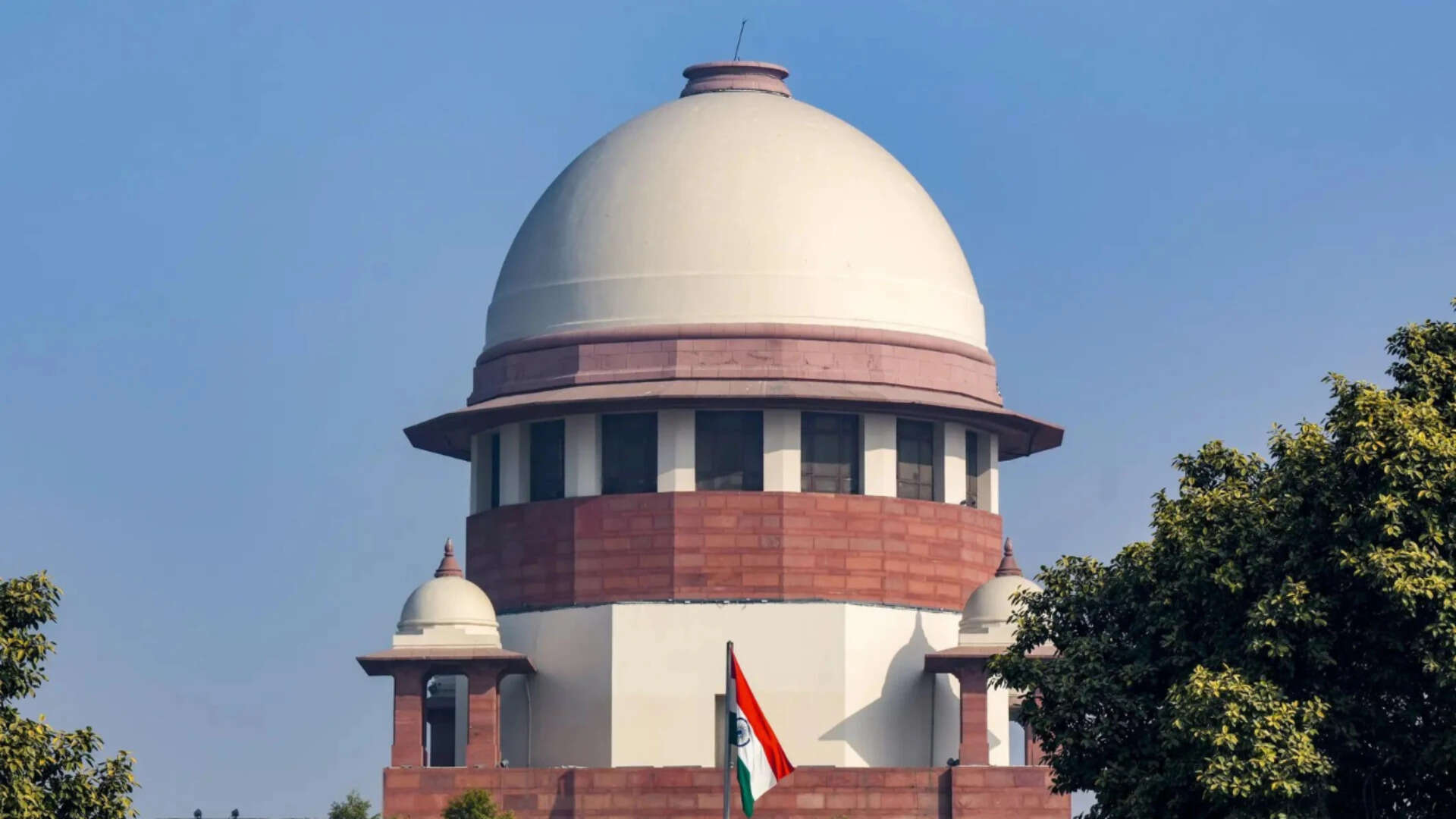
The Supreme Court of India has clarified that the Uniform Civil Code (UCC) is a goal set by the country’s Constitution and is not tied to any specific religion. The court described the enactment of the UCC as a "constitutional ambition" that aims to bring all citizens under a single set of secular laws. This statement highlights that the move toward a common law for personal matters is about national unity and legal consistency rather than religious interference. By separating faith from civil law, the court hopes to ensure that every citizen is treated equally regardless of their religious background.
Main Impact
This observation by the highest court in the land has a significant impact on how laws are made and understood in India. For decades, the debate over a common law has been seen through a religious lens, often leading to tension between different communities. The court’s clarification shifts the focus from religious identity to constitutional duty. It gives the government a stronger legal foundation to move forward with creating uniform rules for marriage, divorce, and property rights. This change is expected to simplify the legal process and provide better protection for individuals who may be treated unfairly under current religious personal laws.
Key Details
What Happened
During recent legal proceedings, the Supreme Court discussed the importance of Article 44 of the Indian Constitution. The judges pointed out that the founders of the nation intended for India to eventually have a Uniform Civil Code. They explained that while people have the right to follow their religion, civil matters like how property is divided or how a divorce is handled should be governed by the state. The court noted that having different laws for different groups can lead to confusion and inequality, especially for women and children who might not get the same rights in every community.
Important Numbers and Facts
The discussion centers on Article 44, which is part of the Directive Principles of State Policy. These principles are guidelines for the government to follow when making laws. Although these guidelines were written over 70 years ago, a national UCC has not yet been passed. Currently, India has several different sets of personal laws, such as the Hindu Marriage Act and various Muslim personal laws. The court’s statement serves as a reminder that the Constitution views a single law for all as a necessary step for the country's progress. Recent data shows that several states are already looking into their own versions of these laws to address local needs.
Background and Context
To understand why this matters, it is important to know how laws work in India today. There are two main types of laws: criminal laws and civil laws. Criminal laws, which deal with crimes like theft or violence, are already the same for everyone. However, civil laws—specifically "personal laws"—are different based on a person's religion. This system was mostly kept in place after India became independent to respect the traditions of different groups. Over time, many people have argued that these separate laws create gaps in justice. For example, a woman from one religion might have fewer rights to inherit her parents' house than a woman from another religion. The Supreme Court has often stepped in to fix these gaps, and this latest statement is part of a long history of the court pushing for more fairness through a common code.
Public or Industry Reaction
The reaction to the court's statement has been a mix of support and concern. Many legal experts and women's rights groups have welcomed the news. They argue that a common law is the only way to ensure that everyone is truly equal before the law. They believe that personal laws are often outdated and do not match modern values of fairness. On the other hand, some religious leaders and community groups have expressed worry. They fear that a uniform code might ignore the unique customs that have been part of their culture for centuries. Some political groups have also called for more discussions, suggesting that the government should talk to all communities before making any big changes to ensure that no one feels left out.
What This Means Going Forward
Looking ahead, the Supreme Court’s stance will likely encourage the central government to speed up the drafting of a national Uniform Civil Code. We may see more debates in Parliament as lawmakers try to figure out what a single law should look like. It is a difficult task because the law must be fair to everyone while also being sensitive to India's diverse culture. There will likely be more court cases as people challenge specific parts of any new law. The government will need to focus on making the law simple and clear so that every citizen understands their rights. The goal will be to create a system where the law of the land is the same for every person, no matter where they worship or what they believe.
Final Take
The Supreme Court has made it clear that the Uniform Civil Code is a matter of law and equality, not a matter of faith. By calling it a constitutional ambition, the court is reminding the nation that the goal of a fair and unified legal system was set by the country's founders. While the path to a common law is filled with challenges, the focus remains on protecting the rights of every individual. Moving toward a single code is about making sure that justice is not determined by a person's religion, but by their status as a citizen of a modern and equal society.
Frequently Asked Questions
What is the Uniform Civil Code (UCC)?
The UCC is a proposed set of laws that would replace different religious personal laws with one single law for all citizens. It covers topics like marriage, divorce, inheritance, and adoption.
Does the UCC take away religious freedom?
No, the Supreme Court has stated that the UCC is about civil laws, not religious practices. People would still be free to follow their faith and worship as they choose.
Why is the Supreme Court calling it a "constitutional ambition"?
The court uses this phrase because Article 44 of the Constitution specifically asks the government to work toward a common law for all citizens to ensure equality and unity.



