
Summary
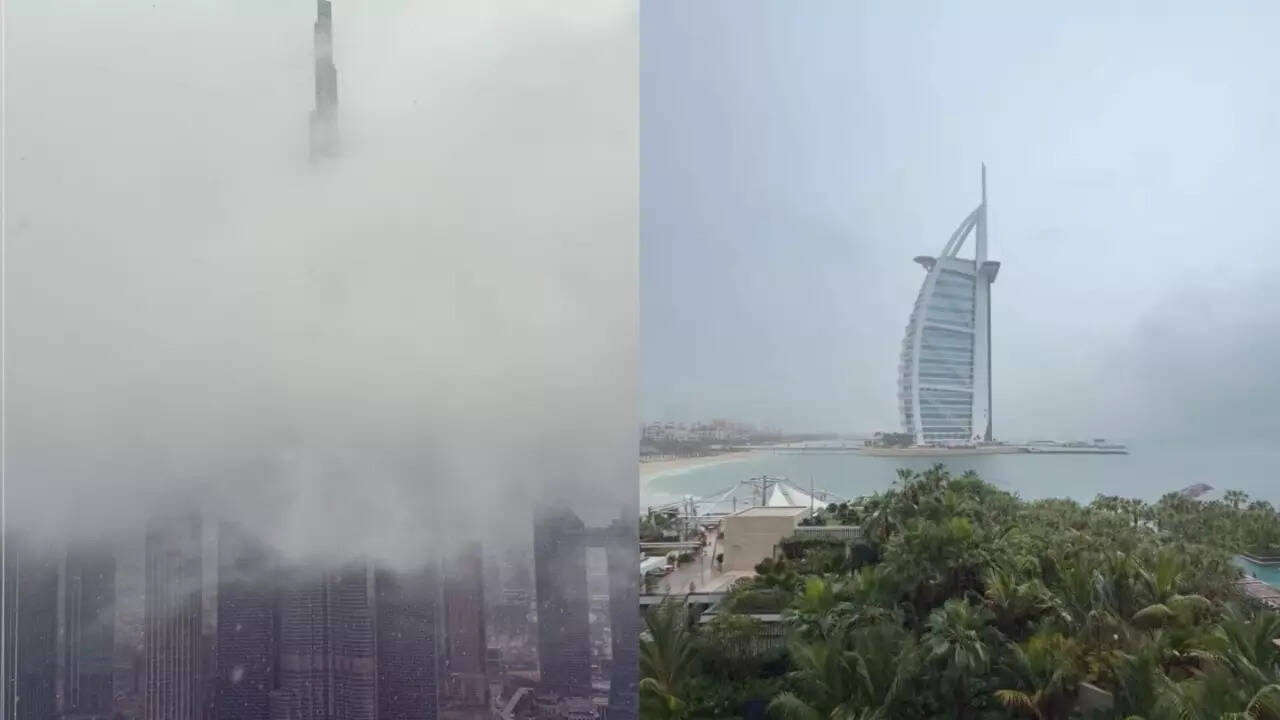
The United Arab Emirates is currently experiencing a period of unusual spring weather that has brought heavy rain and thunderstorms to the region. Major cities, including Dubai and Abu Dhabi, have seen dark skies and strong winds as a low-pressure system moves across the country. This change in weather has caused some disruptions to daily life and travel, but it has also provided a break from the usual heat. Forecasters expect the rain to continue for a short time before the typical dry spring weather returns.
Main Impact
The most immediate impact of these storms has been felt on the roads and at the airports. In cities like Dubai, heavy rain can lead to water gathering on the streets, which makes driving difficult and slows down traffic. Some flights have faced delays as pilots and ground crews wait for the wind and rain to pass. For a country that is mostly dry, these sudden downpours require everyone to change their plans quickly. Outdoor events have been moved inside or rescheduled, and many people have chosen to stay home to avoid the wet conditions.
Key Details
What Happened
Over the last few days, the weather across the UAE shifted from sunny and warm to cloudy and wet. This was caused by a low-pressure system coming from the west. This system brought moist air into the desert environment, leading to the formation of large storm clouds. Residents reported hearing loud thunder and seeing lightning across the skyline. In some areas, the wind was strong enough to move light outdoor furniture and blow sand across the highways, reducing visibility for drivers.
Important Numbers and Facts
The National Center of Meteorology (NCM) has been tracking the storm closely. While rainfall amounts vary by location, some areas have seen more rain in a single day than they usually see in several months. Temperatures have also dropped significantly during the storms, falling from the low 30s to the low 20s in degrees Celsius. The NCM issued several weather alerts to warn the public about the unstable conditions. These alerts help people stay safe by telling them which areas to avoid, such as valleys where water can rise very quickly.
Background and Context
Rain in the UAE is most common during the winter months, specifically between December and February. Seeing heavy rain in late March is less common but not impossible. This time of year is often called the "Al Sarayat" season, which is known for sudden and strong storms that happen during the transition from winter to summer. These storms are usually short but can be very intense. The UAE government has invested heavily in infrastructure to handle rain, including drainage systems and cloud seeding technology, but natural storms of this size still present challenges for the desert landscape.
Public or Industry Reaction
The reaction from the public has been a mix of excitement and caution. Many residents enjoy the rain because it is a rare sight and makes the air feel fresh and cool. Social media has been filled with videos of the rain falling over famous landmarks like the Burj Khalifa. On the other hand, the business community has had to adapt. Delivery companies, which are very popular in the UAE, have sent out messages to customers warning of slower service. Construction sites have also paused work to ensure the safety of their workers during the high winds and slippery conditions.
What This Means Going Forward
According to the latest weather reports, the unstable weather is expected to last for another day or two. The rain will likely be intermittent, meaning it will stop and start throughout the day. By the end of the week, the low-pressure system should move out of the region, heading toward the east. Once it leaves, the sun will return, and temperatures will begin to climb again. This is a sign that the true heat of summer is not far away. Authorities continue to advise people to check official weather apps before traveling and to stay away from areas where water might collect.
Final Take
These spring storms are a reminder that even in a desert climate, nature can bring surprises. While the rain causes some temporary problems for travel and work, it also brings a welcome change to the environment. As the skies begin to clear later this week, the UAE will return to its usual sunny state, but the memory of these rare spring thunderstorms will remain with residents for a while.
Frequently Asked Questions
When will the rain stop in the UAE?
The current weather system is expected to clear up by the end of the week. Most forecasters believe that skies will be blue and sunny again within the next 48 to 72 hours.
Is it safe to drive during these storms?
It is best to avoid driving if the rain is very heavy. If you must drive, go slowly, keep a safe distance from other cars, and avoid roads that look flooded. Always follow the instructions given by the local police.
Why is it raining so much in the spring?
This is due to a low-pressure system that brought moist air into the region. It is part of a seasonal transition where the weather can become unstable as the temperatures start to rise for the summer.

